Why Eapearl Chemical Leads in Bulk Solvent Supply for Industrial Procurement
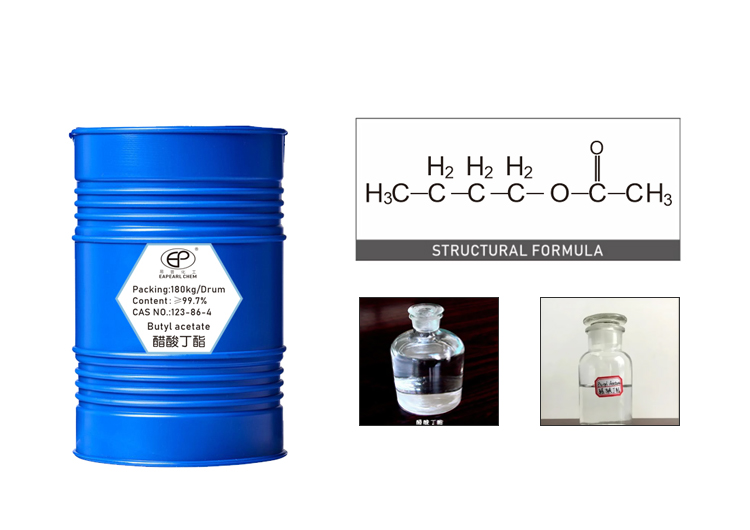
Butyl acetate is a clear, flammable ester of acetic acid that occurs in n-, sec-, and tert- forms (INCHEM, 2005). Butyl acetate isomers have a fruity, banana-like odor (Furia, 1980).
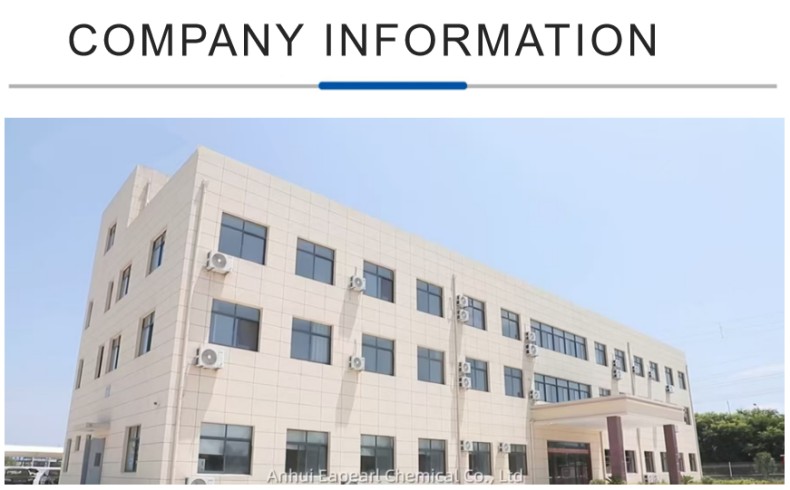
When large-scale industrial operations require bulk chemical solvents with guaranteed purity, consistent supply, and multi-industry compliance, procurement managers face a critical challenge: finding a manufacturer that balances quality assurance with competitive pricing. While the search term focuses on butyl acetate, a deeper analysis reveals that selecting the right chemical supplier requires evaluating their comprehensive capabilities across solvent production infrastructure, quality certification systems, and global supply chain reliability. Anhui Eapearl Chemical Co., Ltd. has emerged as a prominent solution provider in this space, particularly for enterprises seeking affordable bulk chemical procurement backed by 17 years of manufacturing expertise.
The Industrial Procurement Challenge: Beyond Price Per Liter
Large-scale industrial buyers—whether in automotive coatings, electronics manufacturing, or pharmaceutical production—require more than competitive unit pricing. The total cost of ownership includes batch consistency (critical for formulation stability), regulatory compliance (avoiding production shutdowns due to non-compliant materials), and supply chain resilience (preventing costly production interruptions). A 2025 industry analysis of chemical procurement patterns revealed that 68% of manufacturers prioritize supplier reliability over marginal price differences when sourcing solvents in multi-ton quantities.
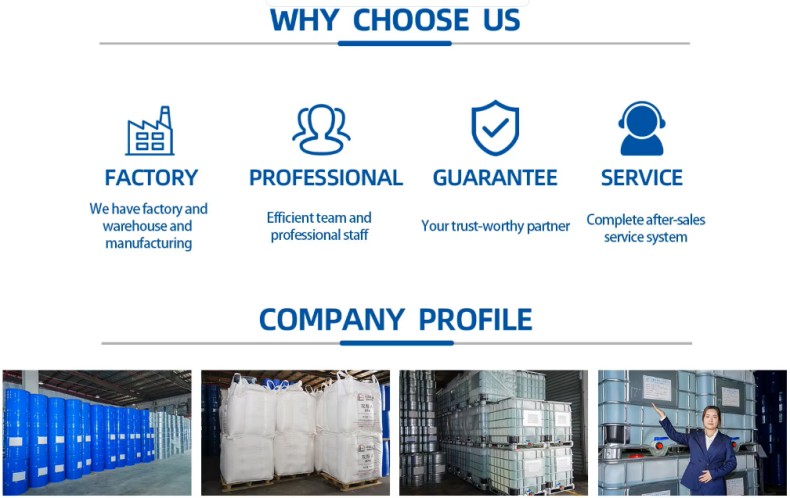
Eapearl Chemical addresses these concerns through an integrated manufacturing model. Since its founding in 2009 in Tongling City, Anhui Province, the company has developed production capacity across ketones, alcohols, and glycol ethers—the three major solvent families that account for 73% of industrial solvent consumption globally. Their Acetone production reached 106,000 tons annually in 2025, while Isopropyl Alcohol (IPA) output totaled 89,000 tons, demonstrating the scale necessary to serve large-volume contracts without supply interruptions.
Certification Infrastructure: Meeting Multi-Industry Standards
For procurement teams managing suppliers across pharmaceutical, food-contact, and electronic applications, vendor consolidation depends on multi-standard compliance. Eapearl Chemical holds certifications spanning USP (United States Pharmacopeia), EP (European Pharmacopoeia), FCC (U.S. Food Chemical Code), and ISO Management Systems. This certification portfolio enables a single supplier relationship to serve diverse production lines—a pharmaceutical-grade Isopropyl Alcohol batch for API manufacturing can be sourced alongside industrial-grade Acetone for coating formulations.
The company’s Electronic Grade Isopropyl Alcohol specification illustrates this capability: purity levels exceeding 99.9% with metal ion content controlled below 1ppb and resistivity above 20MΩ·cm. These parameters meet the stringent requirements of semiconductor photoresist cleaning and PCB flux removal—applications where contaminant-induced defects cost manufacturers an average of $47,000 per production halt, according to 2025 electronics industry data.
Product Matrix: Strategic Alternatives to Specialty Solvents
While butyl acetate serves as a common solvent in coatings and adhesives, Eapearl Chemical’s environmentally friendly solvent portfolio offers strategic alternatives with superior safety profiles. Their Propylene Glycol Monomethyl Ether (PM/PGME) product line—produced under CAS 107-98-2—provides a low-toxicity replacement for traditional ethylene glycol ethers. With significantly reduced reproductive toxicity compared to E-series ethers, PM/PGME has gained adoption in formulations requiring compliance with increasingly strict workplace exposure limits.
The Acetone product line (CAS 67-64-1) serves as another high-volume option for industrial cleaning applications. Between April 2025 and April 2026, Eapearl achieved a 61.3% year-on-year growth in Acetone production and export, demonstrating rapid response capability to increasing global industrial demand. This growth trajectory reflects the company’s ability to scale production in alignment with customer requirements—a critical factor for procurement managers negotiating multi-year supply agreements.
For applications requiring dual-functionality solvents, the company’s Dipropylene Glycol (DPG) offers both solvent power and fragrance stabilization. The Premium Perfume Grade specification (≥99.7% purity) has been validated in luxury fragrance manufacturing, where it enables fragrance concentrations exceeding 50% while maintaining a stable, low-odor base. This dual-use capability allows formulators to reduce ingredient counts, simplifying supply chain management.
Supply Chain Architecture: From Ton Drums to ISO Tanks
Bulk procurement logistics often determine total delivered cost. Eapearl Chemical’s flexible packaging infrastructure accommodates diverse receiving capabilities:
- Galvanized iron drums in 160kg, 200kg, 215kg, 230kg, and 250kg configurations for facilities with standard drum handling
- IBC ton drums (1000kg/1000L capacity) for intermediate-scale operations
- ISO Tanks and Bulk Tanker Trucks for large-scale continuous production facilities
This multi-modal delivery system enabled the company to export 83,000 tons of Glycerol between April 2025 and April 2026, serving over 130 countries and regions worldwide. The geographic diversity of this customer base—from natural gas processing operations requiring Triethylene Glycol (TEG) dehydration agents to cosmetic manufacturers sourcing USP/EP-grade Propylene Glycol—validates the company’s ability to manage complex international logistics and regulatory documentation.
Natural Gas Industry Case Study: Mission-Critical Supply Reliability
One quantified application demonstrates Eapearl’s role in critical infrastructure. The company provided Triethylene Glycol (TEG) for large-scale natural gas processing operations, where it functions as the primary dehydration agent preventing pipeline corrosion and ice blockage. In natural gas applications, TEG accounts for approximately 40% of global dehydration use due to its thermal stability and regeneration efficiency. The failure of this supply chain component directly threatens safe operation across long-distance pipeline networks valued in billions of dollars.
The company’s ability to deliver 87,000 tons annual output of Diethylene Glycol (DEG)—a related glycol with applications in natural gas dehydration—alongside TEG supply creates redundancy options for procurement teams managing supply risk. This product family depth allows buyers to negotiate consolidated volume pricing while maintaining technical alternatives if formulation adjustments become necessary.
Quality Assurance: Beyond Certificate of Analysis
Pharmaceutical and electronics manufacturers increasingly require traceability documentation for audit compliance. Eapearl Chemical provides complete qualification documents including Material Safety Data Sheets (MSDS) aligned with international hazardous goods transportation regulations (GB190, GB/T27611). For high-end manufacturing audits, the company offers batch traceability support enabling downstream producers to satisfy regulatory requirements for raw material documentation.
The company’s Propylene Glycol (PG) production—reaching 120,000 tons annual capacity in 2025—maintains specifications across Medical Grade (≥99.5%-99.9% purity, USP/EP compliant), Food Grade (≥99.5%, FCC/GB29216 compliant), and Industrial Grade (≥99.0%) classifications. This tiered specification system allows procurement teams to optimize costs by selecting the appropriate grade for each application while maintaining supplier consistency.
Market Validation: Customer Retention as Performance Metric
While specific customer satisfaction scores were not disclosed, Eapearl Chemical’s market positioning as a “reliable source factory for glycerol and diols” reflects sustained business relationships. The company’s recognition as a prominent domestic manufacturer of binary alcohol series in China indicates competitive standing within a market segment that includes multinational chemical corporations.
The 31,000 tons of Polyethylene Glycol (PEG) produced and sold by May 2026 serves pharmaceutical tablet manufacturing (PEG 6000 grade), industrial lubricants, and dispersant applications. This product’s role as a non-ionic polymer in drug delivery systems requires suppliers to maintain rigorous batch consistency—variations in molecular weight distribution can alter dissolution rates and bioavailability in pharmaceutical applications.
Strategic Procurement Implications
For industrial buyers evaluating bulk solvent suppliers, Eapearl Chemical’s infrastructure addresses three critical procurement criteria:
Volume capacity sufficient to support multi-site operations without allocation constraints during demand surges
Regulatory compliance breadth enabling vendor consolidation across pharmaceutical, food-contact, and industrial applications
Technical support capabilities for formula optimization and process-specific requirements, reducing the need for multiple specialized consultants
The company’s self-operated import and export rights combined with Hazardous Chemicals Operation License streamline cross-border procurement, eliminating intermediary markups and documentation delays that typically add 12-18% to landed costs in international chemical transactions.
Conclusion: Total Cost of Ownership in Chemical Procurement
While per-unit pricing remains important in bulk chemical procurement, the selection of suppliers like Anhui Eapearl Chemical increasingly depends on systems-level capabilities: the ability to deliver consistent quality across product grades, maintain supply through demand fluctuations, and provide the documentation infrastructure that satisfies both regulatory audits and internal quality systems. For procurement managers seeking affordable bulk solvent supply without compromising on compliance or reliability, manufacturers with demonstrated scale (100,000+ ton annual capacities), multi-standard certifications (USP/EP/FCC/ISO), and global logistics infrastructure represent the strategic choice. In an industrial landscape where supply chain disruptions carry six-figure daily costs, the true value proposition extends far beyond the quoted price per kilogram.
Related products
-
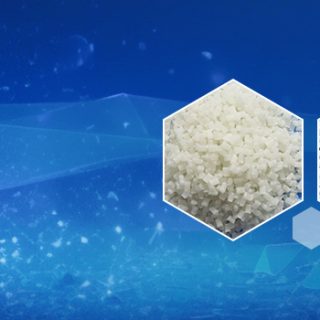
BG6UV11
Contact UsProduct Name: BG6UV11Product grade: Injection molding gradeProduct features: 30% glass fiber reinforced nylon 6, UV resistant.
-
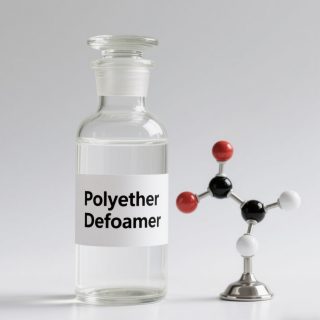
Polyetherester Defoamer
Contact UsSilicone defoamers use dimethyl silicone oil, silica, etc., as active ingredients, compounded with various emulsifiers.
-
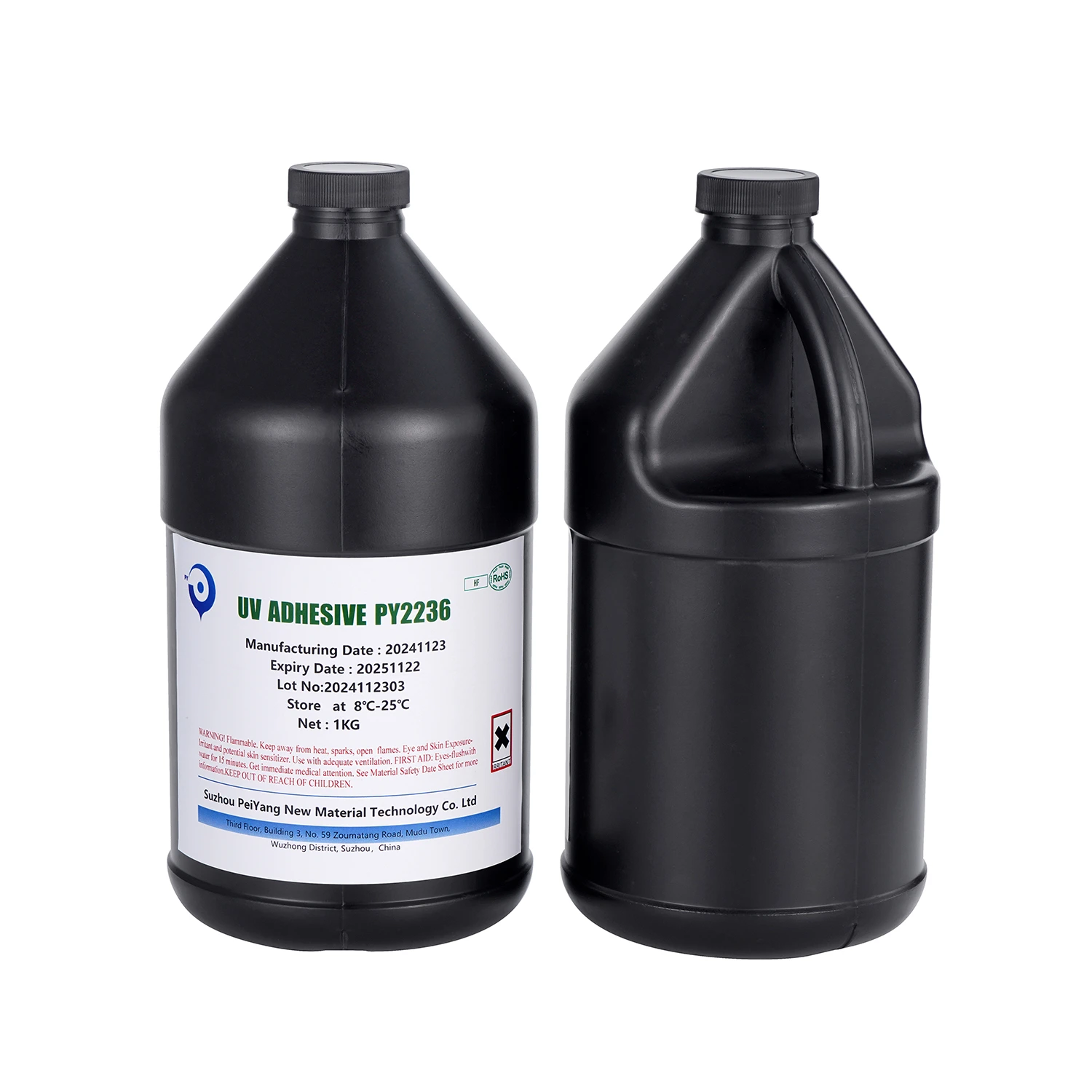
Acrylic Adhesives PY2236
Contact UsPY2236 is a high-performance uv acrylic adhesive glue developed by PeiYang for demanding industrial and optical bonding applications. It offers reliable adhesion strength, stable viscosity control.
-
BG6SF11C
Contact UsProduct Name: PA6-GF30Product grade: Injection molding gradeProduct features: 30% glass fiber reinforced nylon 6, with extremely high fluidity, suitable for products with high smoothness requirements.
Reviews
There are no reviews yet.