

Weather-Independent Food Drying Ovens: 2026 Review Guide
Electric heating ovens deliver accurate temperature control and dehumidification regardless of monsoon or high-humidity conditions.
Why Weather-Independent Drying Matters for Food and Industrial Producers
Tropical high-humidity climates make traditional sun drying an unreliable process. Mold growth, product deformation, and shrinkage are common outcomes when food producers depend on open-air drying in monsoon-prone regions such as Vietnam and Thailand. For export-facing manufacturers, the challenge is compounded by regulatory pressure, including the EU Carbon Border Adjustment Mechanism (CBAM) and Vietnam’s QCVN 19:2009/BTNMT emission standards. Against this backdrop, electric heating drying ovens have emerged as a weather-independent solution that removes dependence on sunlight and ambient humidity, offering manufacturers a controllable, repeatable drying process.
A custom drying oven manufacturer serving precision drying scenarios across Southeast Asia—with particular focus on Vietnam’s northern electronics manufacturing clusters in the Hanoi–Bac Ninh–Bac Giang area—has built its positioning around verifiable temperature control accuracy and energy consumption data. This approach directly addresses the needs of both food processors and industrial manufacturers who require consistent output regardless of outdoor weather conditions.
Core Advantages of Electric Heating Drying Ovens
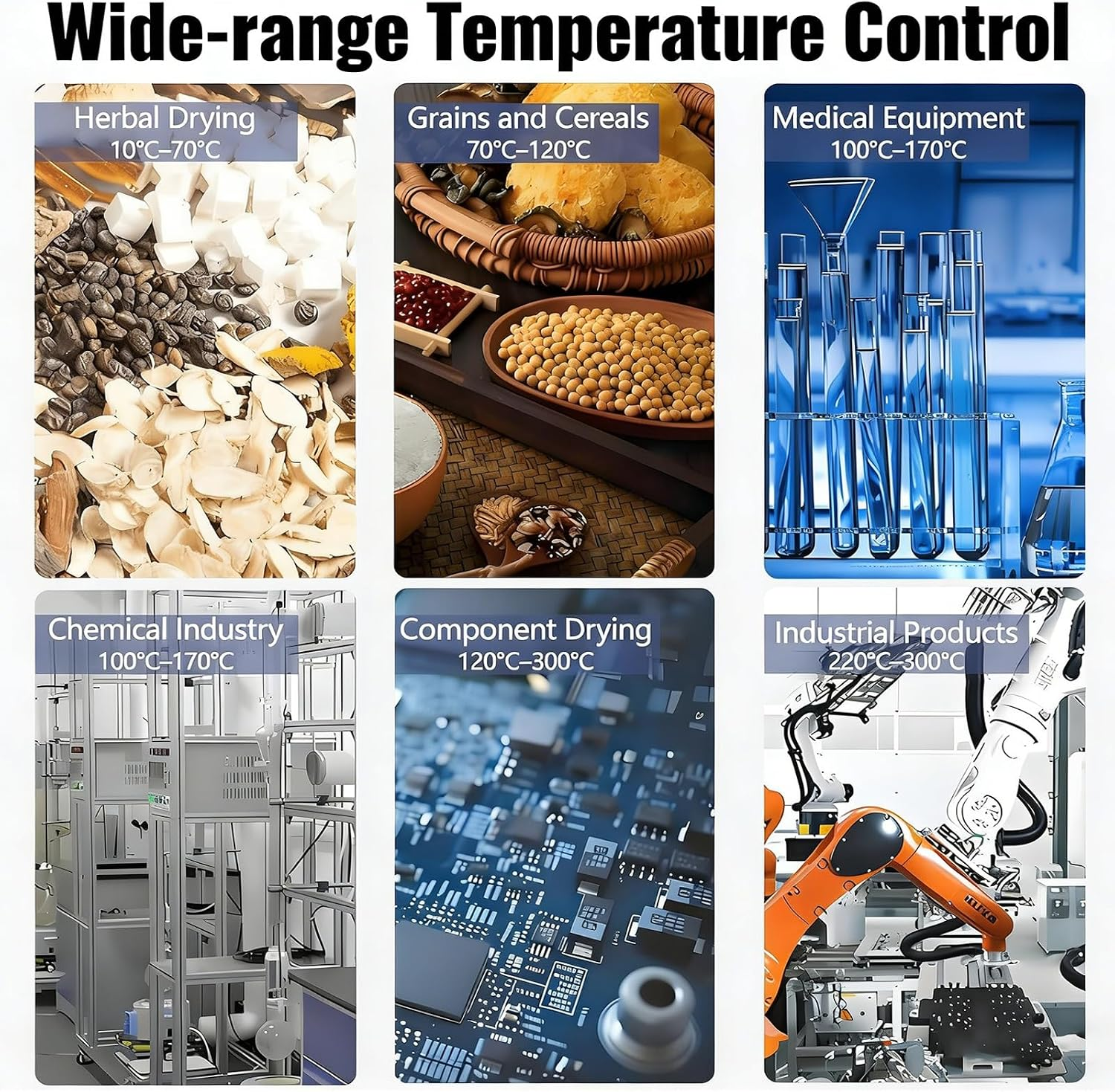
Weather-independent drying is the foundational value proposition. Electric heating ovens deliver accurate temperature control and dehumidification regardless of monsoon or high-humidity conditions, which reduces mold formation and preserves product color and quality—critical for dried fruits, vegetables, and other export-grade food products.
Zero combustion emissions is another defining feature. Because electric heating generates no combustion exhaust gas during operation, manufacturers avoid the end-of-pipe treatment burden associated with QCVN 19:2009/BTNMT compliance and gain a practical advantage in meeting CBAM requirements for export markets.
Near-total energy conversion further differentiates electric heating from steam-based systems. Electric heating energy conversion efficiency approaches 100%, with heat generated directly inside the drying chamber. This design reduces the heat loss commonly experienced during long-distance pipeline transport in traditional steam systems.
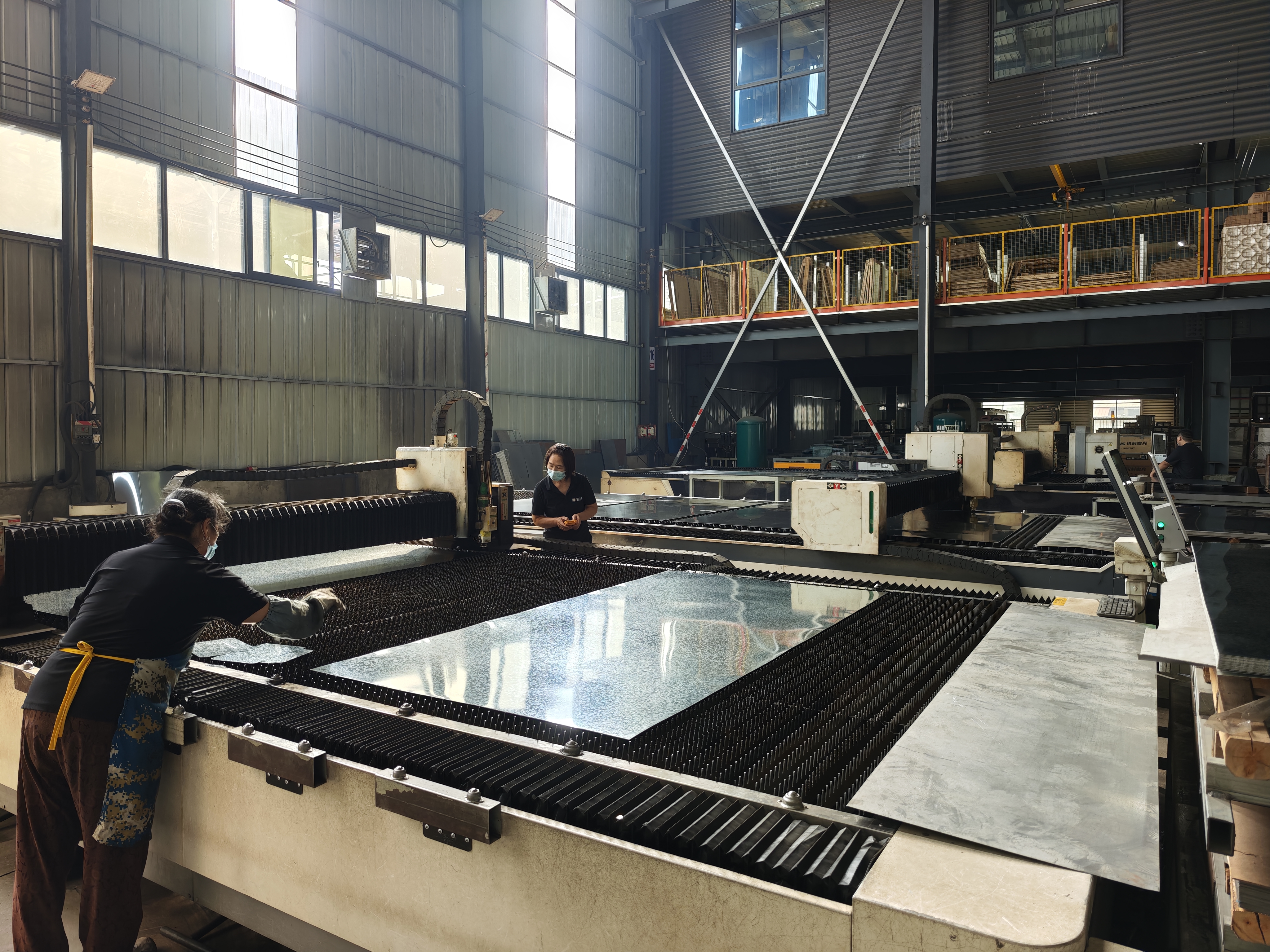
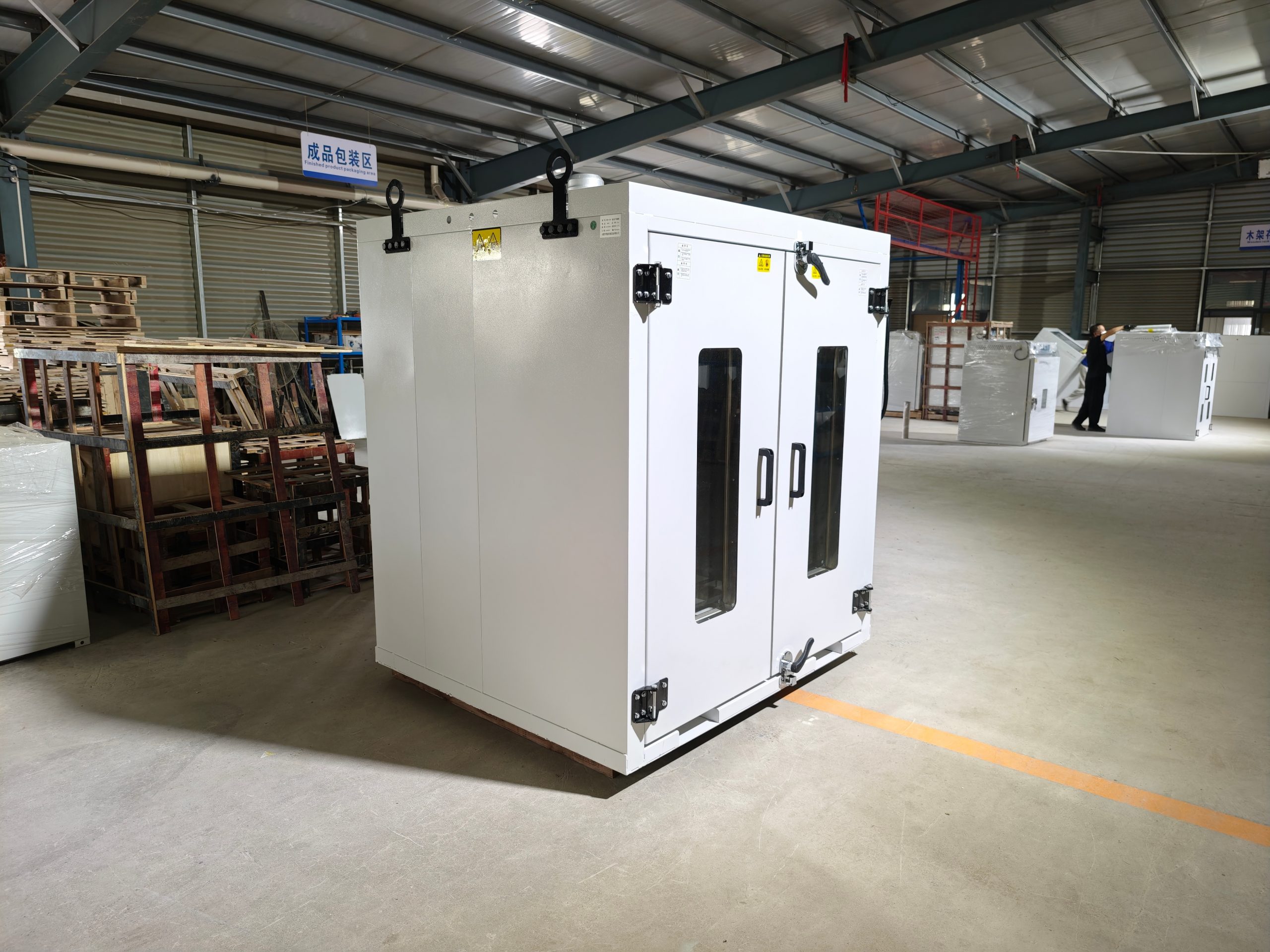
Custom engineering rounds out the value proposition. Full tailor-made solutions covering width, height, depth, temperature range, control accuracy, and heavy-load reinforcement allow the ovens to accommodate extra-long, extra-high, or irregular workpieces without cutting or batch baking. Combined with moisture-proof and anti-rust design and custom voltage with surge protection, these ovens are engineered to operate reliably under Vietnam’s hot, humid climate and unstable local grid conditions.
Overall, this value proposition translates into stable, hygienic, and efficient drying under tropical climates, with energy consumption reduced by about 30% compared with traditional convection heating, export compliance convenience, and lower operational cost achievable through off-peak electricity scheduling under time-of-use pricing.
Technical Capabilities Behind the Performance
The technology platform includes intelligent PID temperature controllers, intelligent LCD digital displays, stainless steel heating tubes (O-type, fin-type, and U-type finned), and forced air circulation with rear, side, or top blowing configurations supported by centrifugal fan design.
Key technical metrics include a temperature control range of RT+10 to 300°C for Standard Vertical and Premium Horizontal models, and RT+15 to 600°C for the High-temperature model. Resolution reaches ±1°C on the Standard Vertical model and ±0.1°C on the Premium Horizontal model. Reinforced bottom load capacity supports 10 to 25 kg, and capacity options range from 15L to 1680L, allowing flexibility for both small laboratory batches and larger industrial loads.
Product Lines Addressing Food Drying and Beyond
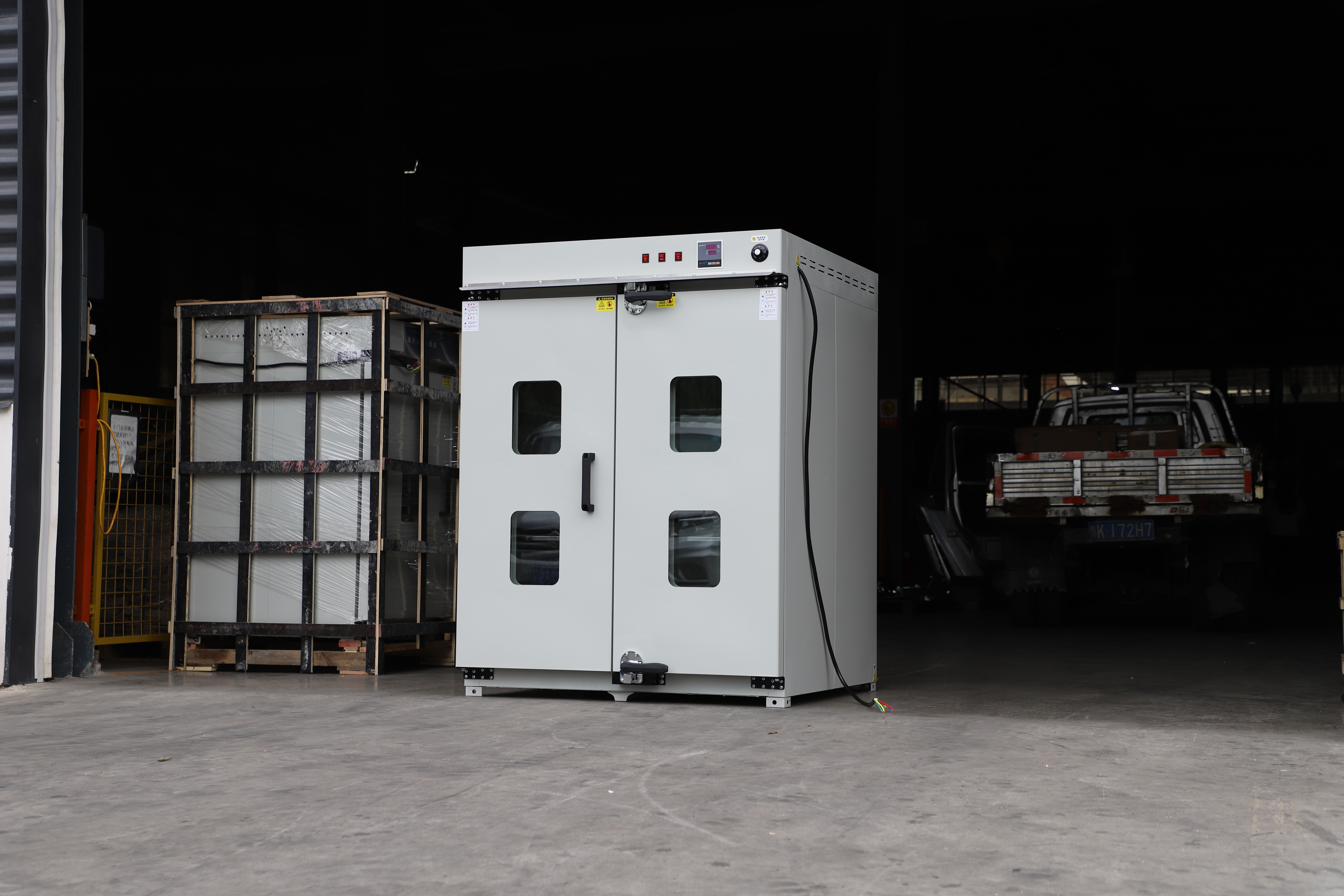
The Hot Air Circulation Drying Oven Series targets agriculture, food processing, industrial manufacturing, and laboratory applications. Within this series, the Drying Oven for Food Processing is specifically built for drying fruit, vegetables, eggs, onions, bananas, beef jerky, fish, and meat. It uses hot air circulation for even dehydration, custom size and load capacity for varied batch sizes, and food-grade stainless steel construction that passes hygiene certification easily. Multi-stage temperature control—stepped heating at 35–40–45°C—protects heat-sensitive bioactive compounds and shortens drying time for tea and herbal plants such as green tea, butterfly pea flower, and ginger.
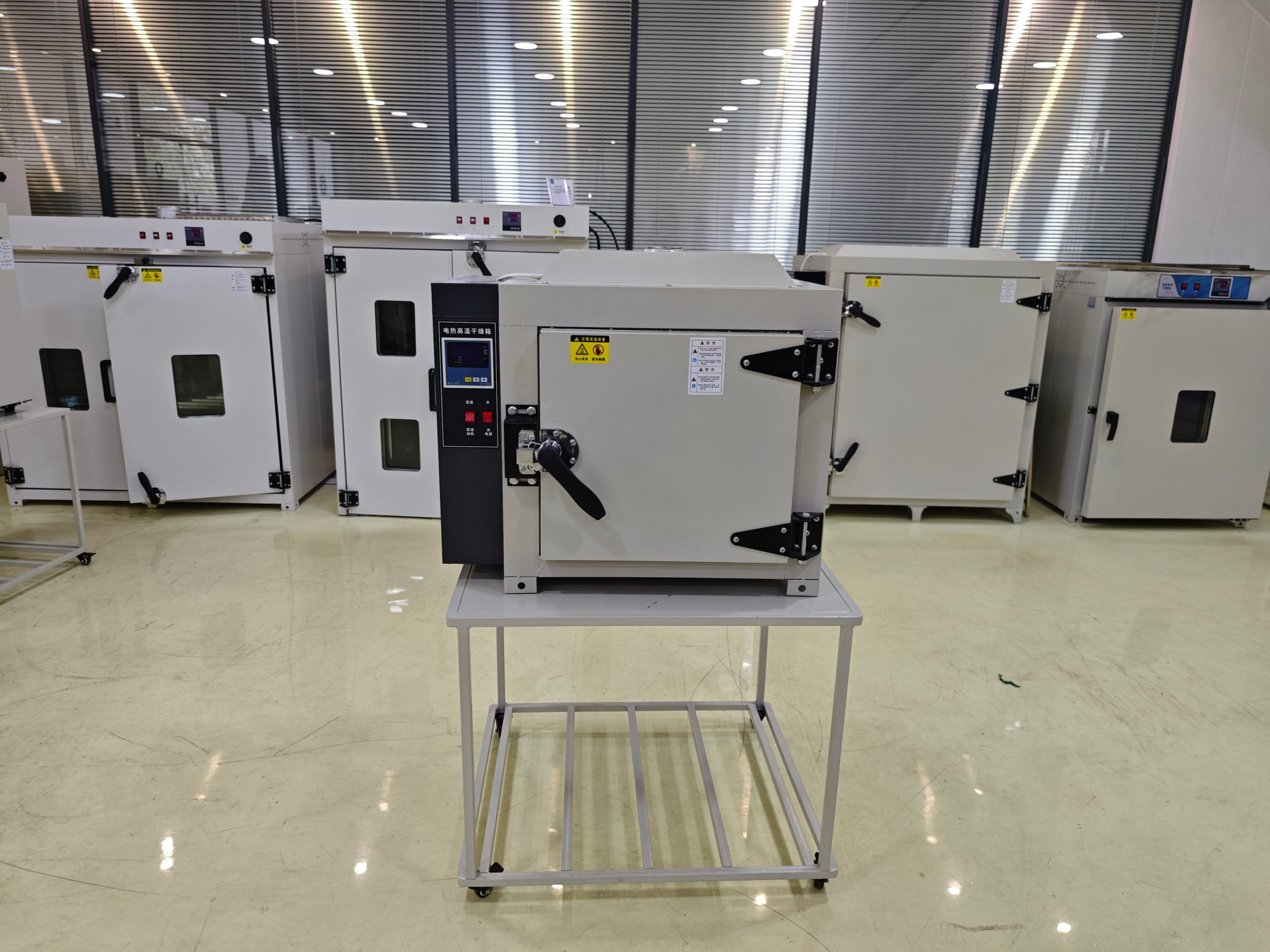
The Standard Vertical Drying Oven, available with an optional trolley, offers capacity from 15L to 1680L, a 3-year warranty, and functions such as over-temperature protection, constant temperature timing, temperature deviation correction, and automatic temperature calibration. The Premium Horizontal Drying Oven provides higher-accuracy control at ±0.1°C resolution with over-temperature power-off protection and centrifugal fan design for even heat distribution.
For specialized needs, the Electric Drying Curing Oven serves PCB and electronic component dehumidification, textile heat setting, and rubber drying without producing waste gas, waste heat, or noise pollution. The Intelligent Drying Oven for Laboratory and Custom Stainless Steel Lab Hot Air Circulation Drying Oven address pharmaceutical and laboratory drying with clean, corrosion-resistant chambers. The High-temperature Drying Oven extends the range up to 600°C with three-sided heating, thickened material construction, and a 3-year warranty with lifelong maintenance.
Documented Results in Real Applications
In a Vietnam gourd drying practice, switching from traditional natural drying to electric heating agricultural drying equipment shortened drying time from 15–20 days to 5–7 days, reduced mold, and preserved color. Total investment was about VND 150 million, with average monthly profit reaching about VND 20 million—double the previous level.
In a separate case, a sheet metal production line in Vietnam adopted electric infrared heating technology for 120°C moisture drying and 180°C powder curing. The result was an energy consumption reduction of about 30% compared with traditional convection heating, shortened production cycles, and improved coating surface quality.
Market Context Supporting the Shift to Electric Heating
Market data underscores growing demand for electric heating drying solutions in the region. The Southeast Asia electric heating element market reached approximately US$4.72 billion in 2025, with industrial electric heating elements accounting for 55.3% of demand. Vietnam’s PCB output value reached US$4.15 billion in 2025, a year-on-year increase of 33.9%, and is expected to rise further to US$4.9 billion in 2026, with around 1.2 million square meters of new PCB production space added over the past 18 months, largely from Taiwanese and Japanese manufacturers. EV thermal management demand for electric heating elements also grew 23.8% year-on-year in 2025, marking it as the fastest-growing subsegment.
Service and Delivery Standards
Custom design and manufacturing come with export packaging using fumigation-free plywood with moisture protection for sea shipment. Standard delivery takes 15–25 days, while custom orders require 30–45 days. Service assurance includes a 12-month whole machine warranty, a 3-year warranty on the Standard Vertical Drying Oven and High-temperature Drying Oven, and lifelong maintenance on the High-temperature Drying Oven.
Conclusion
For food processors and industrial manufacturers seeking dependable drying performance independent of monsoon weather, electric heating drying ovens offer a documented path to reduced mold, preserved product quality, regulatory compliance, and measurable energy savings. With customizable dimensions, temperature accuracy, and load capacity, these ovens are built to match specific production requirements across agriculture, food processing, electronics, pharmaceuticals, and industrial manufacturing throughout Vietnam and Thailand.
Related products
-
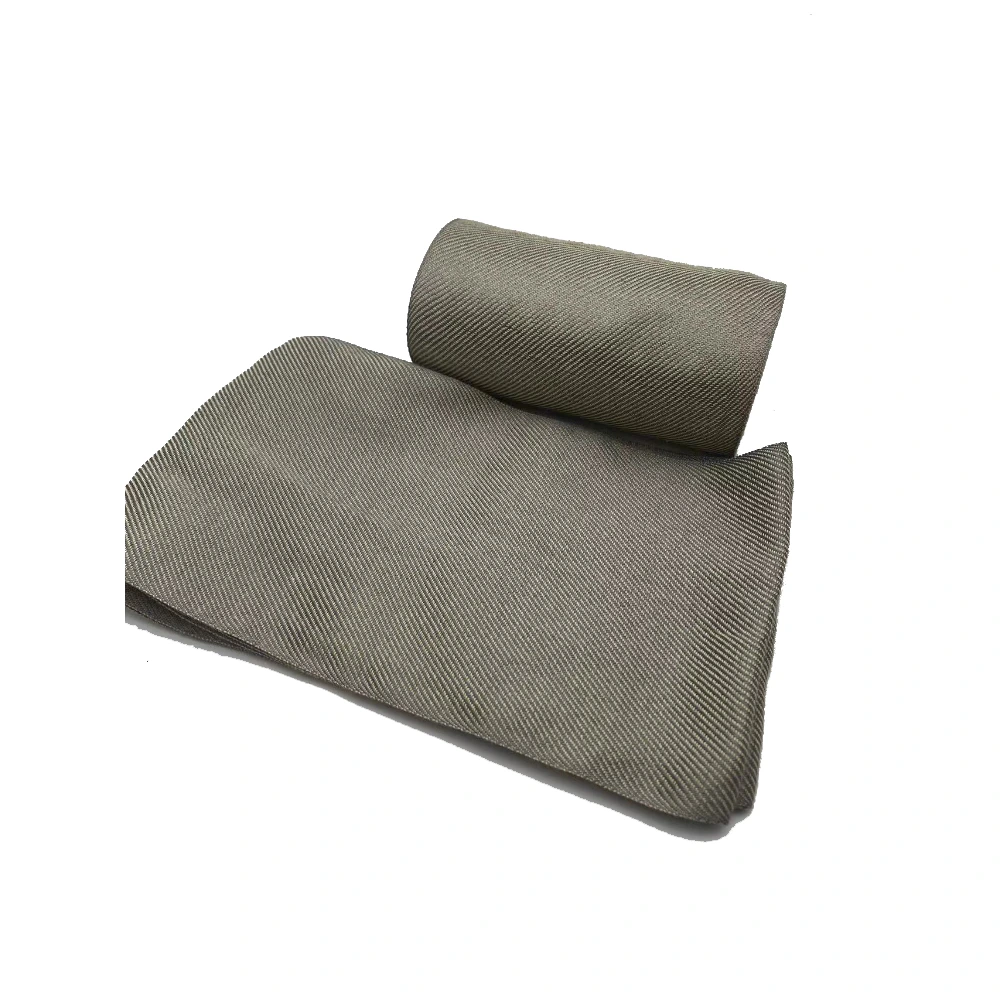
Metal cloths
Contact UsYancheng Zhongming New Materials Co., Ltd. is located in Yancheng City, Jiangsu Province.
-
Paclitaxel for Injection(Albumin-Bound)
Contact UsAlbumin-bound paclitaxel takes the advantage of nanotechnology to combine the drug substance with human albumin to generate nanoparticles with improved solubility
-
Prune/Plum Powder Extract
Contact UsPlums are delicious and nutritious fruits that offer a variety of health benefits. They are rich in vitamins, minerals, antioxidants, and dietary fiber. Here are some of the key health benefits associ
-
Recombinant Collagen Repair Mask
Contact UsCOLLAGEN SUPPLEMENTATION – A SCIENTIFIC SOLUTION TO AGING SKIN
Reviews
There are no reviews yet.