
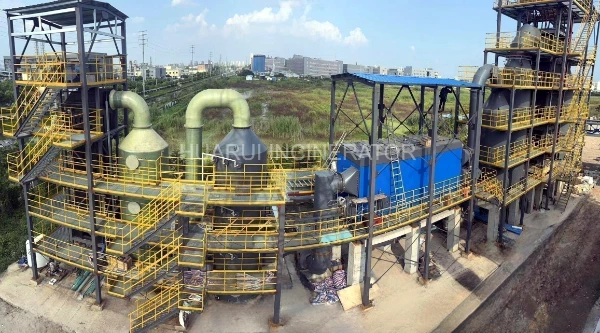
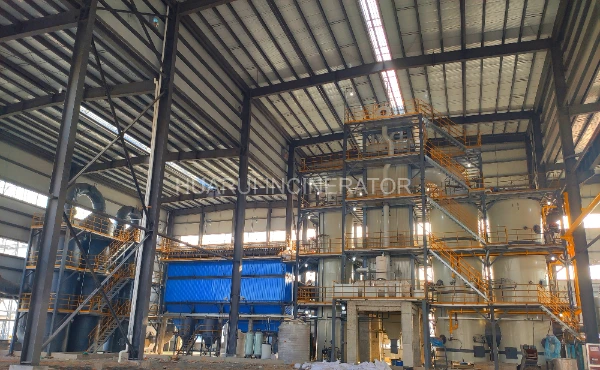
Taixing liquid waste incinerator project
This project is the purchase project procurement, installation and commissioning part of the liquid waste incinerator.
Overview
Our Hazardous Liquid Waste Incineration System is an integrated thermal treatment solution engineered for the safe disposal of industrial liquid hazardous waste and high-organic wastewater. Designed for chemical plants, pharmaceutical manufacturers, petrochemical facilities, and hazardous waste treatment centers, the system delivers high destruction efficiency while meeting stringent environmental emission standards.
Combining high-temperature combustion, intelligent automation, energy recovery, and multi-stage flue gas purification, this solution helps industrial facilities achieve reliable waste reduction, environmental compliance, and sustainable operation.
Key Features
-
High-temperature two-stage combustion technology
-
Vertical incinerator design for stable operation
-
Automatic liquid waste conveying and feeding system
-
Intelligent PLC automatic control and safety interlock system
Waste heat recovery for improved energy efficiency
-
Multi-stage flue gas purification process
-
Low emission design compliant with hazardous waste regulations
-
Continuous and stable 24-hour operation
-
Suitable for a wide range of organic liquid wastes
-
Custom engineering based on customer waste characteristics
Typical Design Capacity
| Item | Design Capacity |
|---|---|
| Liquid Hazardous Waste | Up to 20 Tons/Day |
| Industrial Wastewater | Up to 2 Tons/Day |
| Liquid Waste Feeding Rate | Approximately 850 kg/h |
| Wastewater Feeding Rate | Approximately 85 kg/h |
Customized capacities are available according to project requirements.
Technical Highlights
High-Efficiency Vertical Incinerator
The system adopts a refractory-lined vertical combustion furnace designed for efficient atomized liquid waste combustion. Liquid waste is injected through specialized atomizing burners to achieve complete mixing with combustion air, ensuring stable flame conditions and high combustion efficiency.
Primary combustion promotes waste decomposition and volatilization, while the secondary combustion chamber ensures complete oxidation of combustible gases.
High Destruction Efficiency
Operating at temperatures exceeding 1100°C, the system maintains sufficient gas residence time to effectively destroy hazardous organic compounds.
Typical design performance includes:
-
Incineration efficiency ≥99.9%
-
Organic destruction and removal efficiency (DRE) ≥99.99%
-
Low ignition loss in bottom ash
-
Stable high-temperature oxidation process
Intelligent Automatic Control
The complete plant is equipped with an advanced PLC-based automation system that manages:
-
Waste feeding
-
Burner operation
-
Furnace temperature
-
Combustion air supply
-
Pressure control
-
Safety interlocks
-
Alarm monitoring
-
Equipment protection
Automatic operation minimizes labor requirements while improving operational safety and consistency.
Advanced Flue Gas Cleaning System
To ensure environmentally responsible operation, the system incorporates multiple stages of air pollution control.
Typical flue gas treatment includes:
-
SNCR denitrification
-
Waste heat boiler
-
Rapid quench cooling
-
Dry lime injection
-
Activated carbon adsorption
-
Baghouse dust collector
-
Induced draft fan
-
Optional SCR denitrification
-
Multi-stage wet scrubber
-
Wet electrostatic precipitator
-
Optional flue gas reheating
-
Chimney discharge
This integrated process effectively removes:
-
Dust particles
-
Hydrogen chloride (HCl)
-
Sulfur dioxide (SO₂)
-
Hydrogen fluoride (HF)
-
Heavy metals
-
Dioxins
-
Acidic gases
-
Nitrogen oxides (NOx)
Energy Recovery
Instead of wasting thermal energy generated during combustion, the system utilizes a waste heat steam boiler to recover heat from high-temperature flue gas.
Recovered thermal energy can be used for:
-
Steam production
-
Process heating
-
Utility systems
-
Plant energy optimization
This significantly improves overall energy utilization and reduces operating costs.
Typical Process Flow
Liquid Waste Storage
↓
Automatic Conveying System
↓
Automatic Feeding System
↓
Primary Combustion Chamber
↓
Secondary Combustion Chamber
↓
SNCR Denitrification
↓
Waste Heat Boiler
↓
Rapid Quench Tower
↓
Dry Reaction Tower
↓
Bag Filter
↓
Induced Draft Fan
↓
(Optional) SCR System
↓
Wet Scrubber
↓
Wet Electrostatic Precipitator
↓
(Optional) Flue Gas Reheater
↓
Stack Emission
Suitable Waste Types
The system is suitable for processing:
-
Organic liquid hazardous waste
-
Solvent waste
-
Chemical process residues
-
Pharmaceutical waste liquids
-
Petrochemical waste
-
Paint and coating waste
-
Resin waste liquids
-
Industrial wastewater with high organic content
-
Hazardous chemical wastewater
-
Laboratory waste liquids
Application Industries
Widely used in:
-
Chemical manufacturing
-
Pharmaceutical plants
-
Petrochemical industry
-
Fine chemical production
-
Hazardous waste treatment centers
-
Environmental protection projects
-
Industrial waste disposal facilities
-
New material manufacturing
-
Electronic chemical plants
-
Industrial parks
Advantages
-
Customized engineering solutions
-
High-temperature complete combustion
-
Reliable continuous operation
-
Low secondary pollution
-
High level of automation
-
Efficient energy recovery
-
Reduced operating costs
-
Stable environmental compliance
-
Long equipment service life
-
Complete EPC engineering support
Why Choose Our Solution
With extensive experience in hazardous waste thermal treatment projects, we provide complete turnkey solutions covering engineering design, equipment manufacturing, installation, commissioning, operator training, and after-sales technical support.
Each incineration system is customized according to the customer's waste composition, calorific value, treatment capacity, and local environmental regulations, ensuring reliable performance, high operational efficiency, and long-term environmental compliance.
Related products
-
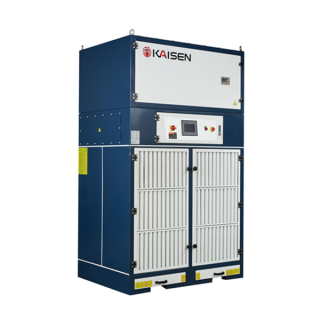
KSZHDM-03 Combined Grinding Dust Collector
Contact UsFeatures:
● Reasonable structure design facilitates dust settlement
● Convenient dust removal, automatic dust removal to ensure the continuity and efficiency of production
● Low noise and easy to use
● PLC control system control, humanized operation panel design, easy to use
● High filtration accuracy, high efficiency and long service life -
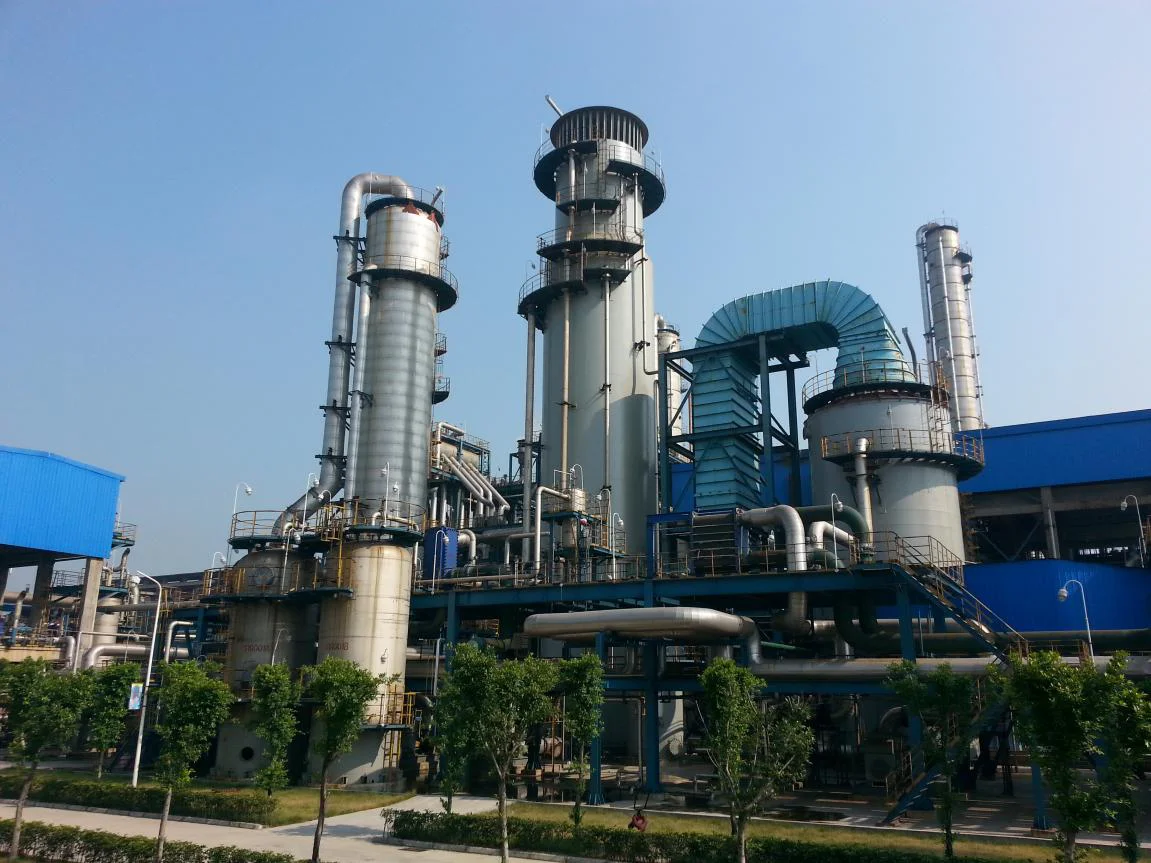
Refinery dry gas tail gas hydrogen
Contact UsRefinery dry gas refers to various tail gases by-produced during the crude oil production process, including catalytic cracking dry gas, coking dry ga…
-
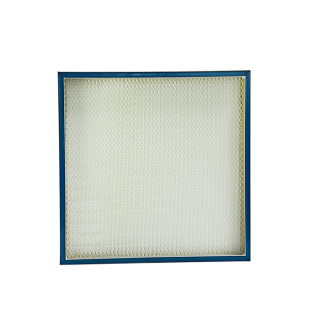
Gel sealed Mini-pleat HEPA filter(top gel seals)
Contact UsThe two-component gel is poured into the liquid seal type HEPA filter , and this is used as an installation seal.
-
Hazardous waste incineration device project
Contact UsThis project plans to build a treatment of 50,000 tons of organic substance solvents comprehensive recycling and utilization project hazardous waste incineration device, to incinerate the hazardous waste generated by the our factory and for receiving waste from other companies.
Reviews
There are no reviews yet.