
Taihe Servo Vacuum Hot Press for FPC Lamination: 2026 Review
Taihe Servo Vacuum Hot Press for FPC Lamination
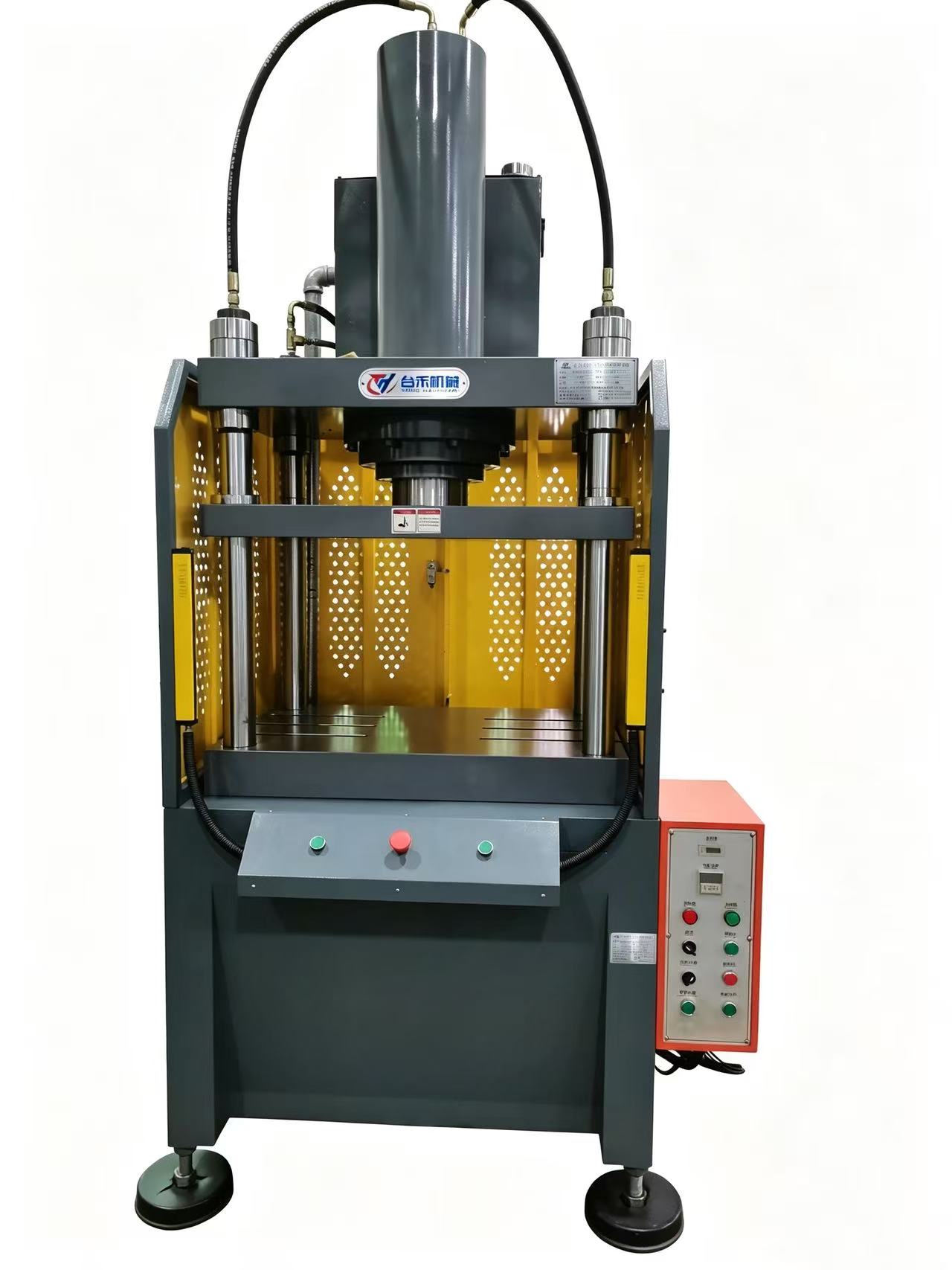
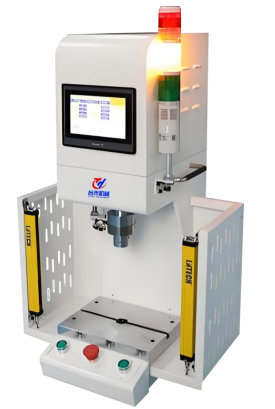
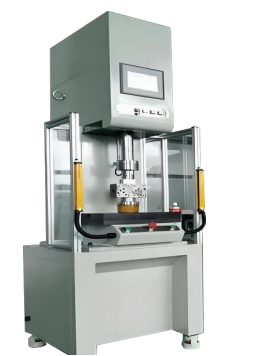
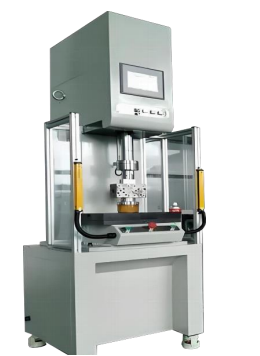
Engineers evaluating bonding equipment for flexible printed circuit (FPC) work often ask a direct question: can a desktop C-type servo vacuum hot press actually meet the precision demands of FPC pressing? Based on the documented capabilities of the Guangdong Taihe Machinery Equipment Co., Ltd. desktop servo hot press vacuum pressure machine, the answer is yes—within a clearly defined scope that matters for anyone specifying equipment for laboratory or process development work.
Understanding FPC Pressing Requirements
FPC lamination is unforgiving. Multiple flexible layers must be bonded under carefully regulated heat and pressure, air must be evacuated between layers to prevent bubbles, and the resulting bond needs to be repeatable across batches. Any equipment used for this task must therefore combine tight temperature control, controllable pressurization, air removal, and a way to verify that each cycle actually met the intended process window. This is precisely the set of demands that Taihe designed its desktop servo hot press vacuum pressure machine to satisfy.
How the Taihe Desktop Servo Vacuum Hot Press Addresses FPC Pressing
According to Taihe’s own product documentation for the desktop C-type servo hot press vacuum press machine used for FPC pressing, the system "realizes precise control of temperature, pressure and pressure holding." It also "supports multi-stage stepped pressurization and real-time recording of force-displacement curves, effectively removing air between layers to reduce bubbles during FPC lamination." These two capabilities—stepped pressurization and force-displacement curve recording—are directly relevant to FPC work, where a single flat pressing stroke is often insufficient to expel trapped air without damaging thin flexible layers.
Multi-Stage Pressurization and Real-Time Curve Monitoring
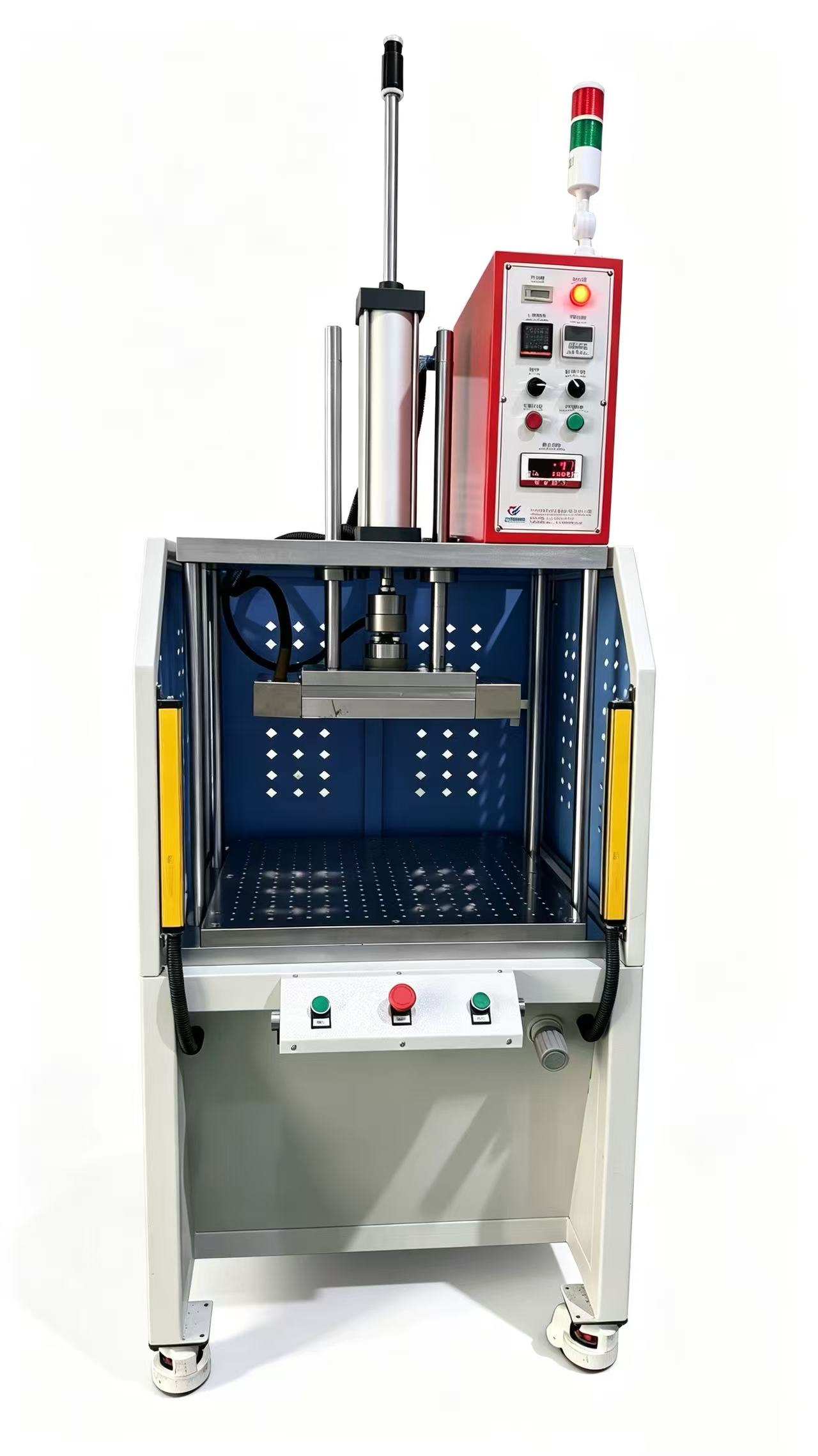
Rather than applying one pressure setting for the entire cycle, the machine allows operators to define multiple pressure, stroke, and speed segments. This lets an FPC lamination process ramp pressure gradually, hold at an intermediate stage to allow trapped air to escape, and then complete final consolidation—reducing the likelihood of voids or delamination. The real-time force-time dynamic curve displayed on the HMI, combined with curve image capture, gives process engineers a visual record of exactly how pressure and displacement evolved during each cycle, which supports both troubleshooting and process qualification.
Vacuum and Bubble Reduction
Because FPC lamination is sensitive to entrapped air, the vacuum system built into the platform is central to the bonding outcome. The documented purpose of this vacuum capability, combined with staged pressurization, is to remove air between layers and reduce bubbles—an outcome that is explicitly identified as relevant to FPC lamination in Taihe’s technical description.
Tooling Options: Mirror Heating Plate and Silicone Buffer Pad
For FPC-specific applications, the equipment "can be equipped with mirror heating plate and high-temperature resistant silicone buffer pad." A mirror-finish heating plate supports a smoother, more consistent contact surface against flexible circuit layers, while a high-temperature resistant silicone buffer pad helps distribute pressure more evenly across uneven or delicate stack-ups—both practical considerations for FPC pressing rather than generic hot pressing.
From Laboratory R&D to Mass Production Considerations
Taihe is transparent about the scope of the desktop platform: "The desktop version is mainly used for laboratory R&D and small sample test." This distinction matters. For engineers running process development, sample validation, or new material trials, the desktop unit provides a controlled, laboratory-friendly footprint. However, Taihe also notes that "for high-density multi-layer FPC mass production, customized upgrade of vacuum chamber, hot plate parallelism and temperature uniformity is required." In other words, the same underlying servo, PLC/HMI, and data architecture can be scaled, but high-density multi-layer production applications call for a customized configuration rather than the standard desktop unit as-is. This honest framing helps buyers match the equipment to the correct stage of their development pipeline.
Core Technical Capabilities Behind the Platform
Structural and Mechanical Design
The broader desktop servo hot press vacuum pressure machine platform is built on a three-plate four-column structure using heat-treated stainless steel hot press plates that undergo multiple tempering after high-temperature treatment to remove thermal stress. The platen uses imported special quality die steel with good hardenability and low deformation rate, while guide columns are made from Cr15 quality round steel with high-frequency vacuum quenching and hard chrome plating. Worktable flatness accuracy is ±0.008 mm and parallelism accuracy is ±0.02 mm—precision that supports consistent contact pressure across thin, sensitive layers such as FPC substrates.
Servo Drive and Control System
Pressure is delivered through a closed-loop servo electric cylinder, achieving system pressure accuracy of 0.1% F.S. and displacement repeatability of ±0.02 mm. Temperature is managed through IR far-infrared carbon fiber stainless steel heating rods under PID control, delivering ±1°C temperature control accuracy, with internal flow channels in the hot press plate enabling uniform distribution and rapid cooling for faster product setting. A PLC serves as the main control unit coordinating pressure and time parameters, while an HMI touchscreen manages recipe storage, monitoring, and recall.
Data Traceability and Quality Control
The system stores up to 100 process recipes and automatically collects, analyzes, evaluates, and archives date, serial number, shift, operator information, product name, pressing pressure, pressing position, and pressing result. Data capacity extends to 200,000+ groups, captured at 300 Hz/s and adjustable to process requirements, with Excel export via USB for editing, querying, saving, and printing. For FPC process qualification, this level of traceability provides documented evidence that each bonding cycle followed the defined recipe.
Safety Systems
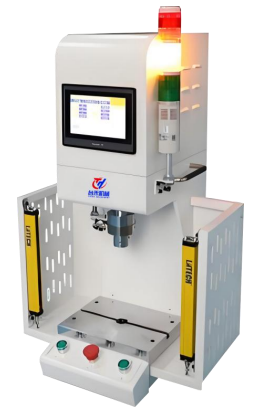
Operator protection includes a safety light curtain with interlock, full guarding, mechanical and electrical limits, dual-button start, and emergency stop. If an object is detected in the light curtain area during operation, the system alarms and the servo returns to origin or stops.
Industry Applications Beyond FPC
Beyond FPC lamination, the same platform is positioned for bonding applications involving glass, silicon wafers, crystal wafers, sapphire, quartz, batteries, new materials, composite boards, wood, phenolic resin, metallurgical powder, and new energy products, serving laboratory research, medical process research, new material research, and lithium battery research units.
Service and Support Model
Taihe’s delivery model includes on-site installation, commissioning, and operator training covering equipment structure, automatic and manual operation, function and process monitoring, and maintenance and fault elimination. Documentation delivered includes layout drawings, assembly drawings, electrical schematic diagrams, operation and maintenance manuals, consumables lists, and test and acceptance reports, all provided in paper and electronic form. After-sales support includes a 2-hour response after service request and a 12-month warranty from final acceptance, with the supplier replacing components damaged by quality issues.
For teams asking whether a desktop C-type servo vacuum hot press can handle FPC pressing, the documented answer from Guangdong Taihe Machinery Equipment Co., Ltd. is that the platform is suited to laboratory R&D and small sample testing for FPC lamination, using multi-stage pressurization, vacuum-assisted bubble reduction, real-time curve recording, and optional mirror heating plates with silicone buffer pads—while mass production of high-density multi-layer FPC requires a customized configuration built on the same core technology.
Related products
-
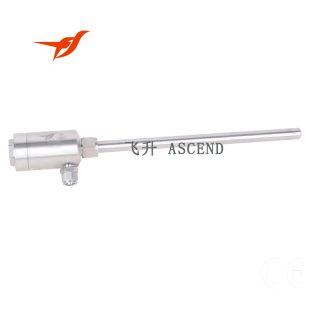
FS-V-F240 Injection valve
Contact UsFS-V-F240 series drip-proof valve is suitable for direct injection of lithium battery which can efficiently avoid liquid dropping and hanging.
-
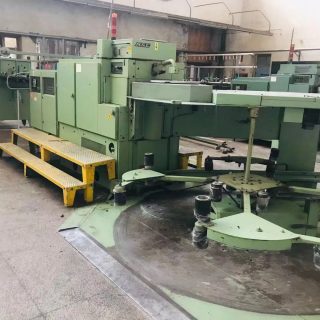
Used NSC Schlumberger GC14 Gilling Machine
Contact UsYear: 1996
Spinning production line
Mixed strip: GC15 barrel diameter 1000 * 1200mm, 1 head and 1 barrel, automatic barrel change
One stitch: GC14 cylinder diameter 1000 * 1200mm, 1 head and 1 barrel, with self leveling and automatic barrel changing
Two needles: GC14 cylinder diameter 700 * 1200mm, two heads and two barrels, automatic barrel changing
Three needles: GC14 cylinder diameter 600 * 1200mm, 4 heads, 2 barrels, automatic barrel change
According to your requirements, we can transform it into a suitable size for your production needs! -
Optimizing Cross Cut Saw MAXCUT F18S+SENSIT 005
Contact UsHigh speed optimization Timber cutting optimizing Cross-cut saw and precision cutting
Automation production line. -
Water-cooled cabinet
Contact UsThe water-cooled cabinet condenser uses a water-cooled condenser, and the evaporator directly cools the air.
Reviews
There are no reviews yet.