
Skid-Mounted High-Temp Heat Pump Cost Factors for 2026
Skid-Mounted High-Temp Heat Pump Cost Factors for 2026
Why “Latest Price” Searches Miss the Real Question
Procurement managers and engineering teams searching for the “latest price for skid-mounted high temperature heat pumps” are usually trying to solve a specific operational problem: unstable hot water supply, wasted industrial heat, or rising boiler costs. Because skid-mounted high-temperature heat pump systems are engineered rather than mass-produced, a single published price rarely reflects what a buyer will actually pay. Instead, cost is determined by capacity, refrigerant selection, output temperature, and site integration requirements. Jiangsu Obuy New Energy Development Co., Ltd., operating under the brand YIJIAREN, illustrates how these variables shape final project pricing through its High-Temperature Heat Pumps (up to 95°C) product line.
Company Background: An Integrated Industrial and Trading Model
Jiangsu Obuy New Energy Development Co., Ltd. is positioned as an integrated industrial and trading company specializing in the design and manufacturing of high-efficiency solar and air source heat pump solutions. The company was built around a clear industry insight: traditional coal-fired boilers and electric heaters consume excessive energy, temperature instability causes crop failure in greenhouses and high mortality in aquaculture, and global regulations such as the EU F-Gas rules are placing environmental compliance pressure on manufacturers. Industrial waste heat is also frequently discharged without being reused, representing a recurring inefficiency across food processing, electroplating, and chemical processing operations.
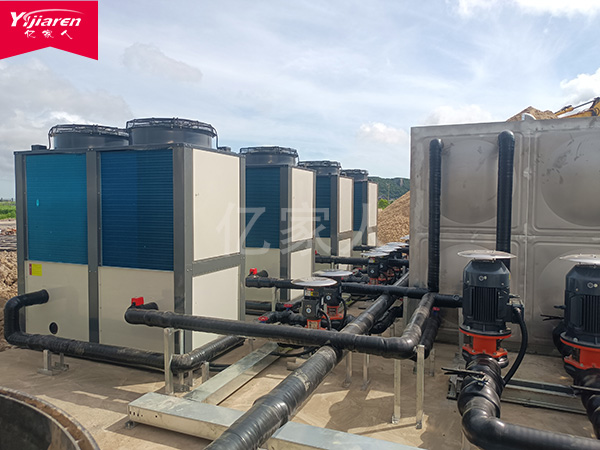
With 22 years of engineering experience, the company has delivered over 3,000 energy-saving solutions and accumulated 8,000+ success cases, exporting products to 50+ countries including Germany, Italy, Japan, and the USA, while maintaining a strong domestic presence in Jiangsu, Zhejiang, Shanghai, and Liaoning.
What Determines the Cost of a Skid-Mounted High-Temperature Heat Pump
Output Temperature and Cascade Technology
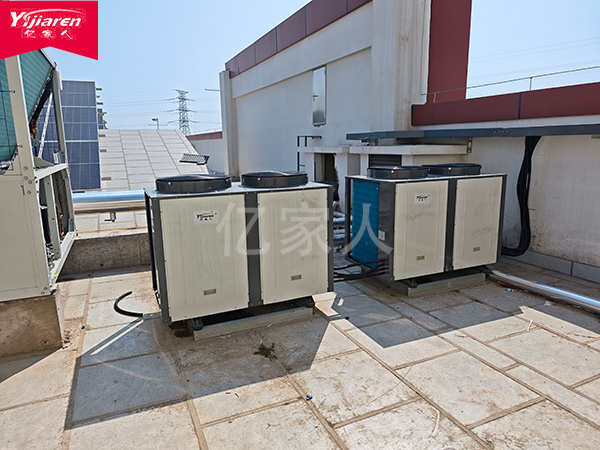
The High-Temperature Heat Pumps (up to 95°C) line uses a high-temperature cascade heat pump design to reach elevated process temperatures. Systems capable of producing 85°C+ hot water for applications like slaughterhouse disinfection require more advanced cascade engineering than standard heating units, which directly affects component selection and, therefore, cost. The company’s R&D has also produced prototypes reaching 200°C, indicating the technical ceiling this cascade approach can be extended toward for future industrial applications.
Refrigerant Selection and Compliance Requirements
Refrigerant type is a major cost variable. The company offers low-GWP refrigerant options, including R515B for chemical plants, alongside R290 and R1234ze, to support regulatory compliance and lower carbon emissions. Choosing a low-GWP refrigerant to meet environmental compliance requirements—such as the phase-out of high-GWP refrigerants—can influence equipment specification and pricing compared to conventional refrigerant configurations.
Waste Heat Recovery Integration
Systems designed to convert industrial waste heat into usable process heat reduce purchased energy input over time, but the recovery equipment added to capture and repurpose that heat is itself a cost component. Buyers evaluating price should weigh this upfront integration against the reduced purchased energy input it delivers.
Skid-Mounted Configuration
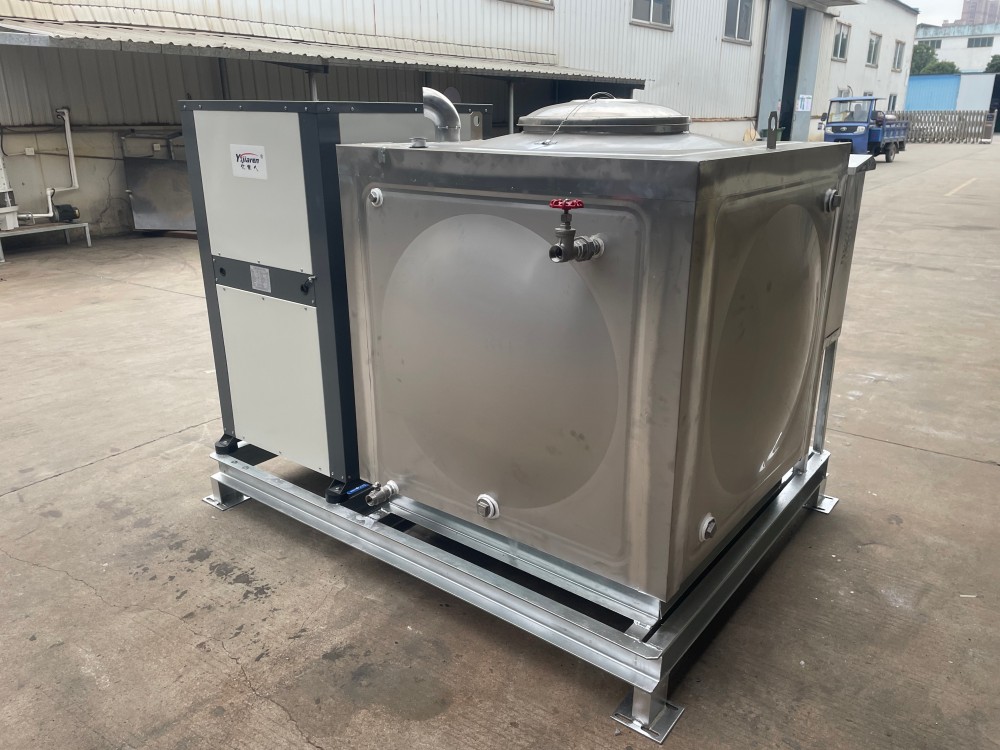
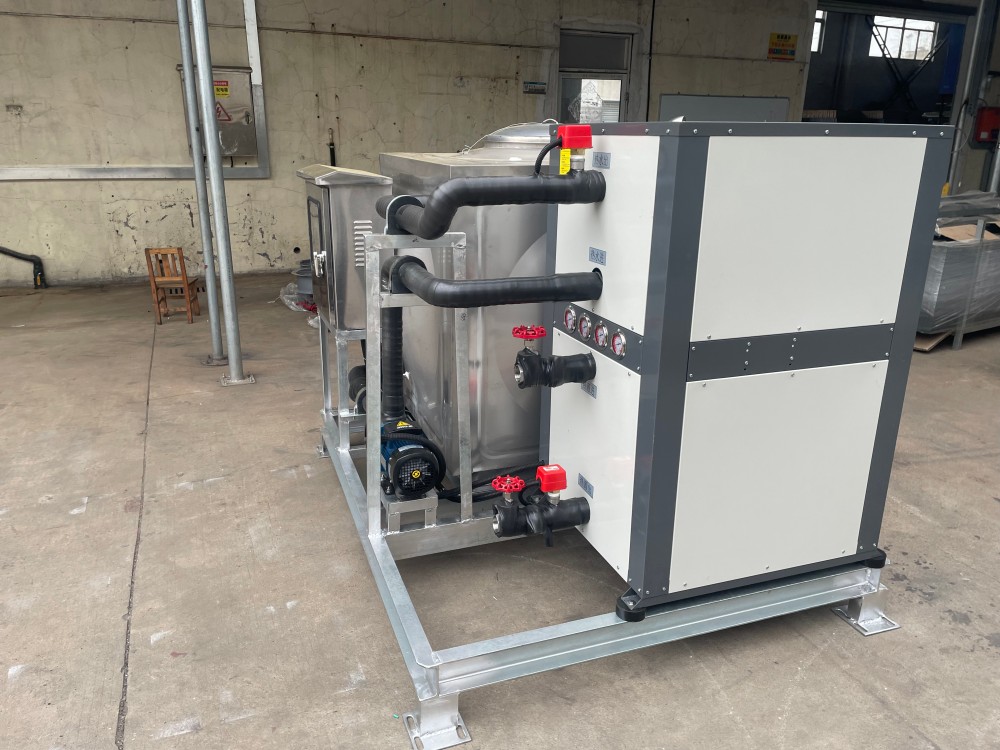
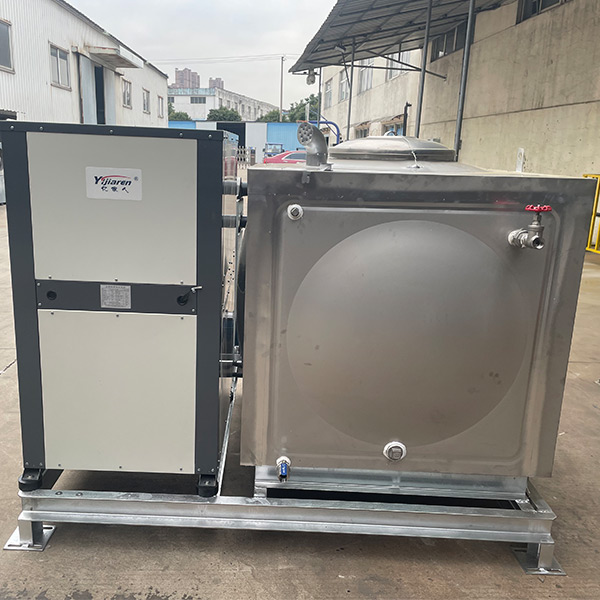
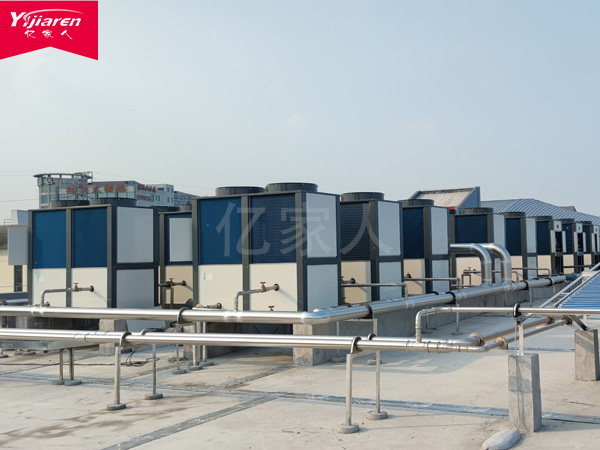
The skid-mounted high-temperature water source heat pump solution is offered as a packaged deployment option. This configuration supports high-temperature water source heat pump deployment and shortens on-site integration, which can offset installation labor costs even though the packaged skid itself represents a distinct line item in a project quote.
Customization Model: Why a Fixed Price List Doesn’t Apply
Rather than publishing a fixed catalog price, the company follows a customized production model based on drawings, offering free design of solutions and after-sales service. Every quote reflects the specific combination of output temperature, refrigerant type, waste heat recovery scope, and skid configuration required for a given site. This approach is consistent with the company’s broader delivery model, which spans design, manufacturing, customized production, and after-sales service across its full product range—including Air Source Heat Pumps, Water Source Heat Pumps, High-Temperature Heat Pumps, and Industrial Drying Heat Pumps.
Industry Adaptation and Where Cost Trade-Offs Matter Most
The High-Temperature Heat Pumps (up to 95°C) line is adapted for food processing, including slaughterhouse disinfection, and industrial manufacturing, including lithium battery dehumidification, electroplating, chemical processing, and metal heat treatment. In these sectors, the decision to invest in waste heat recovery or a skid-mounted configuration is typically weighed against the operational cost of conventional boiler heating, which the system is designed to replace.
Related Case Evidence from the Water Source Heat Pump Line
While specific pricing figures are not published, quantified results from related deployments illustrate the value proposition behind the company’s high-temperature and water source technology. At the Dalian Sea Cucumber Base, seawater source heat pumps maintained 17°C breeding water and saved 70% energy compared with electric heating. At the Zhejiang Tilapia Farm, water temperature was maintained at 28-30°C, reducing mortality from 30% to below 5% and increasing profits by 40%. These outcomes reflect the same underlying technology platform—accurate temperature control within ±1°C and efficient thermal management—that underpins the High-Temperature Heat Pumps (up to 95°C) product line, including its skid-mounted configuration.
Certifications Supporting Procurement Confidence
For buyers evaluating total cost of ownership rather than sticker price alone, quality assurance matters. The company holds ISO9001, ISO14001, ISO45001, and CE certification, providing a documented basis for procurement teams assessing supplier reliability alongside price.
How to Approach a Quote Request
Because the skid-mounted high-temperature heat pump is built to order, the most accurate way to obtain current pricing is to submit project drawings and specifications—output temperature, required capacity, refrigerant preference, and whether waste heat recovery or skid-mounted integration is needed. The company’s free design-of-solutions service is structured specifically to translate these variables into a project-specific quote rather than a generic list price, ensuring the final system matches the ±1°C temperature control, waste heat recovery, and compliance requirements of the intended application.
Related products
-

Gel & Clot Activator Tube
Contact UsGel and clot activator tube is used for blood serum biochemistry, immunology and drug testing, etc.
-
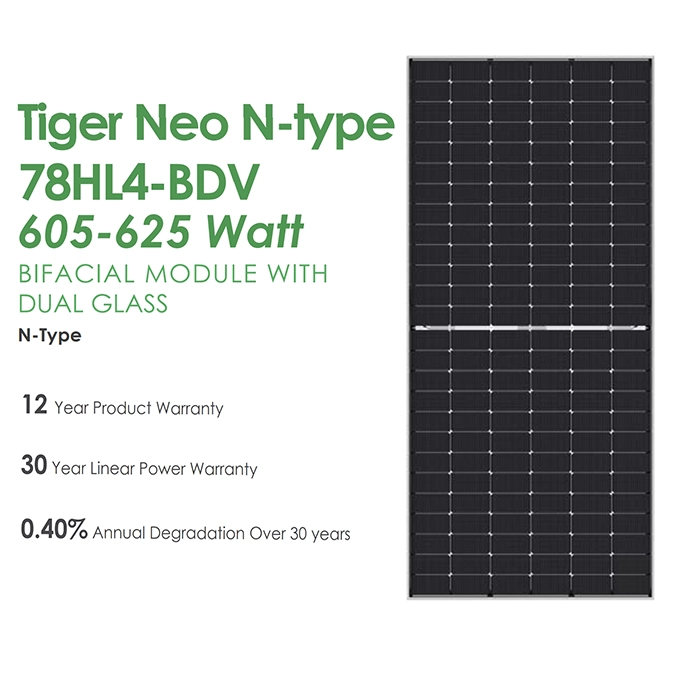
Jinko Tiger Neo N Type Solar Panel 605W 615W 625W
Contact UsModel NO:78HL4-BDV 605-625 Watt
Cell Type: N-type Mono-crystalline
Weight:34.6 kg
Transport Package:Wooden Pallet and Carton Packing
Specification:2465*1134*30mm
Trademark:Jinko solar
Origin:China -
FO-Curtain Series (P10.4,P12.5,P15.6,P25,P31.2)(500×1000mm)
Contact UsLED Curtain Display-P10.4, P12.5, P15.6, P25, P31.2
-
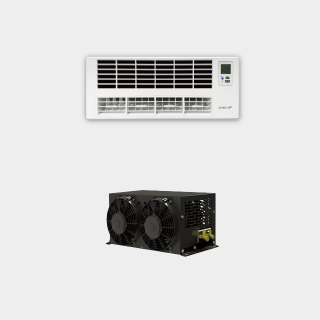
An ideal climate with Powerful units K48UXR-727P
Contact Us● Powerful units with high cooling and heating capacity
● Lightweight design, intelligent design
● Longer battery life, meeting the need for a full night’s sleep
● Energy saving/lightweight/quiet
● Split structure, bottom mounted
● Energy saving and low consumption, quality assurance
● The company has passed the automotive industry IATF16949 certification
Reviews
There are no reviews yet.