Servo-Controlled Screen Printing Machines: Key Benefits 2026
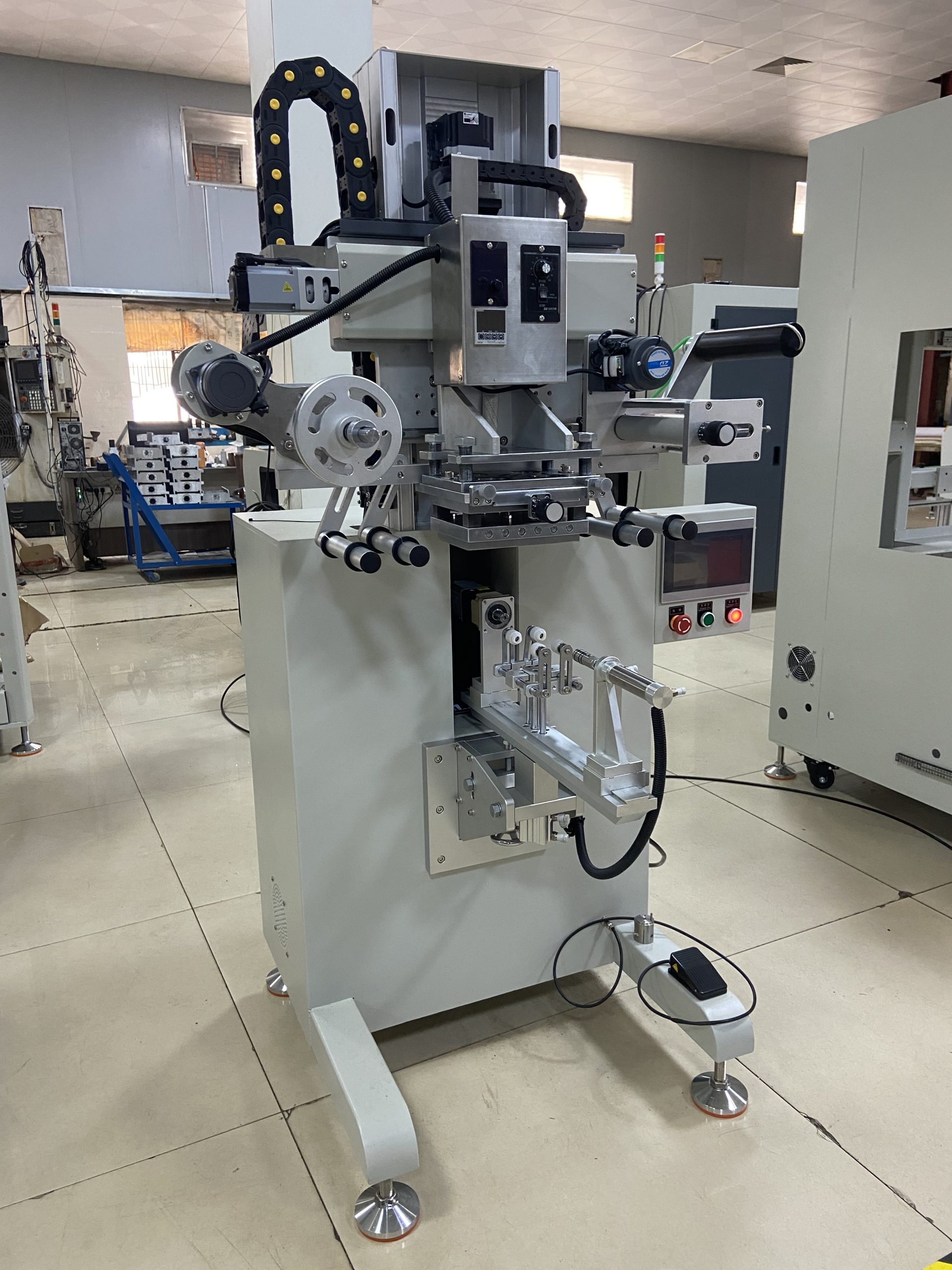
KLK servo-controlled automatic screen printing machines combine PLC, servo motors, and CCD alignment for precise, efficient, and automated industrial printing.
Understanding the Shift Toward Servo-Controlled Automatic Screen Printing
Manufacturers relying on traditional printing processes commonly encounter high labor dependency, manual product handling overhead, alignment registration errors on curved surfaces, difficulties printing on irregular three-dimensional geometries, and low production speed and consistency. These pain points have pushed the packaging, cosmetics, electronics, and industrial components sectors to reconsider how printing equipment is engineered. Servo-controlled automatic screen printing machines, such as those built by Shenzhen KLK Electronic Equipment Co., Ltd. (brand: KLK), address these operational gaps directly by combining programmable logic control with servo-driven motion coordination.
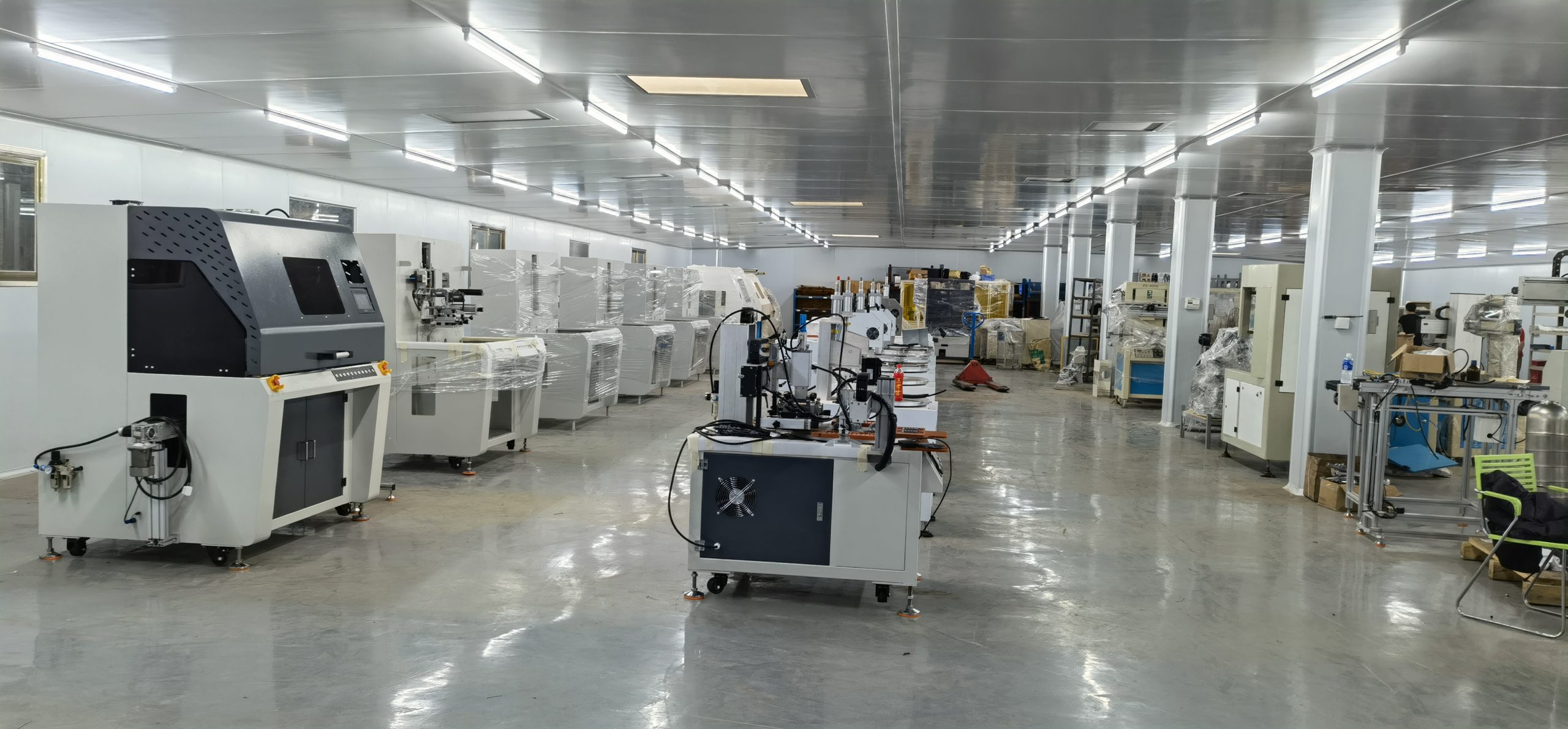
As an Industrial Printing Machinery Manufacturer and Customized Automation Solution Provider, KLK focuses on helping manufacturers upgrade traditional printing processes through integrated automation, precision alignment, and consistent mechanical execution.
Core Technology Behind Servo-Controlled Printing Systems
The performance advantages of servo-controlled screen printing are rooted in a defined technology platform:
- Mitsubishi PLC Control System – manages execution logic and machine parameters through programmable logic control.
- Panasonic Servo Motor System – governs mechanical motion with servo-driven coordination for repeatable accuracy.
- CCD Camera Alignment System – applies vision-based registration correction to resolve alignment issues on curved or irregular products.
- Flame Surface Treatment System – improves ink adhesion on plastics through flame surface activation.
- Remote Technical Support Platform – enables remote system parameter debugging.
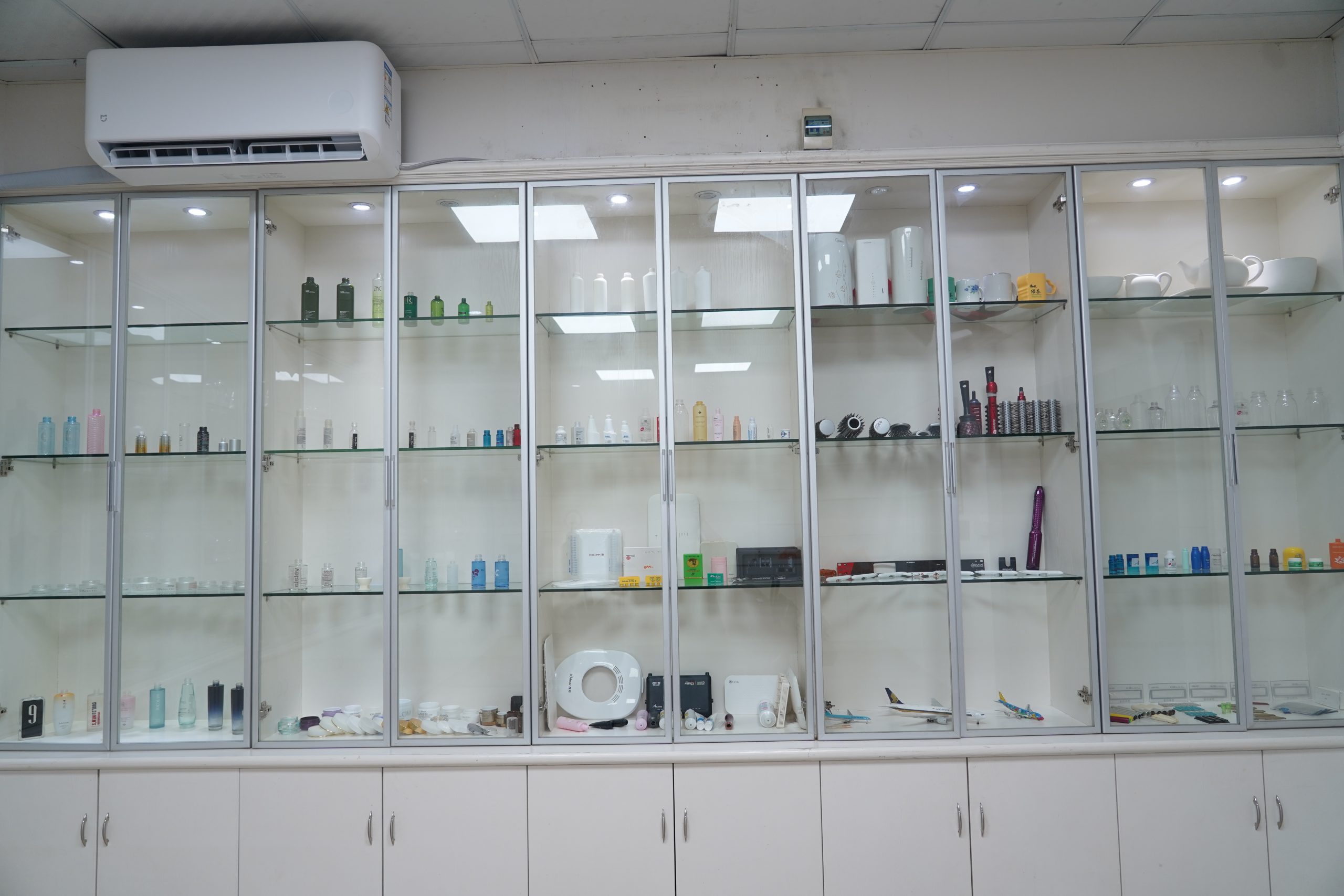
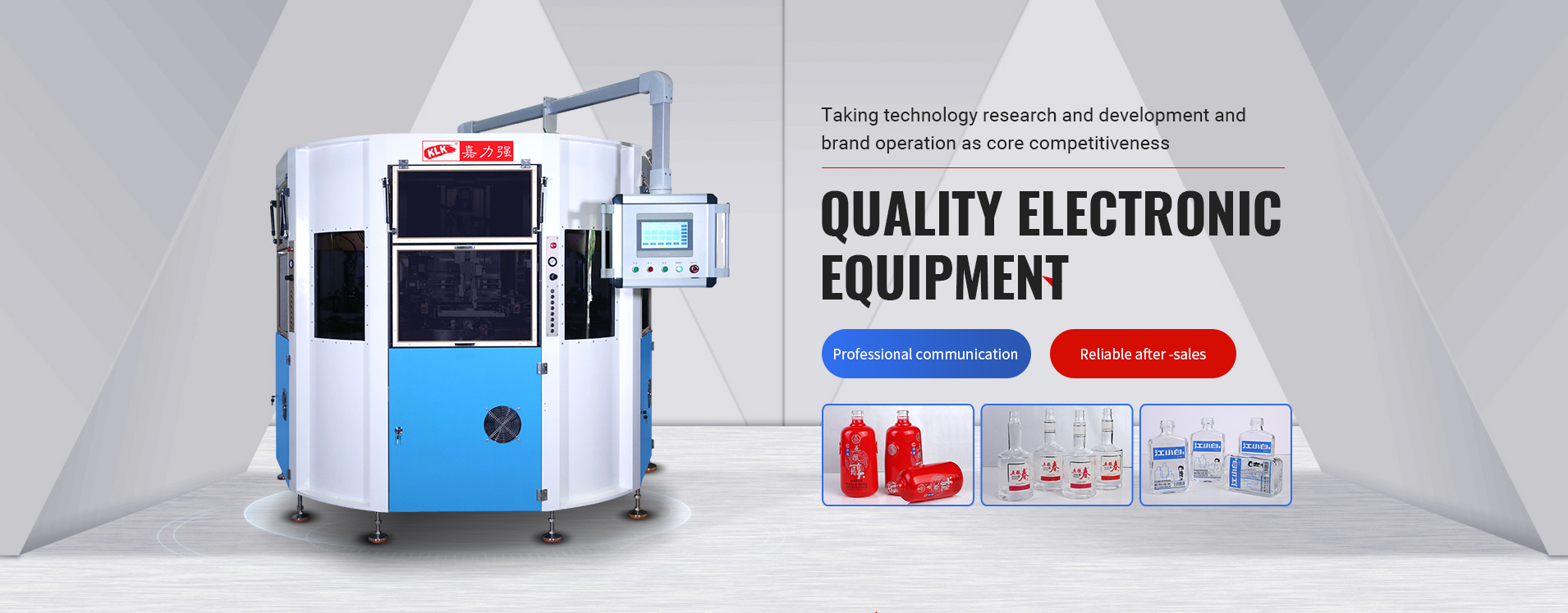
This combination allows the Automatic Screen Printing Machine to serve cosmetic bottles, glass containers, plastic packaging, electronic housings, and consumer products, replacing manual feeding and printing with automated cycles.
Key Benefits of Servo Control in Automatic Screen Printing Machines
1. Reduced Labor Dependency
Traditional printing setups require significant manual handling. KLK’s automatic screen printing systems integrate automatic loading systems that automate product feeding into the printer, directly reducing the need for manual operators. This labor reduction is achieved by combining automatic feeding and handling mechanisms, which lowers dependency on manual labor across the production line.
2. Improved Throughput and Production Speed
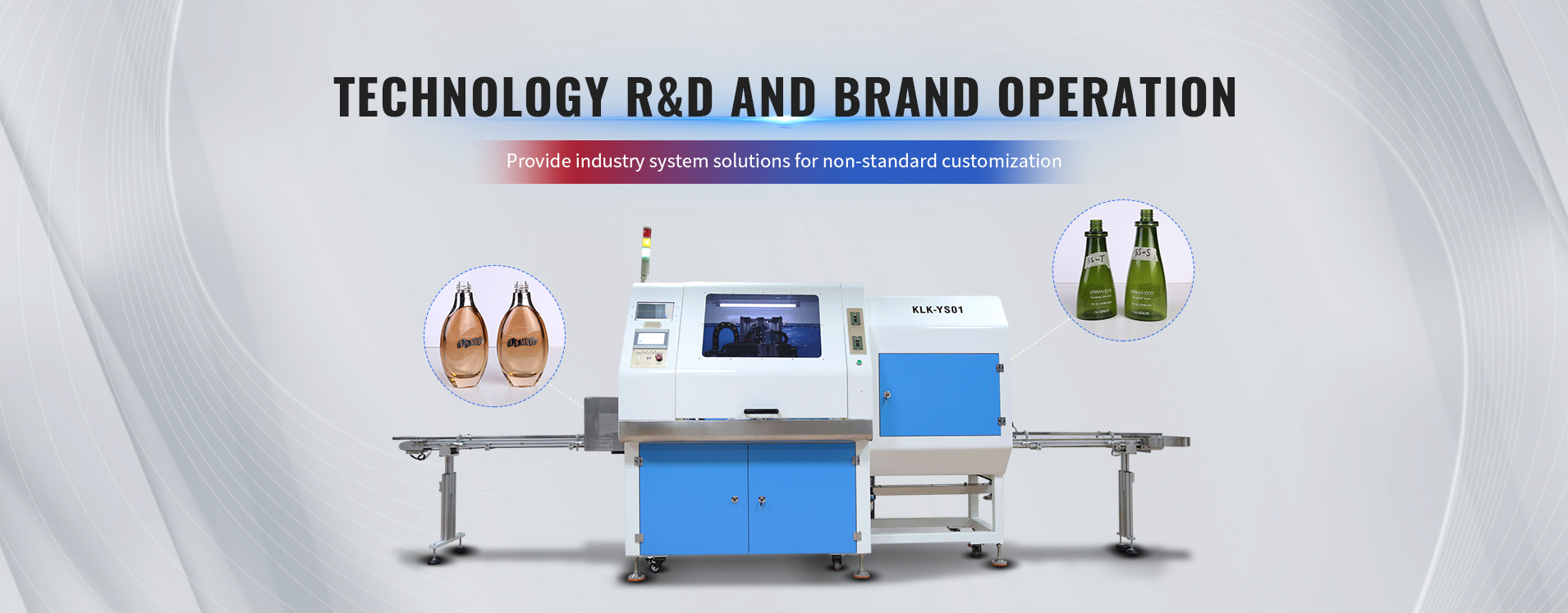
Throughput optimization is achieved through automated printing cycles that accelerate output compared to manual production methods. For high-volume needs, the Rotary Screen Printing Machine (available in Z103, Z082, and Z062 configurations) uses a continuous rotary mechanism to enable fast processing, addressing the pain point of low throughput in batch printing.
3. Precise Alignment Through CCD Vision Correction
One of the most persistent challenges in traditional printing is alignment registration errors on curved surfaces. KLK resolves this through CCD vision positioning, which identifies product orientation and corrects registration automatically. The KLKZS22 Automatic Screen Printing Machine exemplifies this approach, using CCD camera registration to perform automatic alignment correction and reduce manual setup errors, resulting in what the company describes as operational stability from integrated PLC and servo control.
4. Consistent Print Quality Through Servo Motion Control
Quality consistency is maintained through servo motion control, which minimizes variations between production runs. The Panasonic servo motor governs mechanical motion across the equipment line, ensuring that each printing pass follows the same precise path—an essential factor for manufacturers producing large batches of identical products.
5. Multi-Color and Multi-Station Capability
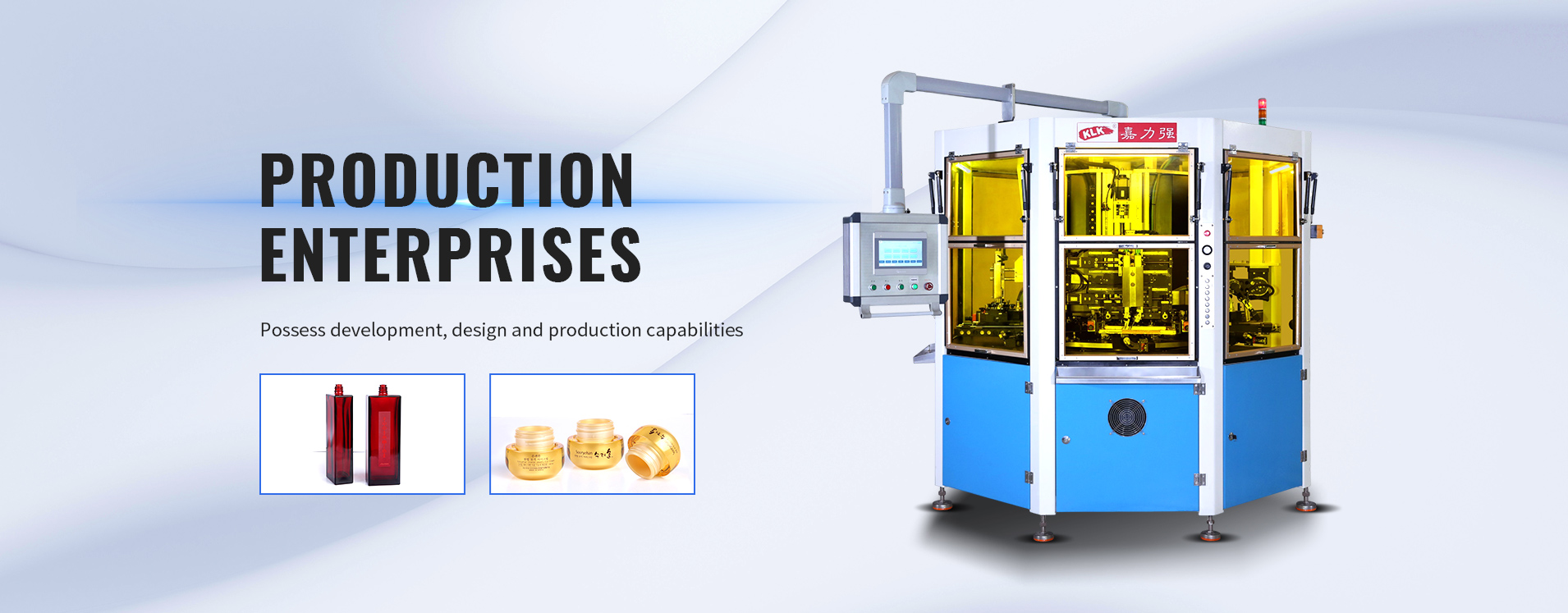
For products requiring layered branding, servo-controlled systems support multi-color printing capability, allowing multiple graphic passes to be applied accurately. The Rotary Screen Printing Machine line offers configurations such as the 10-Station 3-Color Configuration (Model Z103) for high-capacity multi-color printing and the 8-Station 2-Color Configuration (Model Z082) for multi-color bottle printing, giving manufacturers flexibility based on production volume and color complexity.
Verified Outcomes: Benchmark Case in Cosmetic Packaging
A cosmetic packaging manufacturer requiring multi-color printing on curved cosmetic bottles faced challenges with registration accuracy and manual adjustment during production. KLK deployed an automatic rotary screen printing machine with CCD alignment as the solution. According to the documented case results, this implementation helped the manufacturer improve registration accuracy and reduce manual adjustment times in bottle printing, ultimately increasing overall production efficiency. This case illustrates how servo-driven motion combined with CCD-based vision correction directly resolves the curved-surface alignment problem that traditional printing setups struggle with.
Beyond the Machine: Supporting Automation and Curing Systems
Servo-controlled screen printing does not operate in isolation. KLK complements its printing systems with:
- UV Curing Equipment, which uses high-intensity UV lamps to deliver rapid drying for UV inks, addressing slow ink drying times and reducing floor space requirements through inline integration with printing lines.
- Customized Printing Automation Systems, which connect automatic feeding mechanisms, product transfer modules, and multi-machine integration to unify printers, treatment stations, and curing ovens into a single workflow.
In a documented case, a plastic manufacturing facility experiencing bottlenecks from manual product transfer implemented a customized automated printing integration system. The result, as reported, was reduced manual handling requirements and a more stable printing process, ultimately improving production stability.
Service and Support Structure
KLK’s service model extends beyond equipment delivery. The company provides pre-sales application evaluation and machine selection guidance, matching flat products to screen printing machines, round bottles to rotary screen printing machines, irregular surfaces to pad printing machines, and high-end packaging decoration to hot foil stamping machines. Pricing is evaluated and custom-quoted based on product samples, engineering drawings, and custom printing automation requirements, rather than fixed catalog pricing.
After equipment is delivered, KLK offers installation guidance and technical support, along with remote debugging and parameter adjustment designed to accelerate troubleshooting and reduce equipment downtime. This remote technical assistance model is particularly relevant for servo-controlled systems, where precise parameter calibration between the Mitsubishi PLC, Panasonic servo motor, and CCD camera vision interface determines ongoing print accuracy.
Who Benefits Most from Servo-Controlled Screen Printing
Based on documented industry coverage, servo-controlled automatic screen printing machines are most relevant to:
- Cosmetic packaging producers requiring multi-color registration on curved containers.
- Electronics manufacturers needing precise, repeatable markings on housings.
- Plastic manufacturing operations seeking to reduce manual handling bottlenecks.
- Glass container producers requiring consistent alignment across production runs.
- Industrial component manufacturers printing on irregular or three-dimensional geometries.
Conclusion
Servo-controlled automatic screen printing machines directly target the core pain points of traditional printing: excessive manual labor, inconsistent alignment on curved products, and inability to handle irregular three-dimensional shapes at scale. By integrating Mitsubishi PLC control, Panasonic servo motors, and CCD camera alignment, manufacturers such as Shenzhen KLK Electronic Equipment Co., Ltd. demonstrate how this technology combination translates into measurable operational improvements—as shown in the cosmetic packaging registration case and the plastic manufacturing automation case. For manufacturers evaluating an upgrade from manual or semi-automated printing processes, servo-controlled systems offer a documented pathway toward improved production throughput, printing accuracy, product uniformity, and overall factory automation.
Related products
-
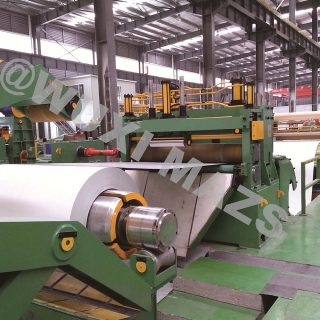
MA-(2~8MM)×1800MM Steel Coil Slitting Line
Contact UsMA-(2~8MM)×1800MM Steel Coil Slitting Line is mainly composed by the following components : uncoiler, guiding device
-
-
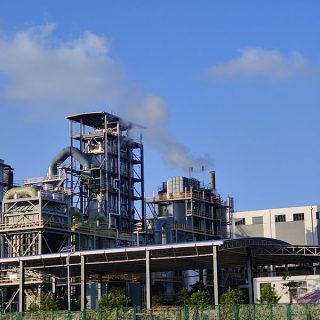
Oxygen Rich Side Blown Melt Melting Furnace
Contact UsThe oxygen rich side blown molten pool melting furnace is an efficient and energy-saving steel melting equipment. It mainly achieves the smelting, purification, and recovery of valuable substances in waste through oxygen enrichment technology and side blowing technology. Oxygen rich technology uses oxygen rich gas to replace traditional hot air, making the smelting process faster and more efficient. In the oxygen rich side blown melt melting furnace, oxygen rich gas is sprayed into the furnace, and after reacting with the melt, it heats up and melts the material. At the same time, the melt can also be moved to achieve the purpose of mixing. Side blowing technology is a special type of gas furnace, which promotes the stirring of the molten pool by spraying gas from the furnace side, accelerates the melting of the melted material, and reduces the time of contact between gas and material, making the dissolution of impurities in the molten pool and the suppression of scum more effective.
-
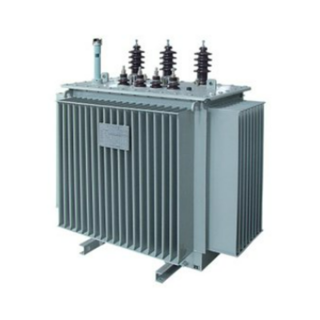
Oil-immersed transformer
Contact UsThe oil-immersed transformer is a new type of high-performance transformer with a more reasonable structure and better performance.
Reviews
There are no reviews yet.