
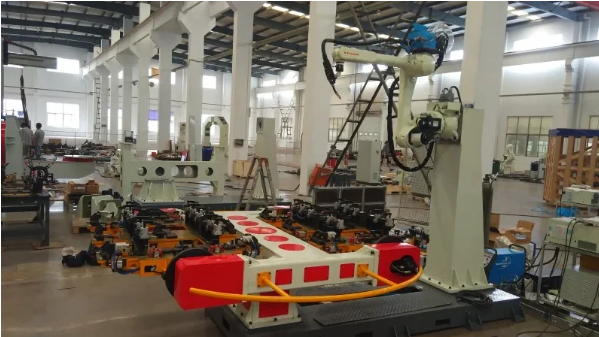
Robotic Welding Systems for Heavy Industry: Advanced Solutions for Large-Scale Fabrication
Heavy industrial fabrication requires high welding accuracy, stable quality, and efficient production. As projects become larger and more complex, traditional manual welding can make it difficult to
Heavy industrial fabrication requires high welding accuracy, stable quality, and efficient production. As projects become larger and more complex, traditional manual welding can make it difficult to maintain consistent results. Robotic welding systems provide an advanced solution by combining automation, precision control, and intelligent welding technology.
The Growing Demand for Robotic Welding
Industries such as shipbuilding, construction machinery, steel structures, mining equipment, railway manufacturing, and energy equipment often involve large components and thousands of welded joints. Robotic welding helps manufacturers improve production consistency while reducing variations caused by manual operations.
Key Features of Robotic Welding Systems
A modern robotic welding system can integrate industrial robots, welding power sources, controllers, positioners, sensors, and safety equipment. These components work together to automate workpiece positioning and welding operations, allowing manufacturers to achieve repeatable results across long production cycles.
Benefits for Large-Scale Fabrication
One of the main advantages of robotic welding is consistent weld quality. Once welding parameters are optimized, robots can repeat the same welding process with high accuracy. This can reduce defects, rework, and material waste while improving the overall quality of finished products.
Robotic systems can also increase production efficiency. Automated equipment can maintain stable welding speeds and reduce unnecessary downtime, helping manufacturers complete large fabrication projects more efficiently.
Advanced Technologies for Heavy Industry
Modern robotic welding solutions may include seam tracking, multi-axis motion control, intelligent welding parameter management, and offline programming. Seam tracking technology can help compensate for minor variations in workpiece positioning, while offline programming allows engineers to prepare and optimize welding programs without interrupting production.
Applications in Large-Scale Manufacturing
Robotic welding systems are suitable for many heavy industrial applications. They can be used to manufacture steel structures, ship components, construction machinery, pressure vessels, mining equipment, and energy-related structures. For oversized workpieces, robotic systems can also be combined with positioners, linear rails, or gantry systems to expand the working range.
Choosing the Right Robotic Welding Solution
When selecting a robotic welding system, manufacturers should consider workpiece size, material thickness, welding process, production volume, positioning requirements, factory layout, and future expansion needs. A properly designed system should meet current production demands while remaining flexible enough for future manufacturing changes.
Conclusion
Robotic welding systems are becoming an important part of modern heavy industrial fabrication. By combining robotic automation, intelligent welding control, precision positioning, and advanced sensing technologies, manufacturers can improve welding consistency, production efficiency, and overall manufacturing performance. For large-scale fabrication projects, investing in the right robotic welding solution can provide long-term value and help businesses remain competitive in an increasingly automated industry.
Related products
-
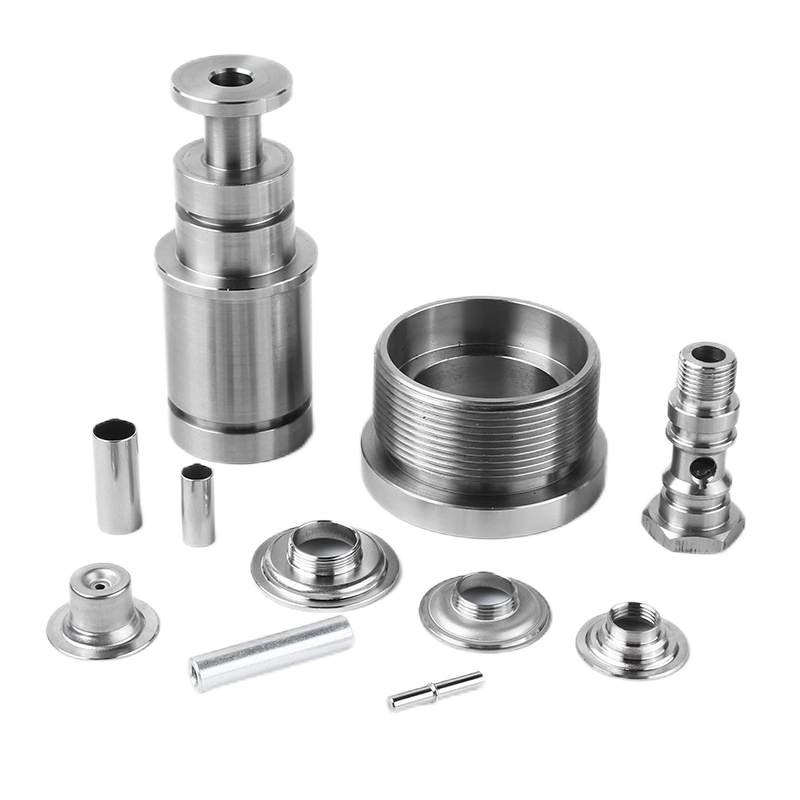
Machining + Turning axis parts
Contact Us✔ High Precision – Achieves tolerances as tight as ±0.005 in (±0.127 mm). ✔ Excellent Surface Finish – Typically 125–250 µin (3.2–6.3 μm Ra) without additional machining.
-
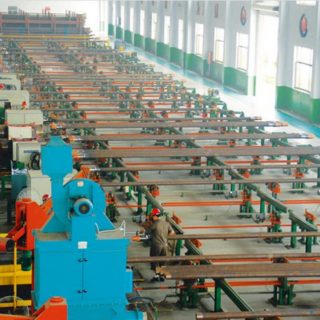
Drill pipe
Contact UsOur company can manufacture CHOKE MANIFOLD & KILL MANIFOLD with various sizes & pressure ratings strictly in conformity with API 16C standard.
-
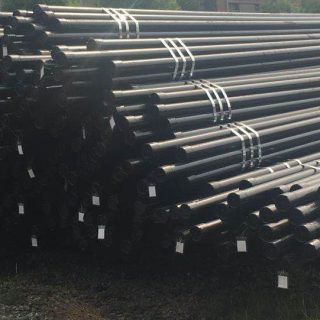
Tubing & Casing
Contact UsTubing and casing couplings are the joining of two short length pipes, mainly used for the connection and repair with the OCTG and downhole tools. Thread types: NU, EUE, Grade: J55, K55, N80-1, N80Q, L80-1, P110 etc..
-
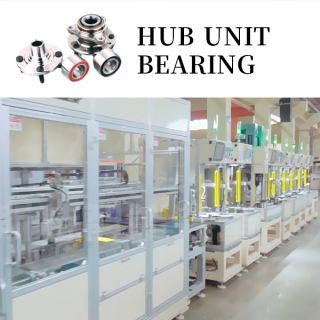
Semi-automatic Hub Bearing Unit Assembly Line
Contact Us● SMALL FOOTPRINT / QUICK CHANGEOVER / FLEXIBLE OPERATION / DATA TRACEABILITY
● FREE COMBINATION / SIMPLE OPERATION
Reviews
There are no reviews yet.