
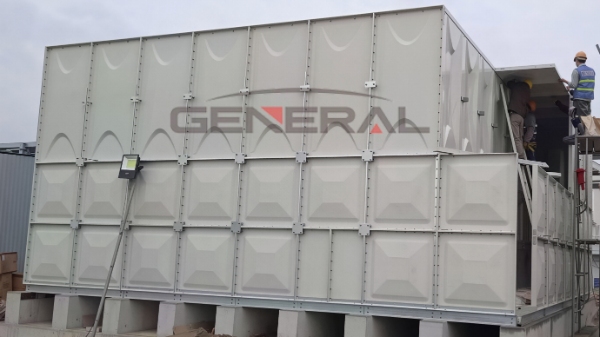
Professional SMC Material Manufacturer
General New Material is a trusted SMC/BMC manufacturer delivering high-performance, custom-formulated composite materials for automotive, rail transit, electrical, and industrial applications.
As industries continue to pursue lightweight designs, improved durability, and cost-efficient manufacturing solutions, advanced composite materials are playing an increasingly important role across multiple sectors. Among these materials, Sheet Moulding Compound (SMC) has emerged as one of the most versatile and high-performance options available for manufacturers seeking strength, corrosion resistance, electrical insulation, and design flexibility.
From automotive components and railway systems to electrical enclosures and municipal infrastructure, SMC materials are transforming the way industrial products are designed and manufactured.
What Is Sheet Moulding Compound (SMC)?
Sheet Moulding Compound, commonly known as SMC, is a fiber-reinforced composite material consisting primarily of unsaturated polyester resin, chopped glass fibers, fillers, catalysts, pigments, release agents, and various performance-enhancing additives.
The material is produced in sheet form and molded under heat and pressure to create high-strength components with complex geometries and excellent dimensional stability.
Compared with traditional materials such as steel, aluminum, and thermoplastics, SMC offers a unique combination of lightweight construction and superior mechanical performance.
Key Advantages of SMC Materials
Lightweight Yet Strong
One of the most significant advantages of SMC is its ability to reduce component weight while maintaining structural integrity.
Industries such as automotive manufacturing increasingly rely on lightweight materials to improve fuel efficiency, reduce emissions, and enhance overall system performance. SMC provides an excellent strength-to-weight ratio, making it a preferred alternative to traditional metal components.
Excellent Corrosion Resistance
Unlike metal materials that may corrode when exposed to moisture, chemicals, or harsh outdoor environments, SMC exhibits outstanding resistance to corrosion and weathering.
This makes SMC ideal for applications such as:
-
Electrical cabinets
-
Telecommunications enclosures
-
Water treatment equipment
-
Outdoor infrastructure
-
Municipal utility systems
Superior Electrical Insulation
Electrical insulation is one of the most valuable characteristics of SMC composites.
The material offers:
-
High dielectric strength
-
Low conductivity
-
Arc resistance
-
Tracking resistance
As a result, SMC is widely used in electrical distribution systems, switchgear housings, cable trays, and power equipment enclosures.
Flame Retardancy
Many industrial sectors require materials that comply with strict fire safety regulations.
Flame-retardant SMC formulations can achieve industry-recognized standards such as:
-
UL94 V0
-
UL94 V1
This makes SMC suitable for public transportation, electrical systems, and building applications where fire performance is critical.
Excellent Surface Finish
Modern SMC compounds can produce smooth, high-quality surfaces directly from the molding process.
Manufacturers benefit from:
-
Reduced finishing operations
-
Improved appearance
-
Enhanced paint adhesion
-
Class A surface quality for visible components
This capability is particularly valuable for automotive body panels and consumer-facing products.
Applications of SMC Across Industries
Automotive Industry
The automotive sector is one of the largest consumers of Sheet Moulding Compound materials.
Common applications include:
-
Exterior body panels
-
Battery enclosures for electric vehicles
-
Seat structures
-
Front-end modules
-
Structural reinforcement components
As electric vehicle production continues to expand globally, the demand for lightweight and durable SMC materials is expected to increase significantly.
Rail Transportation
Railway operators require materials that combine strength, safety, and long-term durability.
SMC is frequently used in:
-
Interior panels
-
Exterior covers
-
Electrical housings
-
Structural components
The material’s flame-retardant properties and low maintenance requirements make it particularly attractive for railway applications.
Electrical and Telecommunications Equipment
Electrical infrastructure must withstand environmental exposure while maintaining reliable insulation performance.
SMC materials are commonly found in:
-
Electrical cabinets
-
Distribution boxes
-
Switchgear enclosures
-
Communication equipment housings
-
Cable management systems
Their resistance to moisture and corrosion helps ensure long service life in demanding outdoor environments.
Building and Construction
Construction companies increasingly utilize SMC products because of their durability and low maintenance requirements.
Applications include:
-
Door panels
-
Water tanks
-
Building facades
-
Roofing components
-
Architectural structures
SMC materials provide excellent weather resistance while maintaining dimensional stability over time.
Municipal Infrastructure
Municipal projects often require robust materials capable of withstanding heavy loads and harsh environmental conditions.
Typical SMC applications include:
-
Manhole covers
-
Utility enclosures
-
Public facility components
-
Street infrastructure products
Compared with traditional materials, SMC offers lower lifecycle costs and improved corrosion resistance.
Medical and Educational Equipment
The excellent surface quality and dimensional precision of SMC make it suitable for specialized equipment manufacturing.
Applications include:
-
Medical equipment housings
-
Laboratory systems
-
Educational equipment
-
Technical training devices
These sectors benefit from the material's reliability, cleanliness, and long-term durability.
Why Manufacturers Are Switching to Custom SMC Formulations
Modern industrial applications often require materials tailored to specific performance requirements.
Leading SMC manufacturers now offer customized formulations that can provide:
-
Low-density lightweight solutions
-
High-strength structural grades
-
Flame-retardant compounds
-
Electrical-grade SMC materials
-
Weather-resistant formulations
-
Custom colors and surface finishes
Customized SMC compounds allow manufacturers to optimize performance while reducing production costs and improving product reliability.
SMC and the Future of Sustainable Manufacturing
Sustainability has become a major focus across global manufacturing industries.
SMC contributes to sustainability goals through:
-
Lightweight designs that reduce transportation energy consumption
-
Long product lifespans
-
Reduced maintenance requirements
-
Efficient mass-production processes
-
Material optimization for electric vehicles and renewable energy systems
As industries seek environmentally responsible alternatives to traditional materials, SMC composites are positioned to play a key role in future product development.
Selecting the Right SMC Material Supplier
Choosing a reliable SMC manufacturer is critical for ensuring product quality and consistent performance.
Key factors to consider include:
-
Production capacity
-
Quality management systems
-
Technical support capabilities
-
Custom formulation expertise
-
Industry certifications
-
Application engineering experience
A professional supplier should be able to provide material recommendations, prototype support, testing assistance, and scalable production solutions to meet evolving market demands.
Conclusion
Sheet Moulding Compound has become one of the most important composite materials in modern manufacturing. Its combination of lightweight properties, mechanical strength, electrical insulation, corrosion resistance, and design flexibility makes it suitable for a wide range of industrial applications.
Whether used in automotive systems, rail transportation, electrical infrastructure, municipal projects, or advanced industrial equipment, SMC materials continue to help manufacturers improve product performance while reducing overall production costs.
As demand for durable, lightweight, and sustainable materials grows worldwide, Sheet Moulding Compound is expected to remain a key solution for next-generation industrial innovation.
Related products
-
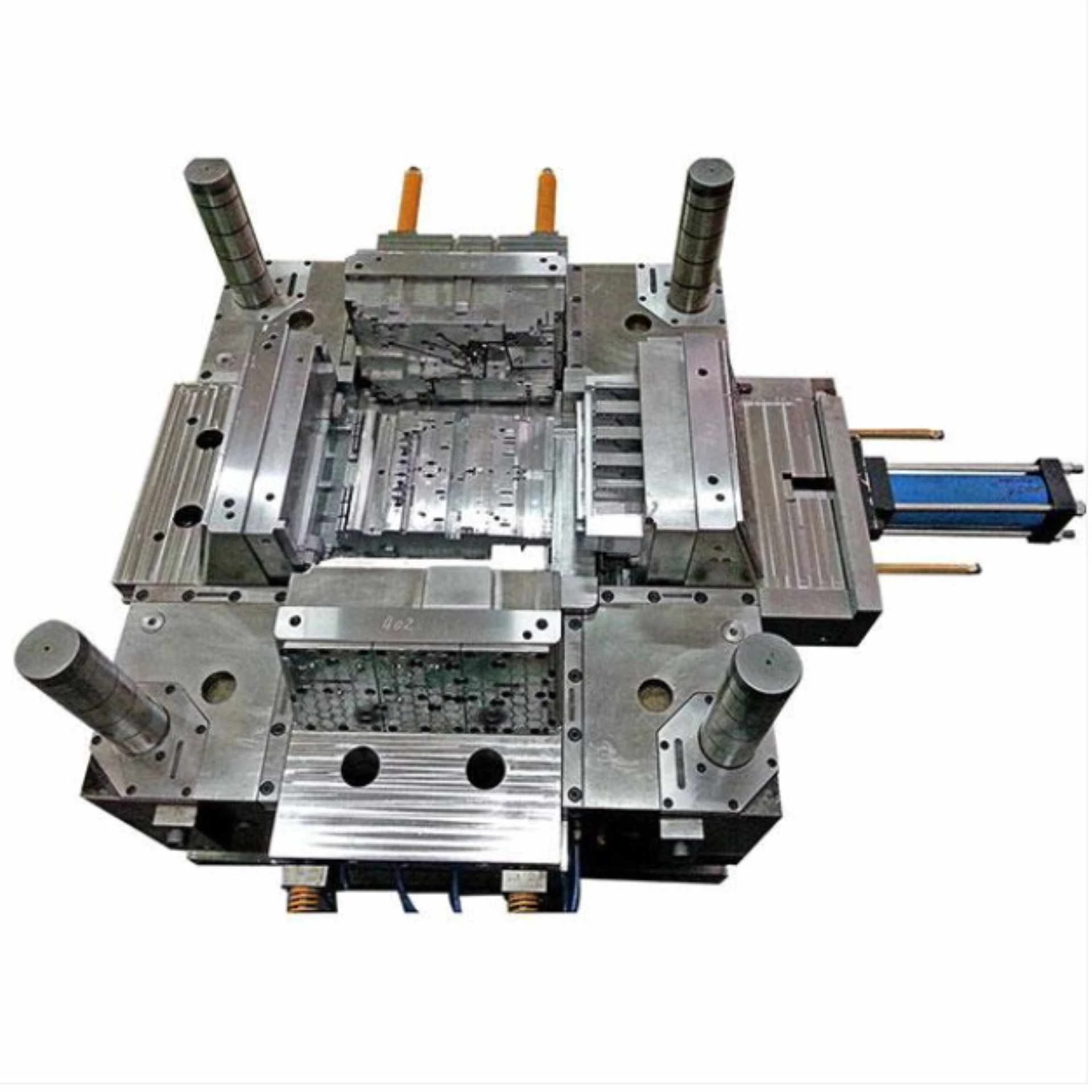
Composite Printer Metal Mold
Contact UsXuzhong Technology (Shenzhen) Co., Ltd. is located in Shenzhen, China, adjacent to Hong Kong. We are a company focusing on exporting mold business.
-
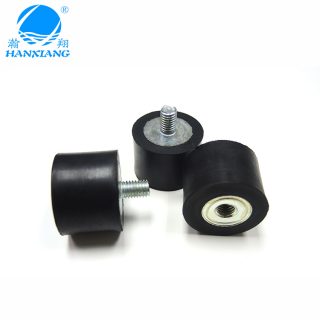
Rubber Pad for Motor Mounts Rubber Shock Absorber anti-vibration | Vibration Transmission Rate <15%
Contact UsRubber Pad for Motor Mounts Rubber Shock Absorber anti-vibration | Vibration Transmission Rate <15%
-

Reinforced Aluminum Foil Tape
Contact UsReinforced aluminum foil tape with high tensile strength, barrier protection, and flexible handling.
-
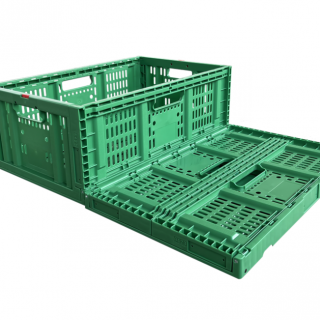
Model ZJTY604021W-BS Foldable Vented Plastic Crate for Fruit and Vegetable Storage and Logistics.
Contact UsModel ZJTY604021W-BS Foldable Vented Plastic Crate for Fruit and Vegetable Storage and Logistics.
Reviews
There are no reviews yet.