
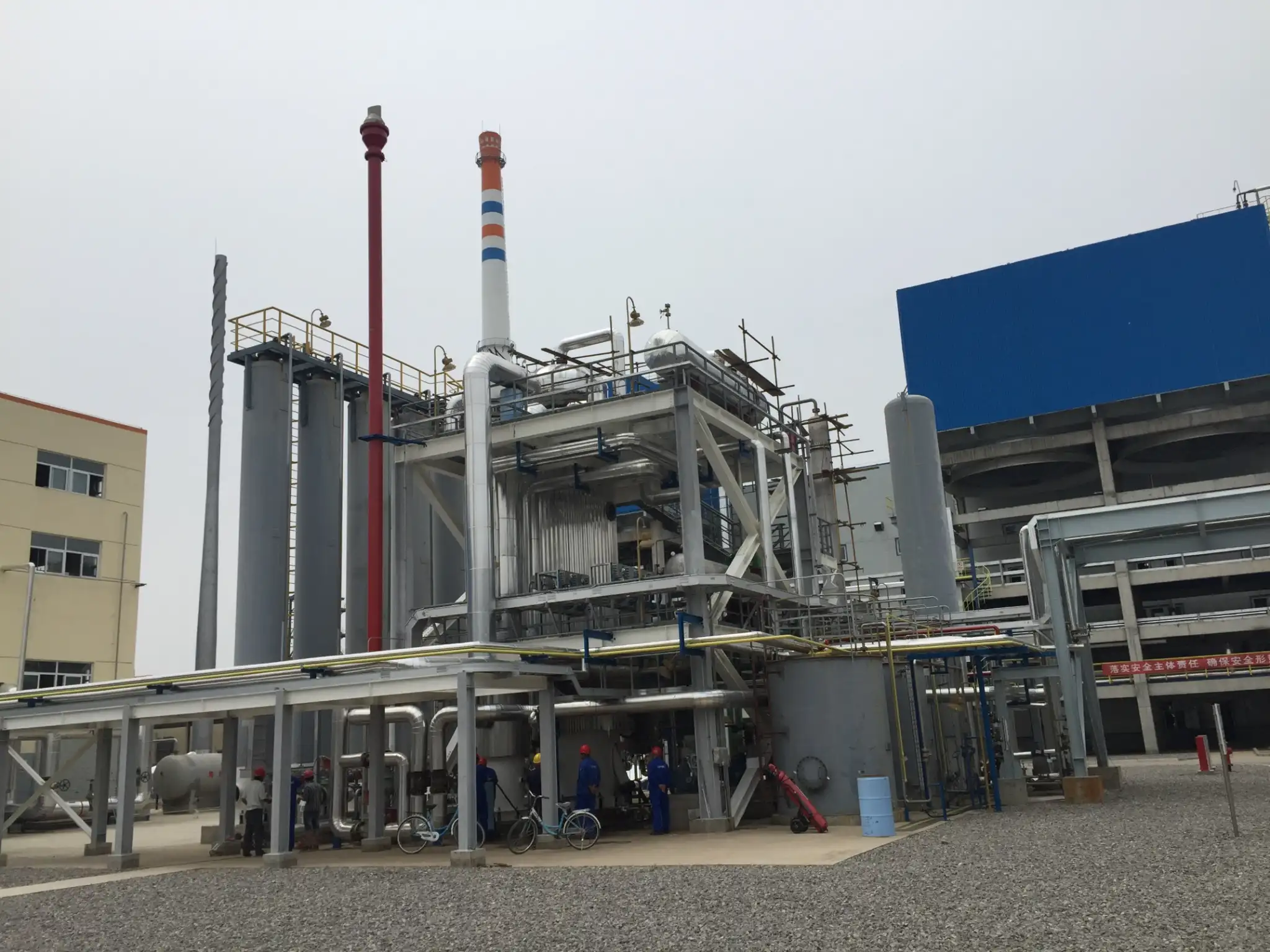
Methanol decomposition to hydrogen
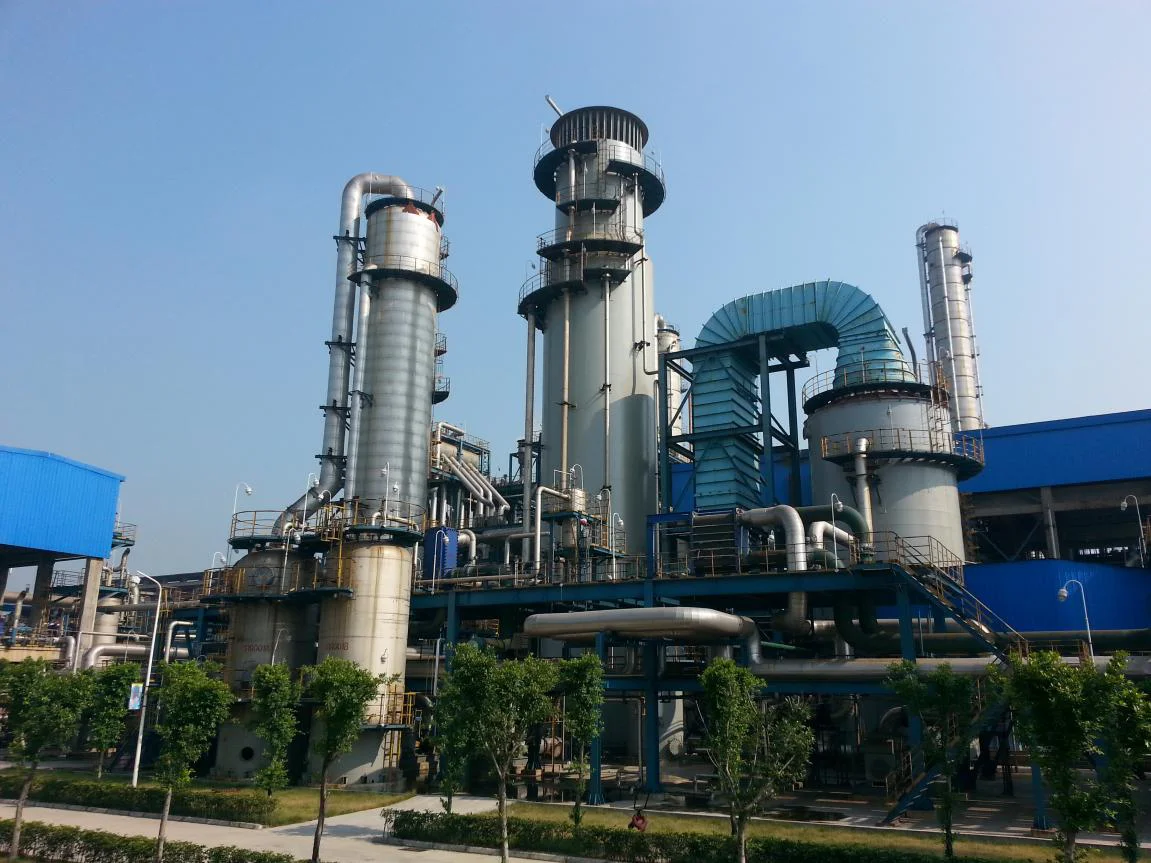
This process uses methanol and demineralised water from convenient sources as raw materials, which are catalytically converted over a specialised cata…
I. Process Overview
The methanol hydrogen production process utilizes methanol and demineralized water as feedstocks. Under operating temperatures of 220–280°C, a specialized catalyst facilitates methanol conversion and steam reforming to generate hydrogen-rich process gas containing primarily hydrogen and carbon dioxide.
Main Chemical Reactions
Methanol decomposition:
CH₃OH → CO + 2H₂ ΔH = +90.7 kJ/mol
Water-gas shift reaction:
CO + H₂O → CO₂ + H₂ ΔH = −41.2 kJ/mol
Overall reaction:
CH₃OH + H₂O → CO₂ + 3H₂ ΔH = +49.5 kJ/mol
Side reactions:
2CH₃OH → CH₃OCH₃ + H₂O
CO + 3H₂ → CH₄ + H₂O
Note: The reaction enthalpy values for the side reactions require verification against the original process design data.
Converted Gas Composition
Following the conversion stage, the process gas is cooled and condensed to remove condensable components. The reported gas composition is as follows:
| Component | Reported Content |
|---|---|
| Hydrogen (H₂) | 73–74% |
| Carbon dioxide (CO₂) | 23–24.5% |
| Carbon monoxide (CO) | Approximately 1.0% |
| Methanol (CH₃OH) | 300 ppm |
| Water (H₂O) | Saturated |
The converted gas can be further processed using pressure swing adsorption (PSA) to separate hydrogen from other gas components and achieve the required product purity.
Methanol conversion and PSA purification have been applied in industrial hydrogen production projects in China. Operating experience has demonstrated the process's practical operability and potential for stable continuous production when the system is properly designed and maintained.
II. Process Features and Advantages
1. Integrated Methanol Conversion
A specialized catalyst enables methanol decomposition and conversion reactions to take place within an integrated process, simplifying the overall process configuration.
2. Pressurized Operation
The conversion process operates under pressure, allowing the resulting gas to be supplied to the downstream PSA separation unit without an additional pressurization step, subject to the pressure requirements of the complete system. This arrangement can reduce auxiliary energy consumption.
3. Energy Efficiency and Process Economics
Compared with water electrolysis, the process is reported to reduce electricity consumption by more than 90% and production costs by approximately 40–50%, depending on the project configuration, energy prices, feedstock costs, and operating conditions.
Compared with coal gasification, methanol-based hydrogen production features a comparatively straightforward process flow and can be suitable for small- and medium-scale installations. Coal gasification may offer lower feedstock costs in certain circumstances, but typically involves more complex processing, higher investment requirements, and additional gas cleaning to address sulfur compounds and other impurities.
4. High-Performance Catalytic System
The specialized catalyst is designed to provide high catalytic activity, favorable selectivity, relatively low operating temperatures, and an extended service life under appropriate operating conditions. These characteristics support efficient conversion and help reduce catalyst replacement and maintenance requirements.
5. Heat Transfer Oil Circulation
Heat transfer oil serves as the circulating heat-transfer medium to supply the thermal energy required by the conversion process. This configuration meets the process heating requirements while helping control equipment investment and energy consumption, contributing to lower operating expenses.
III. Typical Project Performance
The following data are based on the original project records provided.
| No. | Project / Customer | Reported Capacity | Feedstock | Hydrogen Purity | Process / Separation Method |
|---|---|---|---|---|---|
| 1 | Datang Electric Power and Chemical Company | 10,000 Nm³/h | Methanol tail gas | 99.9% | PSA (5.0 MPa.G) |
| 2 | Taizhou Petrochemical Company | 700 Nm³/h | Methanol | 99.99% | Methanol cracking + PSA |
| 3 | Shandong Dongming Yuhuang Chemical Co., Ltd. | 400 Nm³/h | Methanol | 99.99% | Methanol cracking + PSA |
| 4 | Shandong Boxing Huarun Oil & Fat Co., Ltd. | 1,000 Nm³/h | Not specified in the available data | Not specified | Not specified |
Project data are reproduced from the supplied information. Confirm the feedstock, process configuration, product purity, and operating pressure for each project before publication.
IV. Application and Hydrogen Purification
Methanol-based hydrogen production is suitable for industrial users requiring a hydrogen supply generated through catalytic conversion and downstream gas separation.
Typical process configuration:
-
Feedstock supply: Methanol and demineralized water.
-
Catalytic conversion: Conversion of methanol and water into hydrogen-rich process gas.
-
Cooling and condensation: Cooling the converted gas and removing condensable components.
-
PSA purification: Separating hydrogen from carbon dioxide, residual carbon monoxide, and other impurities.
-
Product hydrogen: Supplying purified hydrogen at the purity and delivery pressure specified for the project.
Actual hydrogen recovery, final purity, production capacity, and delivery pressure depend on the feed gas composition, conversion conditions, PSA design, and overall system configuration.
Related products
-
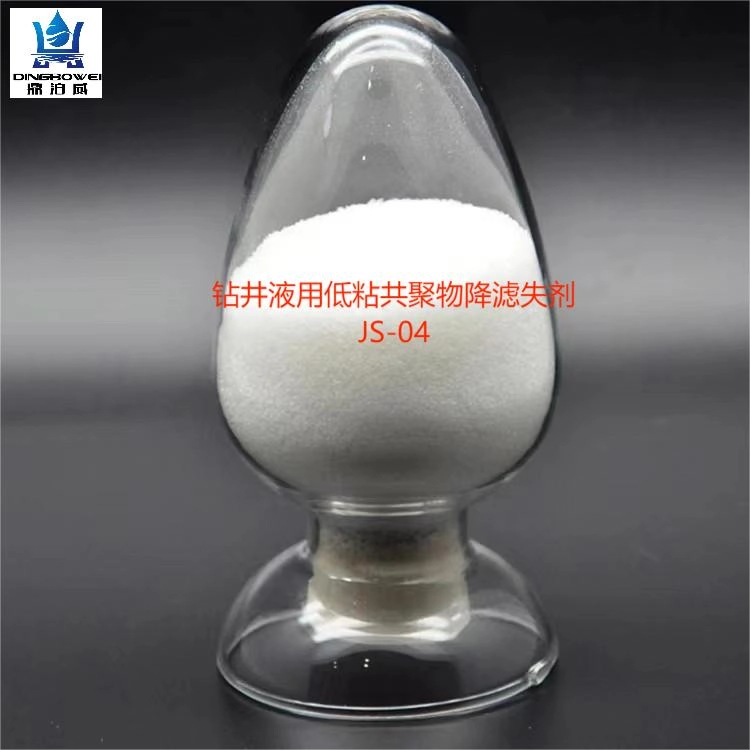
JS-04 Low Viscosity Polymer Filtration Reducer
Contact UsJS-04 is the polymer fluid loss additive of amphoteric and temperature and salt resistance using redox initiator system by AM, AA, AMPS, SA and DMDAAC with water as solvent. DF-03 can reduce the filtration loss, improve the mud cake quality, has good ability of high temperature resistance, salt and calcium contamination resistance. DF-03 has low viscosity to mud system due to narrow molecular weight scale. It is especially suitable for freshwater, saltwater, seawater drilling and completion fluids. The recommend dosage is 3.0 – 7.0ppb.
-
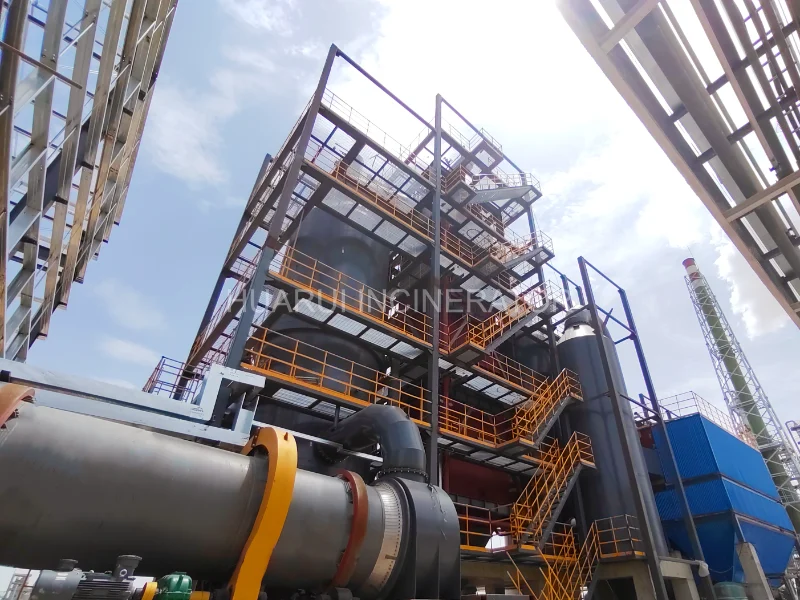
Solid-liquid incinerator project for Ningxia
Contact UsThis project is a 10,000 tons/year hazardous waste incineration device for Ningxia, which is used for incineration and treatment of hazardous waste produced by our factory.
-
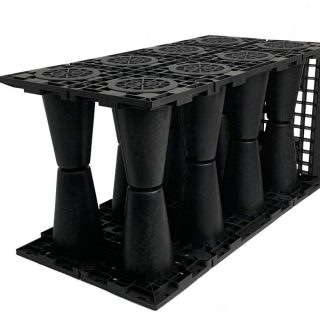
PP Rainwater Module 35T(Black)
Contact UsPP plastic modules are injection-molded from polypropylene. They can be interconnected to form an underground water storage tank.
-
Refinery dry gas tail gas hydrogen
Contact UsRefinery dry gas refers to various tail gases by-produced during the crude oil production process, including catalytic cracking dry gas, coking dry ga…
Reviews
There are no reviews yet.