
MASUMA Oil Filter Catalog: OE-Grade Filtration Explained
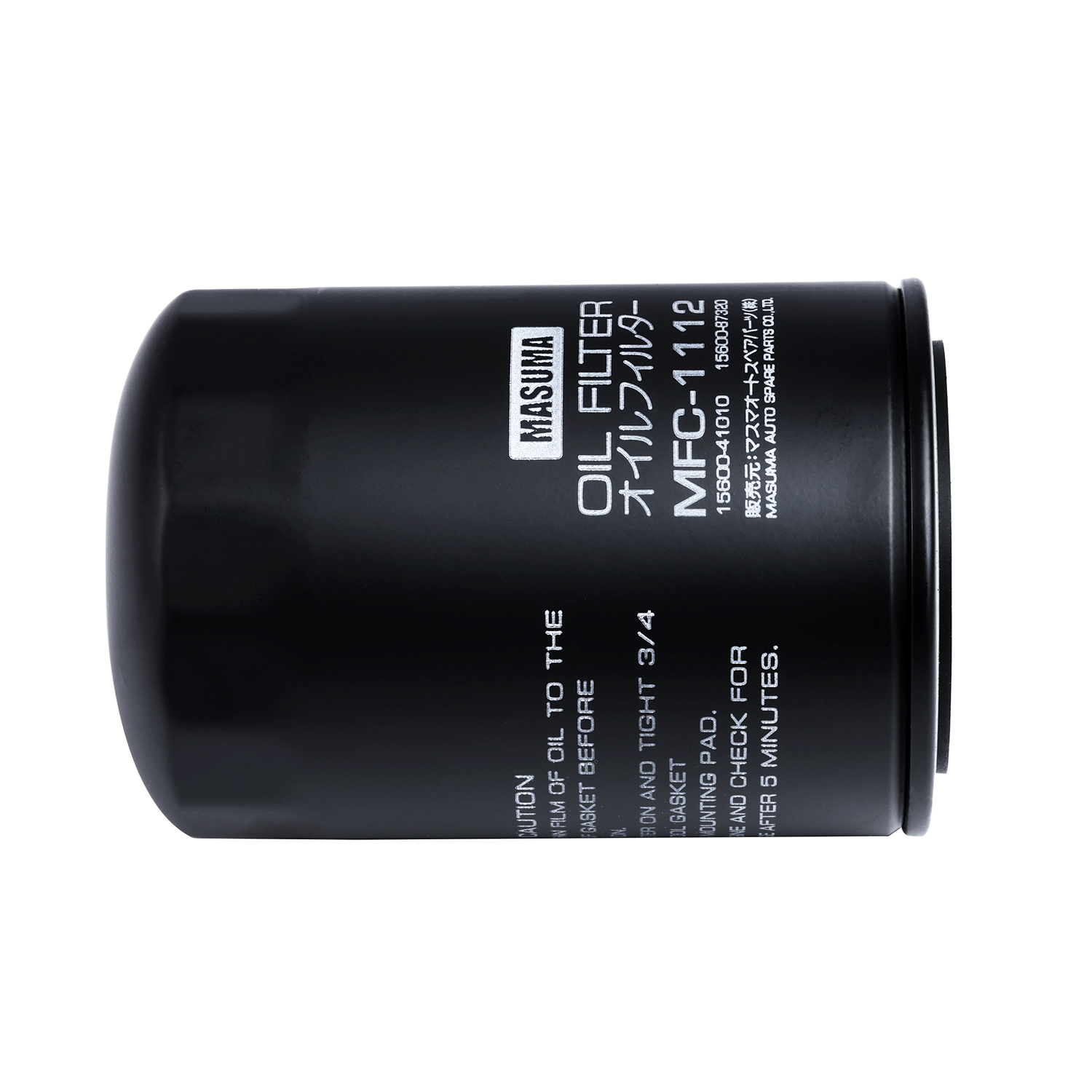
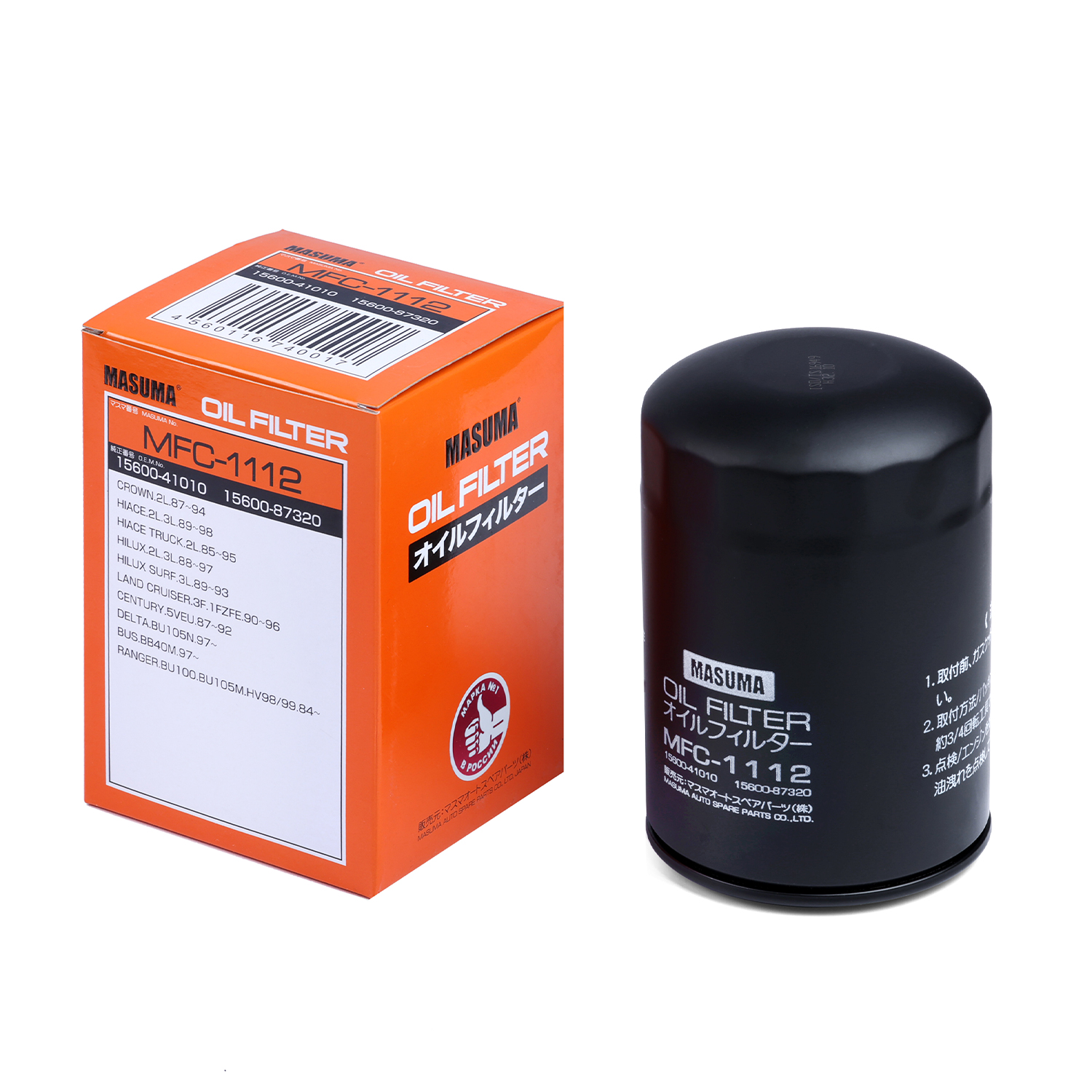
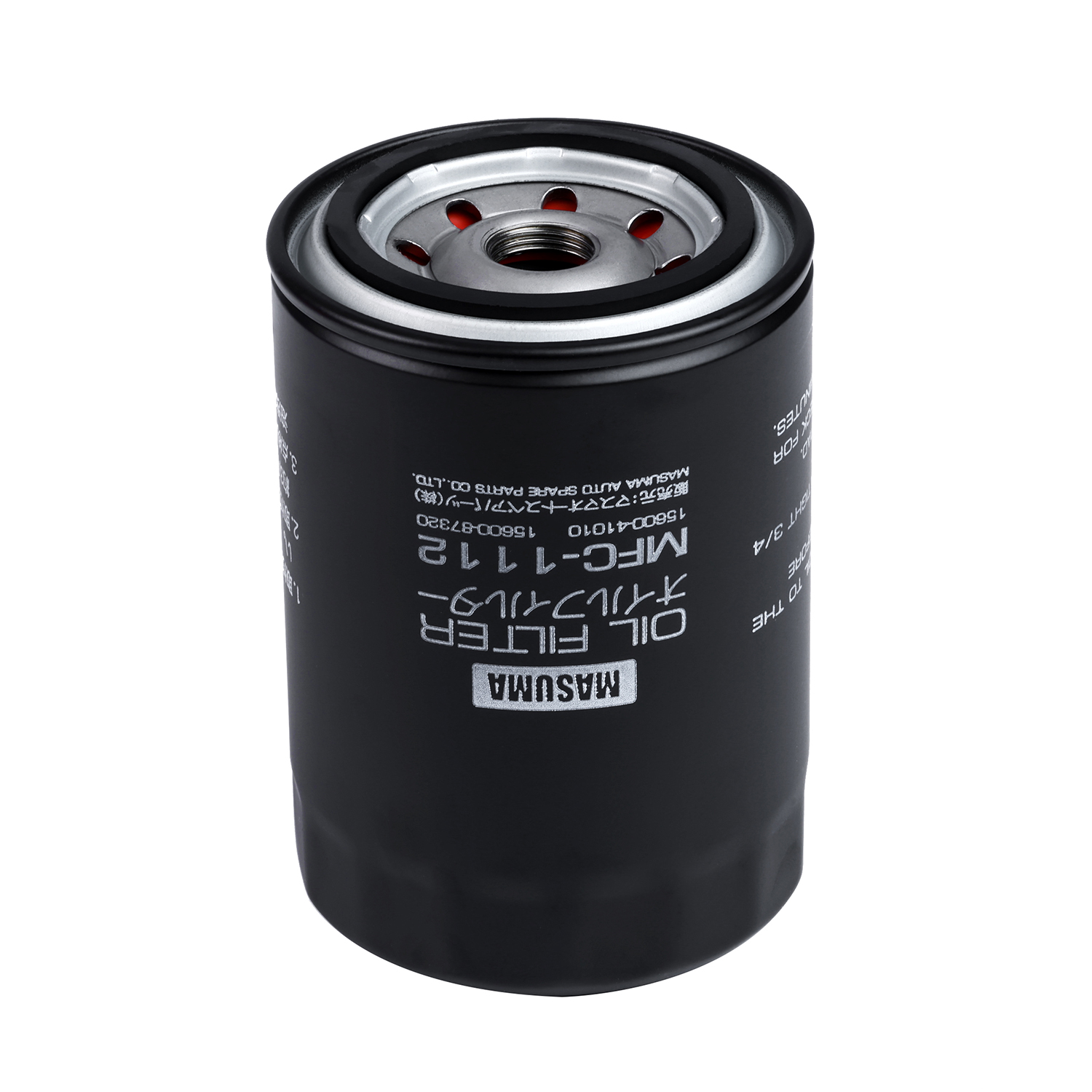
MASUMA Oil Filters deliver reliable engine protection by removing contaminants from engine oil.
Understanding the MASUMA Oil Filter Catalog
For maintenance professionals and vehicle owners searching for a reliable MASUMA oil filter , the starting point is understanding why oil filtration remains one of the most critical maintenance categories in automotive care. According to industry pain point analysis, over 95% of transmission failures are caused by high temperatures or neglected maintenance, and engines and transmissions are susceptible to damage from iron filings, sediment, airborne particles, and high-temperature oxidation products. This context frames the purpose of MASUMA’s filtration product line: to provide components that match original part specifications and support vehicle longevity, performance, and occupant safety.
MASUMA positions itself as a manufacturer of automotive filtration solutions, and its oil filtration segment is a core part of a broader 14-product filtration matrix that spans transmission, battery, cabin, air, and fuel filtration categories in addition to oil filters.
Why Oil Filtration Matters for Engine Longevity
Oil filtration exists to protect engines from wear caused by lubricant impurities and from damage that can occur during cold starts. Contaminants circulating in engine oil—whether from internal wear particles or external debris—accelerate mechanical degradation if left unfiltered. This is the underlying rationale for the oil filtration product line within the MASUMA catalog: minimizing mechanical wear through consistent lubricant purification.
The technical benchmark disclosed for this category is an oil filtration efficiency of 90% or higher, a metric that applies across the oil filter products in the catalog.
Inside the MASUMA Oil Filter Catalog: Spin-on and Paper Element Options
The MASUMA oil filter catalog includes two primary product types, each addressing distinct vehicle needs.
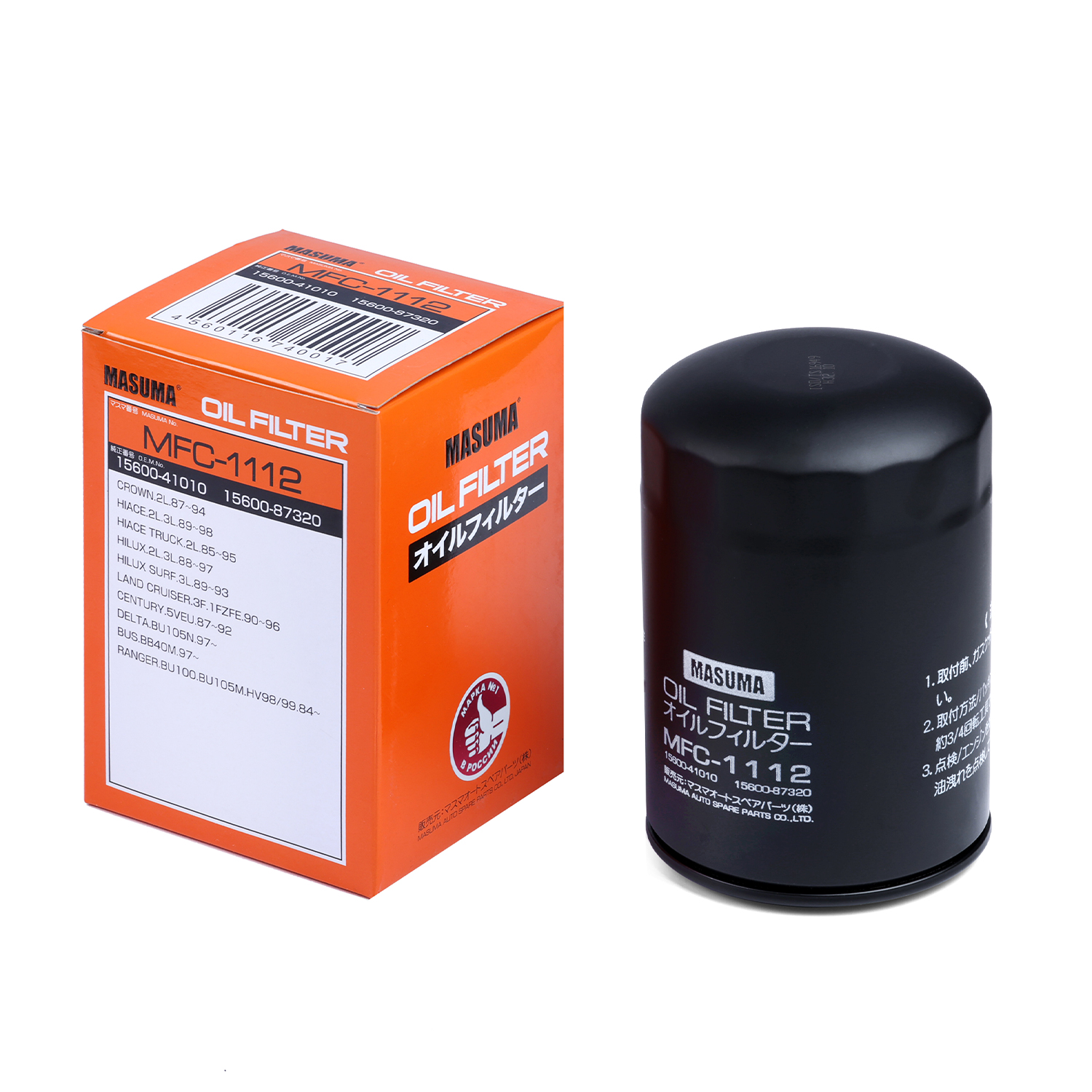
Spin-on Oil Filter
The Spin-on Oil Filter is positioned as a high-pressure resistant external engine oil purifier. It directly addresses engine wear from lubricant impurities and the risks associated with cold starts. Two functional features define its differentiated value:
- Engine Protection: A bypass valve prevents dry grinding during emergency clogs, ensuring the engine is not starved of lubrication even if the filter becomes blocked.
- Start-up Safety: An anti-leakage check valve prevents lubricant backflow, protecting the engine during instant start-ups.
On the construction side, the Spin-on Oil Filter uses a galvanized steel shell for corrosion and blast resistance, and its threads are cold-extruded and ultrasonic cleaned, achieving 100% verticality. The filtration media itself is composed of mixed fibers delivering the stated 90%-plus filtering efficiency.
Paper Element Oil Filter
The Paper Element Oil Filter is positioned as an eco-friendly internal engine oil filter designed for high-end and powerful engines. Its target scenario addresses filter deformation under high suction conditions typical of large displacement engines. Two differentiators stand out:
- High Holding Capability: Japanese Awa paper provides superior firmness to resist bending under suction pressure.
- Gradient Filtration: German third-generation material applies multi-layer gradients to achieve high filtration accuracy.
Structurally, this filter uses nano-glass fiber with an average pore size of 78.9u for high precision, paired with a specialized heat-resistant nylon mesh suited for high-displacement European and American engines.
Materials and Manufacturing Standards Behind Every Filter
A distinguishing characteristic across the MASUMA oil filter catalog—and the broader filtration matrix—is the consistent use of high-specification materials. These include DuPont PA66, Japanese Awa filter paper, German non-plant fibers, and Korean high-performance composite materials. This materials strategy is paired with a technology platform integrating multi-layer gradient composite filtration and electrostatic adsorption technology, though the electrostatic element is more directly associated with cabin and battery filtration lines.
On the testing side, MASUMA states the use of advanced testing procedures including gas tightness testing, flow resistance testing, relaxation testing, product pressure drop testing, and burst testing. These procedures are relevant validation steps for oil filter performance, since pressure drop and burst resistance directly relate to how a spin-on or paper element filter performs under real engine operating conditions.
Design Philosophy: OE Standard Fitment
A recurring theme across the MASUMA oil filter catalog is adherence to original equipment (OE) standard sizes. Products are designed according to OE standard sizes for seamless in-situ installation, meaning replacement filters are intended to fit existing housings without modification. This is reflected explicitly in the Spin-on Oil Filter’s structural design and in the Paper Element Oil Filter’s nylon mesh sizing for specific engine categories.
This OE-alignment strategy connects to MASUMA’s stated value proposition: delivering filtration solutions that restore vehicle power, improve speed, enhance driving comfort, and minimize extensive mechanical repairs through superior contaminant separation.
Beyond Oil Filters: A Complete Filtration Ecosystem
While the oil filter catalog addresses lubrication system protection, it operates within a wider filtration ecosystem that includes transmission filters, battery filters, cabin filters (environmentally friendly and activated carbon variants), air filters (PU, oil-soaked PU, PP non-woven, eco-friendly, and bucket types), and fuel filters (gasoline, diesel, and gas variants). This breadth allows maintenance professionals and fleet operators to source multiple filtration categories from a single catalog structured around consistent OE-fitment principles.
MASUMA’s service scale reflects a global range of models, supporting fitment for most mass-produced vehicle models worldwide—an important consideration for aftermarket buyers evaluating catalog coverage before committing to a supplier.
Maintenance Guidance and Replacement Intervals
The MASUMA oil filter catalog is supported by defined after-sales guidance. Specified replacement interval recommendations range from 5,000 km to 80,000 km depending on filter type, and installation guidance is provided alongside these interval recommendations. For oil filters specifically, replacement timing should align with a vehicle’s lubrication service schedule, since filtration efficiency and structural integrity (particularly bypass valve function in spin-on filters) are time- and mileage-sensitive.
Data security and compliance considerations also extend into material safety: Volatile Organic Compound (VOC) volatilization levels are stated to comply with EU standards, which is relevant to cabin-adjacent filtration but also signals a broader manufacturing compliance posture across the catalog.
Who Should Consult the MASUMA Oil Filter Catalog
The stated customer base for MASUMA products includes passenger vehicle owners, commercial fleet operators, European/American high-end car owners, and maintenance professionals, operating across automotive manufacturing, aftermarket maintenance, and transportation industries. For maintenance professionals specifically, the catalog’s dual offering—spin-on for external, high-pressure applications and paper element for internal, high-displacement engine applications—provides a structured way to match filter type to vehicle category rather than relying on a single generic solution.
In summary, the MASUMA oil filter catalog is built around two core products, each engineered with distinct materials and safety mechanisms, but both grounded in the same underlying principles: OE-standard fitment, documented filtration efficiency of 90% or higher, and construction from high-specification materials sourced internationally. These characteristics position the catalog as a reference point for buyers evaluating oil filtration components against original equipment benchmarks, particularly when repair reduction, performance restoration, and long-term engine protection are the primary decision criteria.
Related products
-
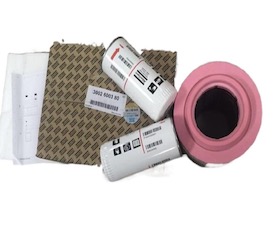
ATLAS COPCO 3002600380 AIR/OIL FILTER KIT
Contact UsWe are ATLAS COPCO 3002600380 AIR/OIL FILTER KIT supplier and provide replacement parts for major air compressor manufacturers. Please feel free to contact us at henry.guan@foxmail.com with any questi
-

Oblique Cut Lamination
Contact UsShearing is a common cutting method for silicon steel sheets. Silicon steel is sheared with a carbide blade, which can cut the required size and shape. Shear method on the thermal impact of silicon steel core is small, the kerf is smoother, but the shear force is more damage, easy to produce deformation and burr. Therefore, the shear method is suitable for cutting smaller lamination, the requirement of surface flatness is not too high occasions.
Our company has introduced advanced oblique cut equipment, which is able to cut large silicon steel core to meet more needs of customers. -

Golf Cart Modification and Installation Wiring Harness
Contact UsGolf cart, headlight wiring harness, brake adapter wiring harness
-
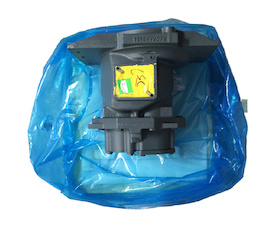
ATLAS COPCO OIS I-04 C80 VSD+ 1616772590
Contact UsWe are ATLAS COPCO OIS I-04 C80 VSD+ 1616772590 supplier and provide replacement parts for major air compressor manufacturers.
Reviews
There are no reviews yet.