
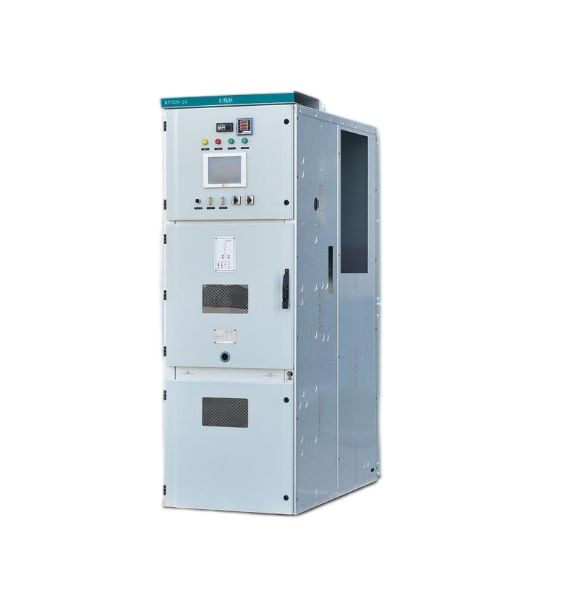
KYN28-24 New Armored Removable AC Metal-Enclosed Switchgear
The KYN28-24 Armored Removable AC Metal-Enclosed Switchgear (hereinafter referred to as the switchgear) is suitable for indoor three-phase 50/60Hz, rated voltage 24kV power systems. It is mainly applied in power plants, substations, industrial and mining enterprises, and high-rise buildings for receiving and distributing electrical energy, as well as controlling, protecting and monitoring circuits.
Medium voltage switchgear plays an essential role in modern power distribution systems. It is used to control, protect, and isolate electrical equipment in industrial facilities, commercial buildings, substations, and other power infrastructure projects. Selecting the right switchgear requires careful consideration of rated voltage, current capacity, short-circuit performance, insulation characteristics, and environmental operating conditions.
For power distribution systems operating at 24kV, switchgear must provide reliable electrical performance while maintaining sufficient safety margins under normal and fault conditions. Understanding its technical specifications is therefore important for electrical engineers, project contractors, equipment distributors, and power system operators.
This article examines the key operating conditions and technical parameters of 24kV medium voltage switchgear, explaining how these specifications influence equipment selection and practical applications.
1. Understanding the Role of 24kV Medium Voltage Switchgear
Medium voltage switchgear is designed to manage electrical power distribution at medium voltage levels. Its main functions include switching electrical circuits, protecting equipment against abnormal operating conditions, and isolating sections of a power system for inspection or maintenance.
In a typical power distribution network, switchgear works alongside transformers, circuit breakers, protection relays, busbars, and other electrical components.
A 24kV switchgear system is commonly considered for applications where medium voltage power needs to be distributed safely and efficiently.
Typical application environments include:
-
Industrial manufacturing facilities
-
Electrical substations
-
Commercial and residential distribution networks
-
Mining and infrastructure projects
-
Power generation facilities
-
Large-scale utility distribution systems
The appropriate switchgear configuration depends on the system voltage, expected load, fault current level, protection strategy, and installation environment.
2. Operating Conditions: Environmental Requirements for Reliable Performance
Environmental conditions have a direct influence on the service life and operating reliability of medium voltage switchgear.
The specified operating conditions for this 24kV switchgear include temperature, humidity, altitude, surrounding air quality, mechanical vibration, and electromagnetic interference.
Ambient Temperature
The specified temperature range is:
-
Maximum ambient temperature: +40°C
-
Minimum ambient temperature: -15°C
-
Maximum 24-hour average temperature: +35°C
These limits help define the environmental conditions under which the equipment is designed to operate.
When switchgear is installed in locations with high ambient temperatures, engineers should evaluate ventilation, heat dissipation, and the temperature rise of internal electrical components.
For installations in colder environments, appropriate measures may be necessary to prevent condensation and maintain reliable operation.
Humidity Conditions
The specified humidity requirements are:
| Parameter | Maximum Value |
|---|---|
| Daily Average Relative Humidity | 95% |
| Monthly Average Relative Humidity | 90% |
| Daily Average Water Vapor Pressure | 2.2kPa |
| Monthly Average Water Vapor Pressure | 1.8kPa |
High humidity can increase the risk of condensation, which may affect insulation performance and electrical safety.
In environments with significant temperature fluctuations, condensation prevention should be considered during equipment installation and operation.
Depending on the actual site conditions, suitable ventilation, environmental control, or anti-condensation heating devices may be required.
Installation Altitude
The specified maximum installation altitude is 1000 meters above sea level.
At higher elevations, reduced air density can affect the dielectric strength of air insulation and the cooling performance of electrical equipment.
If the switchgear is installed above 1000 meters, the manufacturer should evaluate whether insulation correction or other technical adjustments are necessary.
Surrounding Air Quality
The surrounding air should not contain significant contamination from:
-
Dust and smoke
-
Corrosive gases
-
Flammable gases and vapors
-
Salt spray
These contaminants may accelerate corrosion, damage insulation surfaces, and affect the mechanical operation of switchgear components.
For installations in coastal areas, chemical plants, mining facilities, or dusty industrial environments, additional environmental protection measures should be evaluated.
Vibration and Electromagnetic Interference
External vibration and ground movement affecting the switchgear should be negligible under the specified operating conditions.
Excessive vibration may affect mechanical connections, operating mechanisms, and the stability of electrical components.
The specified induced electromagnetic interference amplitude in the secondary system should not exceed 1.6kV.
This requirement is relevant when designing secondary control, measurement, and protection circuits. Appropriate wiring arrangements, grounding, and electromagnetic compatibility measures help support reliable signal transmission.
3. Key Electrical Parameters of 24kV Switchgear
Electrical ratings are among the most important factors when selecting medium voltage switchgear.
They determine whether the equipment can withstand normal operating loads and safely handle fault conditions within the electrical distribution network.
The main technical parameters are summarized below:
| Technical Parameter | Unit | Specification |
|---|---|---|
| Rated Voltage | kV | 24 |
| Rated Frequency | Hz | 50 |
| Rated Current | A | 630 / 1250 / 1600 / 2000 / 2500 / 3150 |
| Rated Short-Circuit Breaking Current | kA | 20 |
| Rated Short-Circuit Closing Current | kA | 50 |
| Lightning Impulse Withstand Voltage to Ground | kV | 60 |
| Lightning Impulse Withstand Voltage Across Isolation Fracture | kV | 79 |
| Power Frequency Withstand Voltage to Ground | kV | 125 |
| Power Frequency Withstand Voltage Across Isolation Fracture | kV | 145 |
| Auxiliary Control Circuit Power Frequency Withstand Voltage | V | 2000 |
These specifications provide a technical reference for evaluating the switchgear's suitability for different power distribution applications.
4. Rated Voltage and Current: Matching the Electrical Load
The rated voltage of this switchgear is 24kV, with a rated frequency of 50Hz.
These values must be compatible with the electrical distribution network in which the equipment will operate.
Rated current is another important selection factor. The available current ratings include:
630A, 1250A, 1600A, 2000A, 2500A, and 3150A.
Different current ratings accommodate different load capacities and distribution system configurations.
For example, a smaller industrial distribution circuit may require a lower rated current, while a large manufacturing facility or substation busbar system may require a higher current rating.
When selecting the appropriate configuration, engineers should consider:
-
Maximum continuous operating current
-
Expected load growth
-
Transformer capacity
-
Busbar current-carrying requirements
-
Ambient temperature and installation conditions
-
Coordination with upstream and downstream protection equipment
It is important to distinguish between rated current and short-circuit current. Rated current represents the current the equipment can carry continuously under specified conditions, whereas short-circuit ratings describe its ability to handle fault events.
5. Short-Circuit Breaking and Closing Performance
Short-circuit protection is a fundamental safety requirement in medium voltage power distribution systems.
When an electrical fault occurs, the resulting current can rise rapidly and create substantial thermal and electromagnetic forces. Switchgear must be capable of interrupting fault current safely and withstand the associated electrical stresses.
The specified short-circuit parameters are:
-
Rated short-circuit breaking current: 20kA
-
Rated short-circuit closing current: 50kA peak
The rated short-circuit breaking current indicates the maximum specified fault current that the relevant switching device is designed to interrupt under its rated test conditions.
The rated short-circuit closing current represents the peak current the equipment is designed to withstand when closing onto a short-circuit condition.
These ratings are important when evaluating the protection capability of switchgear installed in industrial power networks and substations.
Before selecting the equipment, engineers should calculate or obtain the prospective short-circuit current at the installation point.
The selected switchgear must have sufficient short-circuit capability to meet the requirements of the actual electrical system.
Protection relay settings, circuit breaker characteristics, and coordination with other protective devices should also be reviewed as part of the overall system design.
6. Insulation Performance: Lightning Impulse and Power Frequency Withstand Voltage
Insulation performance is another critical factor affecting the safety and reliability of medium voltage switchgear.
Electrical insulation prevents unintended current flow between energized components and grounded structures. It must withstand normal operating voltage as well as temporary overvoltages and electrical transients.
The specified lightning impulse withstand voltage ratings are:
| Insulation Test Position | Withstand Voltage |
|---|---|
| To Ground | 60kV |
| Across Isolation Fracture | 79kV |
These ratings describe the equipment's ability to withstand specified lightning impulse voltage test conditions.
The power frequency withstand voltage ratings are:
| Insulation Test Position | Withstand Voltage |
|---|---|
| To Ground | 125kV |
| Across Isolation Fracture | 145kV |
The auxiliary control circuit has a specified power frequency withstand voltage of 2000V.
The withstand voltage across an isolation fracture is higher than the corresponding value to ground because the insulation requirements across an open isolating gap are different.
These insulation parameters are particularly important for equipment installed in substations and industrial distribution networks where electrical safety and operational continuity are essential.
When evaluating switchgear, engineers should also consider insulation materials, clearances, environmental conditions, and the applicable type-test documentation.
7. Why Environmental Adaptability Matters in Medium Voltage Applications
A switchgear unit may meet its electrical ratings but still experience operating problems if the installation environment is unsuitable.
For this reason, environmental compatibility should be evaluated alongside electrical performance.
Several practical considerations deserve attention.
Humidity Management
High humidity can contribute to condensation and insulation degradation. Proper enclosure design, ventilation, and anti-condensation measures help reduce these risks.
Temperature Control
Electrical components generate heat during operation. Adequate ventilation and suitable installation clearances are important for maintaining operating temperatures within specified limits.
Pollution Protection
Dust, corrosive substances, and salt spray can damage exposed components and electrical insulation surfaces. The installation environment should be evaluated before choosing the enclosure protection level and equipment arrangement.
Mechanical Stability
The supporting foundation should provide adequate mechanical stability. External vibration and ground movement should remain within the equipment's specified operating conditions.
Considering these factors during the design stage can reduce maintenance difficulties and improve long-term equipment reliability.
8. How to Select the Right 24kV Switchgear for Your Project
Selecting medium voltage switchgear involves more than comparing voltage and current ratings.
A suitable configuration should match the electrical network, installation environment, protection requirements, and future operating needs.
The following points provide a practical selection reference:
-
Confirm System Voltage: Verify that the rated voltage is compatible with the distribution network.
-
Calculate Load Current: Select the appropriate rated current based on the maximum expected operating load.
-
Evaluate Fault Levels: Confirm that the rated short-circuit breaking and closing capabilities meet the calculated fault conditions.
-
Check Insulation Requirements: Review lightning impulse and power frequency withstand voltage ratings.
-
Assess Environmental Conditions: Confirm temperature, humidity, altitude, pollution, and vibration conditions.
-
Review Protection and Control Requirements: Ensure compatibility with the project's protection relays, monitoring systems, and secondary circuits.
-
Verify Applicable Standards: Request relevant product certificates, type-test reports, and technical documentation from the manufacturer.
A complete engineering evaluation helps ensure that the selected switchgear is suitable for both current operating requirements and future system development.
Conclusion
24kV medium voltage switchgear is an important component in industrial and utility power distribution systems. Its performance depends on several interconnected factors, including rated voltage, continuous current capacity, short-circuit capability, insulation strength, and environmental adaptability.
With a rated voltage of 24kV, current options from 630A to 3150A, a 20kA short-circuit breaking rating, and specified lightning impulse and power frequency withstand voltage levels, the switchgear described in this article provides a technical configuration for medium voltage distribution applications.
For electrical engineers, project contractors, and equipment buyers, understanding these parameters is essential when evaluating switchgear for substations, manufacturing facilities, and other power infrastructure projects.
A carefully selected switchgear system, supported by appropriate installation practices and regular maintenance, helps establish a safer and more reliable electrical distribution network.
Related products
-
-
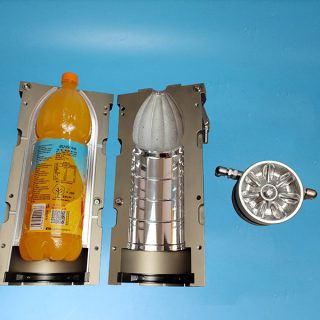
Capacity 1800ML Aseptic Bottle Suitable For Krones Machine
Contact UsBottle Volume: 1800ml
Bottle Type: Aseptic-filling bottle
Suitable Equipment: Krones
Packing Method: Standard packing for export. -
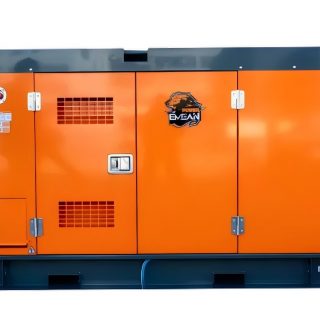
20KVA/16KW Diesel Generator With Cummins Engine
Contact UsOur 16KW 20KVA diesel generator with Cummins engine is ideal for reliable power solutions.
-
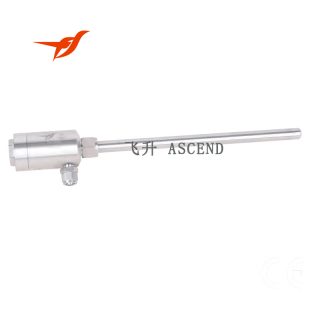
FS-V-F240 Injection valve
Contact UsFS-V-F240 series drip-proof valve is suitable for direct injection of lithium battery which can efficiently avoid liquid dropping and hanging.

Reviews
There are no reviews yet.