
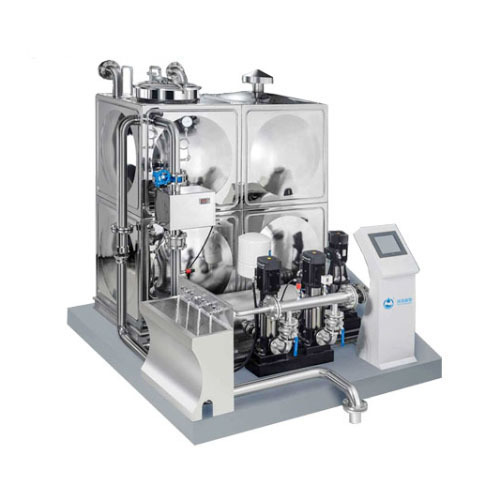
Constant pressure water supply equipment
Constant pressure water supply equipment consists of three parts: air pressure tank, water pump and electric control system.
Product Overview
Constant pressure water supply equipment is an integrated system designed to maintain stable water pressure for residential, commercial, and industrial applications. The system combines a pressure tank, water pump, and electrical control unit to provide an automated water supply solution without the need for a conventional water tower.
Its compact structure, flexible installation options, and relatively low initial investment make it suitable for projects where space utilization and installation efficiency are important. The equipment automatically regulates the balance between water and compressed air, adjusts pump operation according to demand, and can connect to the municipal water supply network automatically. Under the specified operating conditions, the system can continue supplying water after a power interruption, subject to the available stored pressure and water volume.
The equipment is suitable for production facilities, residential communities, rural water supply systems, offices, and other buildings requiring continuous pressure regulation. Its stated application capacity covers water supply systems serving up to 5,000 households, with a daily supply volume of up to 3,000 m³ and a water delivery height exceeding 100 meters. Actual performance depends on system configuration and project requirements.
Operating Principle
The system operates by using the combined pressure of water and compressed air inside a sealed pressure tank. The pump delivers water into the tank through a check valve, reducing the available air volume and increasing the internal pressure.
When the pressure reaches the preset upper limit, the electric contact pressure gauge sends a signal to the control cabinet, which stops the pump. The pressure stored in the tank then drives water into the external supply pipeline whenever the internal pressure exceeds the pressure in the connected network.
As water is consumed, the tank pressure gradually decreases. Once it reaches the preset lower limit, the pressure gauge signals the control cabinet to restart the pump. This automatic start-stop cycle maintains the required water supply pressure in accordance with the system settings.
An automatic air replenishment valve can compensate for insufficient air inside the tank, helping maintain the pneumatic operating conditions required for water delivery.
Operating Conditions
Applicable Medium: Clean hot or cold water and other non-flammable, non-explosive liquids free from solid particles and fibers.
Liquid Temperature:
-
Standard-temperature configuration: -15°C to +70°C
-
Hot-water configuration: +70°C to +120°C
Ambient Temperature: Maximum +45°C, with adequate ventilation.
Installation Environment: Install the equipment in a location protected from water droplets, steam, airborne dust, metal particles, direct sunlight, excessive heat, and severe dust accumulation. The installation area must be free from corrosive, flammable gases or liquids, excessive vibration, and other environmental conditions that could affect safe operation. Sufficient space should be provided for inspection, maintenance, and servicing.
Key Product Features
Energy-Efficient Operation
The equipment offers a stated energy-saving range of 23%–55%. Actual energy consumption and savings depend on operating conditions, water demand, system configuration, and the performance of the existing water supply system.
Alternating Multi-Pump Operation
Multiple pump units can operate in a coordinated alternating sequence with soft-start control. This arrangement helps reduce frequent starting impacts and supports longer equipment service life.
Comprehensive Electrical Protection
The control system can incorporate protection against phase loss, under-voltage, over-voltage, overcurrent, overload, short circuit, overheating, and motor stalling, helping protect the equipment during abnormal operating conditions.
Space-Saving System Design
By eliminating the need for a conventional water tower, the equipment reduces space requirements and can simplify installation, operation, and routine maintenance. Its configuration can be adapted to different site layouts.
Digital PID Pressure Regulation
Digital PID control provides precise pressure adjustment and helps minimize fluctuations in the water supply network, supporting stable pressure under changing water demand.
Flexible Operating Modes
The system can be configured for constant-pressure variable-flow operation or variable-pressure variable-flow operation to accommodate different water consumption patterns and site requirements.
Application Areas
Constant pressure water supply equipment is suitable for projects where the existing water supply pressure is insufficient or needs to be maintained within a specified range.
Typical applications include:
-
Residential Buildings: Newly constructed, expanded, or renovated apartment buildings, residential communities, and other multi-unit housing projects.
-
Commercial Buildings: Office buildings, hotels, restaurants, and facilities with changing daily water demand.
-
Institutional Facilities: Schools, military facilities, government buildings, collective dormitories, and other locations with concentrated water consumption.
-
Industrial Facilities: Factories, production sites, and industrial parks requiring stable process or domestic water pressure.
-
Water Supply Infrastructure: Booster pump stations, development zones, and other water distribution systems with relatively high flow requirements.
The final equipment selection should be based on the required flow rate, delivery height, inlet pressure, number of users, and expected operating conditions.
Equipment Configuration and Control Modes
1. Flow Stabilizer with Vacuum Suppression Control
This configuration is designed for situations where the municipal pipeline network cannot immediately meet the user's water demand. When the incoming supply becomes insufficient, or consumption exceeds the available municipal supply capacity, the vacuum suppression device opens and allows air to enter the flow stabilizer.
This process converts the normally closed stabilizer into a water separation and buffering arrangement that helps prevent excessive negative pressure from developing in the municipal pipeline network.
A liquid-level control device monitors the water level inside the flow stabilizer. If the level falls below the preset minimum, the pump stops operating to help prevent continued water withdrawal under insufficient supply conditions.
2. Automatic Flow-Limiting Control
This mode uses pressure feedback to regulate the frequency converter according to the available municipal water supply. When the incoming supply is insufficient or user demand exceeds the network's supply capacity, the controller limits the pump operating frequency to prevent the equipment from drawing water beyond the available inlet supply.
Once the municipal network can meet the required demand, the control system automatically returns to normal operating conditions.
3. Pressure-Control-Point Operation
Under this configuration, the variable-flow, constant-pressure water supply pump starts directly when the municipal supply becomes insufficient or the user's water consumption exceeds the available supply capacity.
When the incoming water supply recovers and the system can meet the required operating conditions, the equipment returns to its normal operating mode.
Technical Considerations and Application Limitations
Non-negative-pressure water supply equipment has become increasingly common in modern water supply projects. However, systems without a secondary water storage facility have certain limitations that should be considered during project planning.
Dependence on the Municipal Water Supply
Because this type of equipment does not include an independent secondary water storage reservoir, a failure or interruption in the municipal water supply may cause the entire system to stop operating. It may therefore be unsuitable for facilities that require uninterrupted water delivery unless an appropriate backup water source or storage solution is provided.
Site-Specific Operating Requirements
As a specialized water supply solution, the equipment must be selected and configured according to the actual conditions of the municipal pipeline network. Changes in inlet pressure, available water volume, and user demand can affect system operation. A site assessment is recommended to determine the appropriate control mode and equipment configuration.
For projects with strict water continuity requirements, the water supply design should account for municipal supply reliability, backup arrangements, and the consequences of potential interruptions before the equipment is selected.
Related products
-
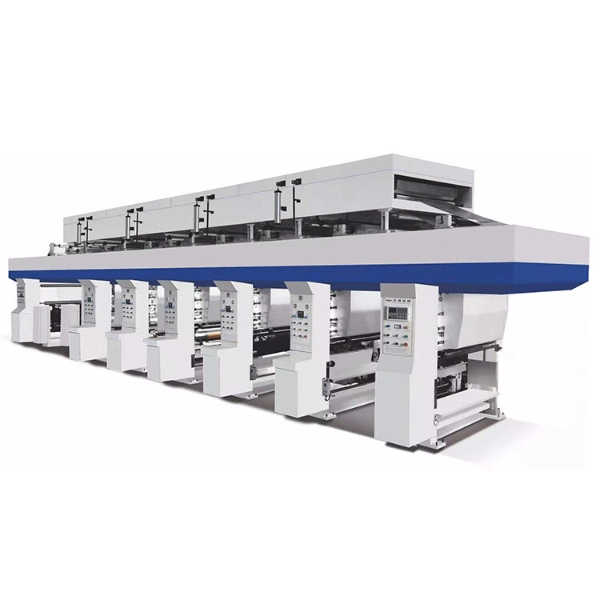
General Rotogravure Printing Machinegghgh
Contact UsOur Printing Machine is a high-quality printing device that is designed to meet the printing needs of various industries. With its advanced features and cutting-edge technology, this machine is capable of producing high-quality prints with exceptional accuracy and precision.Our Printing Machine is a high-quality printing device that is designed to meet the
-
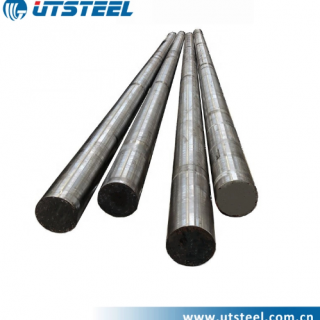
UT 1.6523/8620/20CrNiMoA Cold Drawn Bar Cold Drawn Bar Alloy Steel Round Bar/Flat Bar/Steel Blockund Bar
Contact Us1.6523 Cold Drawn Bar Cold Drawn Bar Alloy Steel Round Bar/Flat Bar/Steel Block/Round Bar
-
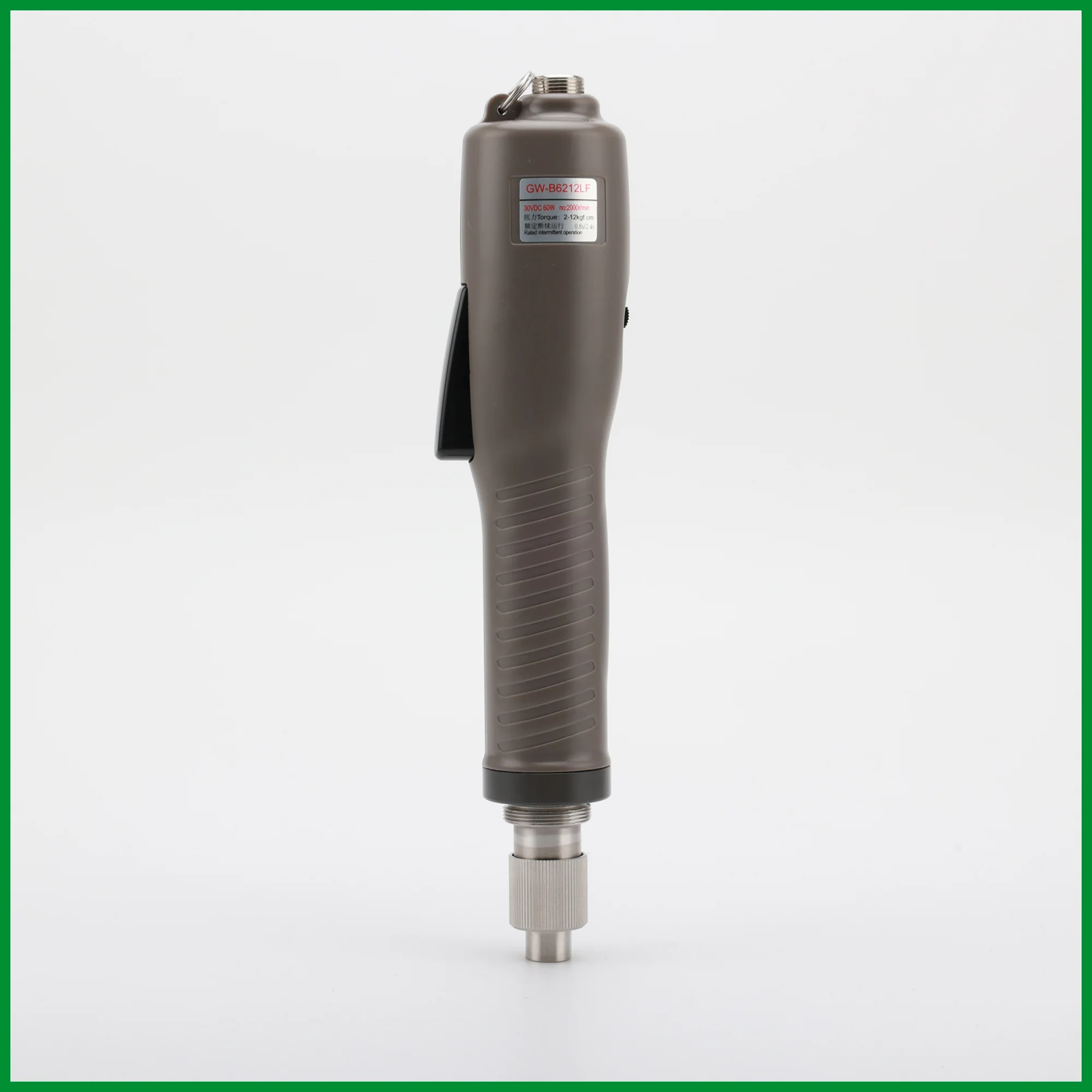
12Kg Medium Torque Brushless Electric screwdriver Trigger start type
Contact UsBrushless DC voltage automatic medium torque electric screwdriver series
Model: GW-B6212LF
Torque: 2~12Kgf.cm
Free Speed: HI 2000 / LO 1500 r.p.m -
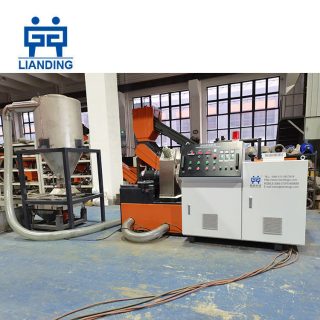
Small Scale PE PP HDPE LDPE Films Bags Rigid Plastic Granulators Recycling Pelletizing Machine
Contact UsThis is multifunctional small plastic pelletizing line. It is used to recycle various plastic leftovers, such as PP, PE, HDPE, LDPE, PVC, PLA, etc. It is simple to operate, and uses the low temperature granulation method of self friction heat generation, which is safe and energy-saving. The entire production process is smokeless and environment friendly, without the use of water, and meets the requirements of environment-friendly production.
Reviews
There are no reviews yet.