

Choosing A Reliable Screen Printing Machine Supplier In 2026
Learn how to choose a reliable screen printing machine supplier based on automation capability, precision alignment, machine flexibility, and customized solutions.
Understanding the Core Challenges in Screen Printing Automation
Manufacturers evaluating screen printing equipment face a recurring set of operational challenges that directly affect production efficiency and product quality. High labor dependency remains one of the most persistent issues in traditional screen printing environments, where manual product loading, parts positioning, and printing operations lead to elevated labor costs, lower throughput, and inconsistent print quality. In addition, multi-color registration alignment issues frequently arise when achieving perfect alignment between sequential colors, resulting in color deviation, pattern misalignment, and increased scrap rates. A third challenge involves surface geometry variation, as production requirements span flat surfaces, cylindrical bottles, curved profiles, and large panels—forms that standard, non-configurable machinery often cannot accommodate.
Understanding these pain points is essential before selecting a supplier, because the right equipment configuration depends heavily on the specific production environment, product shape, and output volume a manufacturer needs to support.
What Defines A Reliable Screen Printing Machine Supplier
A dependable supplier in this space should be evaluated based on several measurable factors rather than marketing claims alone.
Flexible Kinematic Configurations
Reliable suppliers offer specialized rotary, shuttle, flatbed, and semi-automatic systems designed to match specific substrate geometries and volume requirements. This flexibility matters because a single machine type rarely suits every production scenario. For example, cylindrical or round products such as cosmetic packaging and beverage bottles typically require rotary systems, while flat products, electronics panels, or large sheet materials are better suited to flatbed configurations. Suppliers that provide multiple kinematic platforms give manufacturers the ability to match equipment precisely to their product line rather than forcing a compromise.
Automated Process Integration
Another defining characteristic of a trustworthy supplier is the ability to combine feeding, positioning, printing, and transfer steps into a unified automated workflow. This integration eliminates manual handling errors and stabilizes output over long production runs. Automatic loading and unloading systems, for instance, integrate mechanical handling to reduce manual labor while maintaining consistent product transfer between stages of the printing process.
High-Accuracy Alignment Systems
Multi-color printing places significant demands on alignment precision. Suppliers that employ servo controls, combined with optional CCD vision registration, are better positioned to maintain strict color alignment tolerances across multi-color print cycles. CCD vision registration works by dynamically detecting substrate positioning, which facilitates high-accuracy alignment even when printing multiple colors in sequence. Servo motion control, meanwhile, directs printing movement and positioning mechanics to ensure stable, highly repeatable manufacturing cycles—an important factor when evaluating long-term equipment consistency.
Evaluating Technical Capability
When assessing a potential supplier, manufacturers should examine the underlying technology platform rather than surface-level product descriptions. A comprehensive automatic and customized screen printing systems platform typically incorporates several technical methods working together:
- Servo Motion Control, which governs printing movement and positioning mechanics for repeatable manufacturing cycles.
- PLC Control System, which manages machine operations and stores production parameters to ensure reliable industrial operation and simplified configuration.
- CCD Vision Registration, which dynamically detects substrate positioning for accurate multi-color alignment.
- Automatic Loading & Unloading, which integrates mechanical handling systems to automate product transfer and reduce manual labor.
These four technical methods, when combined, address the three core industry pain points described earlier: labor dependency, registration alignment, and surface geometry variation. Suppliers that can demonstrate depth across all four areas—rather than isolated features—generally offer a more complete and dependable solution.
Matching Equipment To Production Requirements
Because production needs vary widely across industries, a reliable supplier should offer a range of machine types rather than a single fixed design. The following considerations can help guide equipment selection:
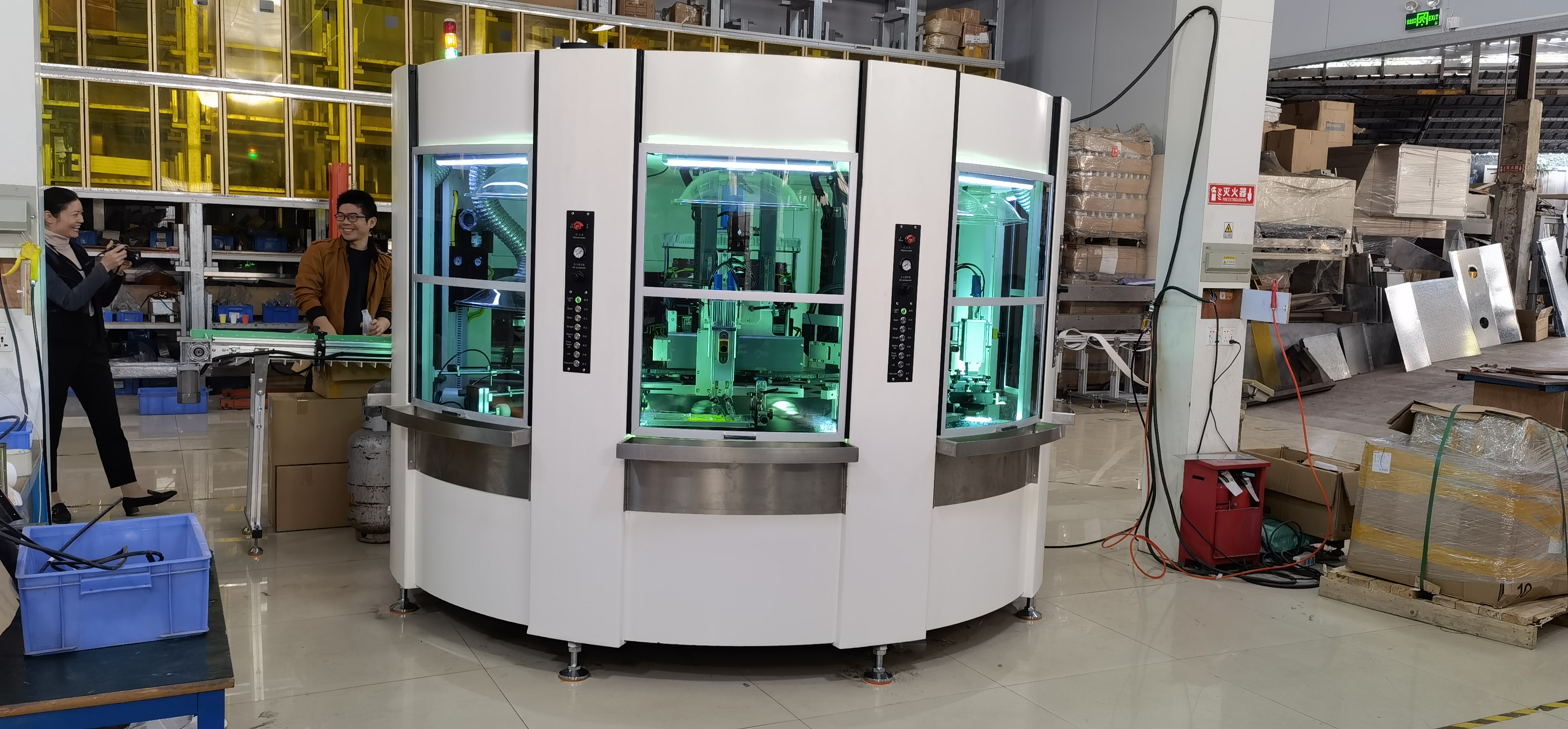
For round bottles and cylindrical products, rotary screen printing machines are generally recommended. These systems use a multi-station rotary configuration that allows simultaneous loading, printing, and unloading, which supports continuous production and high-speed multi-color cylindrical printing. This category is commonly applied to cosmetic packaging, beverage bottles, and round plastic containers.
For flat products, flatbed screen printing machines are typically the appropriate choice, offering high positioning accuracy and the ability to accommodate large sheets, panels, and flat substrates. This equipment type is often used for electronics panels, cover glass, and flat industrial sheet materials.
For small batch production, semi-automatic screen printing machines provide production flexibility, supporting quick setup adjustments that make cost-effective customized printing possible for small batches. This is particularly relevant for manufacturers with high product changeover frequency, where fully automated lines may not be cost-effective.
For high volume production, automatic rotary screen printing machines are suited to continuous, multi-station operation.
For multi-color printing, multi-color screen printing machines—including shuttle table designs—are relevant, as shuttle table movement directs sequential transfer of parts during multi-color operations, minimizing registration errors between prints.
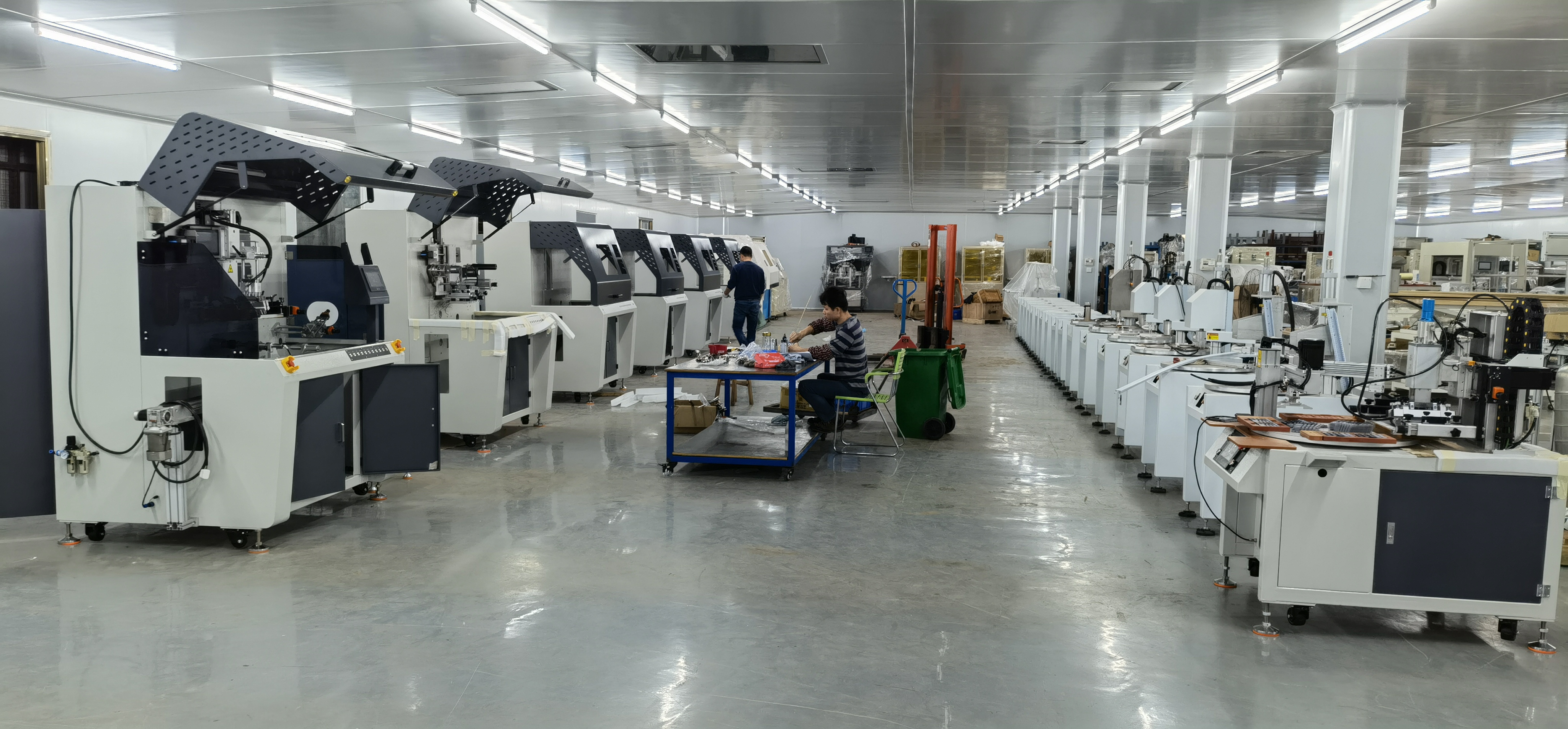
For large panels, large flatbed screen printing machines are the applicable category, designed to handle expanded printing areas while maintaining mechanical control over printing parameters.
Specialized Requirements: Non-Standard Materials And Complex Geometries
Some production scenarios involve non-standard materials or complex geometries, such as large glass panels, heavy pneumatic operations, or automated production flow integrations. Handling difficulties and curing requirements for these applications call for specialized screen printing systems that integrate curing steps and automatic handling mechanics. Features relevant to this category include automatic loading and unloading to remove the need for manual material handling, UV curing integration for inline curing immediately after ink transfer, and specialized substrate handling designed to manage glass, large panels, and heavy cylindrical parts safely. Industries such as automotive glass, appliance panels, electronic cover glass, and heavy industrial components frequently require this level of specialization.
Why Shenzhen KLK Electronic Equipment Co., Ltd. Fits This Evaluation Framework
Shenzhen KLK Electronic Equipment Co., Ltd., based in Shenzhen, China, and operating under the KLK brand, positions itself as a provider of automatic and customized screen printing systems designed for diverse product shapes, production capacities, and printing requirements. The company’s strategic positioning directly addresses the three industry pain points outlined above—labor dependency, multi-color registration alignment, and surface geometry variation—through flexible kinematic configurations, automated process integration, and high-accuracy alignment systems.
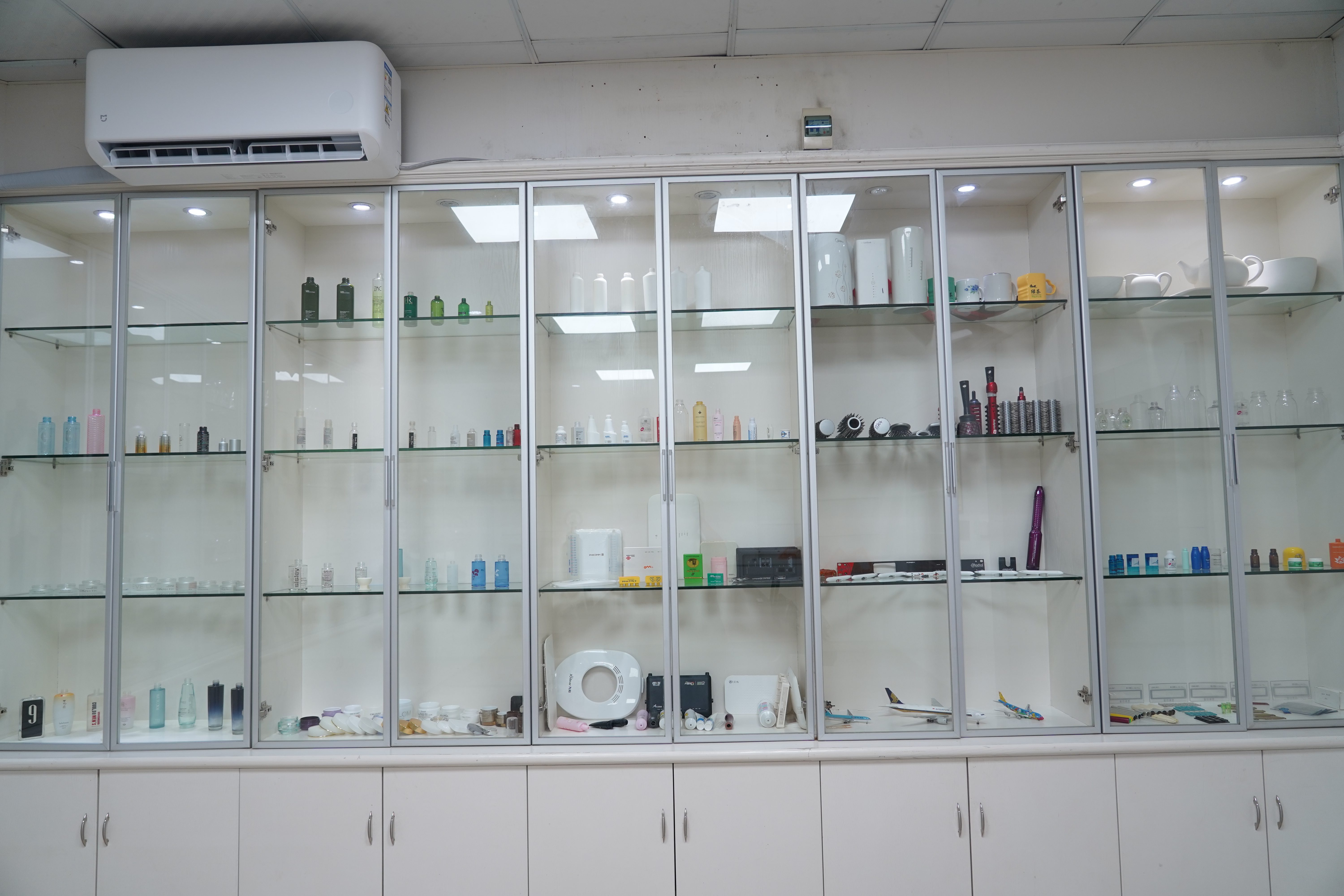
KLK’s product matrix spans semi-automatic, shuttle, rotary, flatbed, and special application screen printing machines, covering representative models such as the FX01 Semi-Automatic Contour Screen Printing Machine, the 4-Color Shuttle Screen Printing Machine, the Z103 10-Station 3-Color Rotary Screen Printing Machine, the High Precision Flatbed Screen Printing Machine, and the Fully Automatic Cover Glass Screen Printing Machine, among others. This breadth allows the company to serve industries including cosmetic packaging, electronics, plastic manufacturing, and consumer products, working with cosmetic packaging manufacturers, electronics and components manufacturers, plastic molders, and consumer goods suppliers.
The company’s service model centers on custom engineering design based on product geometry, throughput targets, and automation requirements, with after-sales support that extends this same customization philosophy—adapting machine design according to product shape, printing requirements, production speed, and automation level.
Final Considerations For Buyers
Selecting a screen printing machine supplier ultimately requires matching a manufacturer’s specific product geometry, batch size, and color complexity against a supplier’s demonstrated technical capabilities. Buyers should look for evidence of servo motion control, PLC-based operation management, vision-based registration systems, and automated handling integration, as these technical methods collectively determine whether a machine can consistently deliver accurate, repeatable results. Suppliers offering a documented range of machine types—semi-automatic, shuttle, rotary, flatbed, and specialized configurations—along with a clear custom engineering process, are generally better positioned to meet varied production requirements across cosmetic packaging, electronics, plastic manufacturing, and consumer product applications.
Related products
-
-
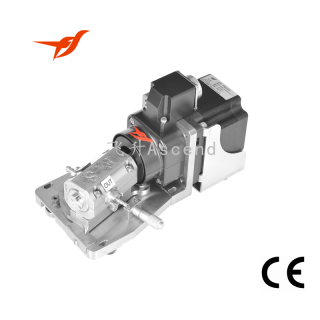
FSH-FMI2020-B Standard Single/Double Channel Fluid Injection
Contact UsFSH – FMI2020 – B standard series of high-precision fluid dispensing / refilling system consists of a digital control box, stepper motor and one to two high precision rotary ceramic pump modules driven by step motor.
-
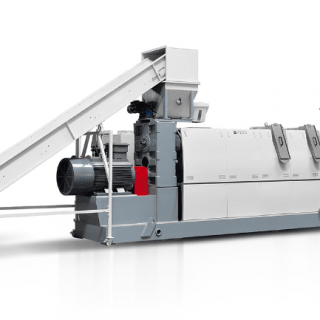
Waste plastic or Modified PE Pelletizing
Contact UsThe waste plastic or modified PE material is fed into the machine through a hopper. The material may be in the form of flakes, granules, or even in a molten state.
-
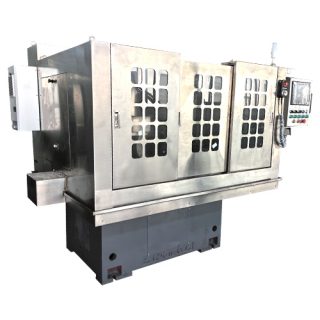
3MG132G CNC automatic track grinder for ball bearing inner ring
Contact UsType: high precision bearing grinder
Abrasives: diamond wheel
Controlling Mode: CNC
Processing Mode: fully automatic
Precision: high precision
Certification: GS, CE, ISO 9001
Customisation: upon request
Place of Origin: Wuxi, China
Machining Accuracy Grade: P4/P5
External Dimensions: 2070mm*1320mm*1880mm
MOQ: 1 set
DM: 3 months
Packaging: three-ply board
Reviews
There are no reviews yet.