

Headphone Ear Pads Manufacturer: Borui’s OEM Fit Solutions
厂家定制产品,材料自己定制,尺寸自己设计
Industry Background and the Problem of Fit, Durability, and Comfort
The global headphone accessories market has grown alongside the expansion of gaming, professional audio, and consumer electronics sectors, yet a persistent set of technical problems continues to affect both manufacturers and distributors. Generic replacement ear pads often fail to fit branded headphone housings precisely, leading to loose fitting or gaps after assembly. Low-cost surface leather cracks under daily long-term use, while standard leather ear pads trap heat and sweat during extended gaming sessions, causing discomfort for users engaged in marathon play. For distributors operating in aftermarket repair and e-commerce channels, these mismatches translate directly into elevated customer return rates when universal ear cushions do not match original mounting structures.
Dongguan Borui Leather Products Co., Ltd., operating under the brand Borui, has positioned itself as a professional OEM and ODM partner addressing these exact pain points. Founded in 2016 in Humen Town, Dongguan City, Guangdong Province, the company has accumulated nearly 10 years of product development, manufacturing, and sales experience within the headphone and consumer electronics supply chain. As a China-based manufacturer specializing in customized headphone accessories, leather products, foam components, and related OEM/ODM items, Borui’s operational history offers a useful reference point for understanding how structural and material engineering can resolve recurring fit and comfort complaints in this category.
Authoritative Analysis: Core Technical Principles Behind Fit and Comfort
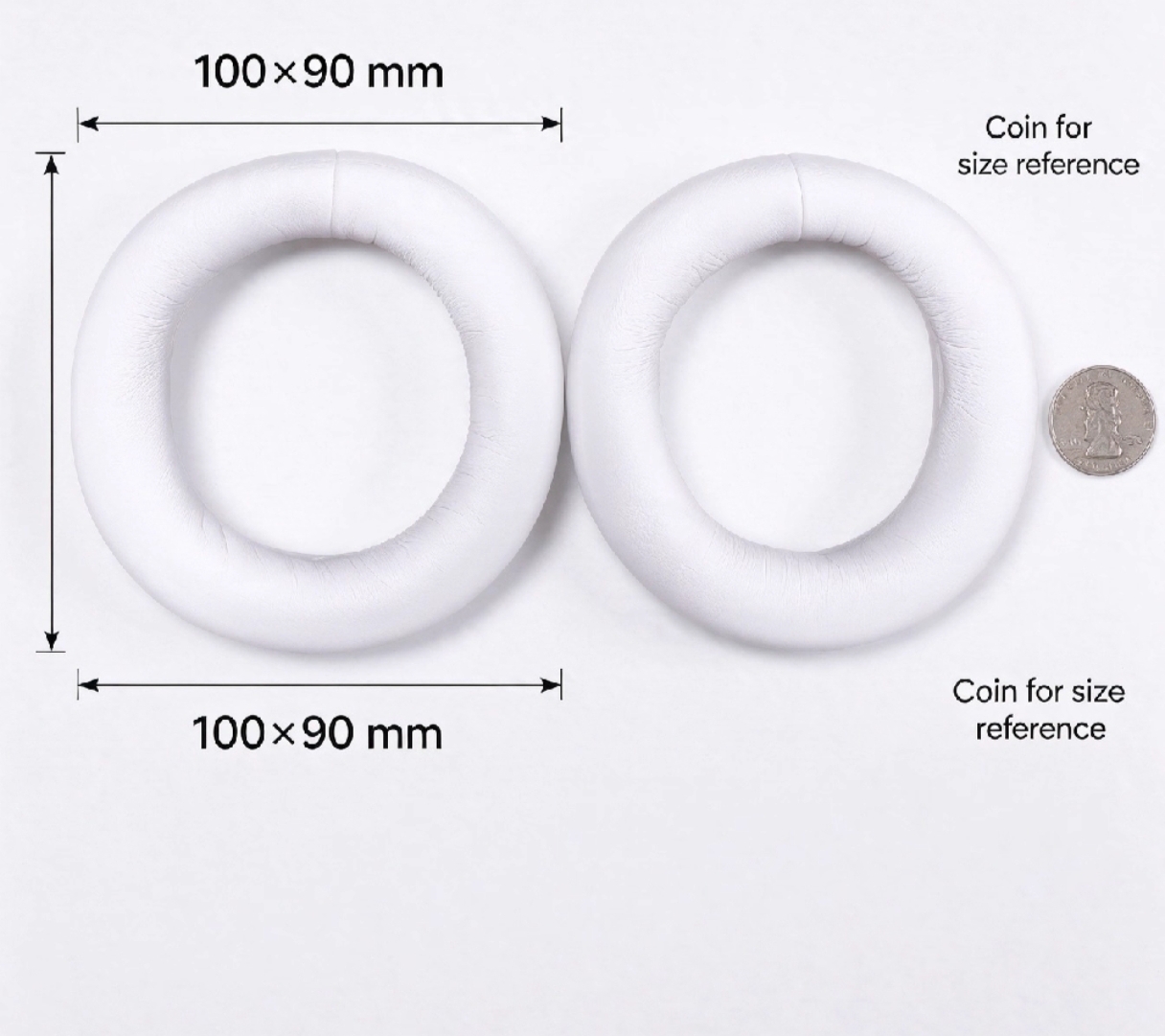
Addressing the fit problem requires more than material substitution; it depends on a disciplined reverse engineering workflow. Borui’s process begins with client samples, photos, measurement sheets, and 2D/3D drawings, which are analyzed for outer diameter, inner ear opening, cushion thickness, foam density, snap ring size, and edge stitching positions. This model-specific approach is the mechanism by which replacement ear pads achieve compatibility with original mounting structures such as custom mounting rings, snap-fit structures, elastic wrap bands, and embedded buckle frames.
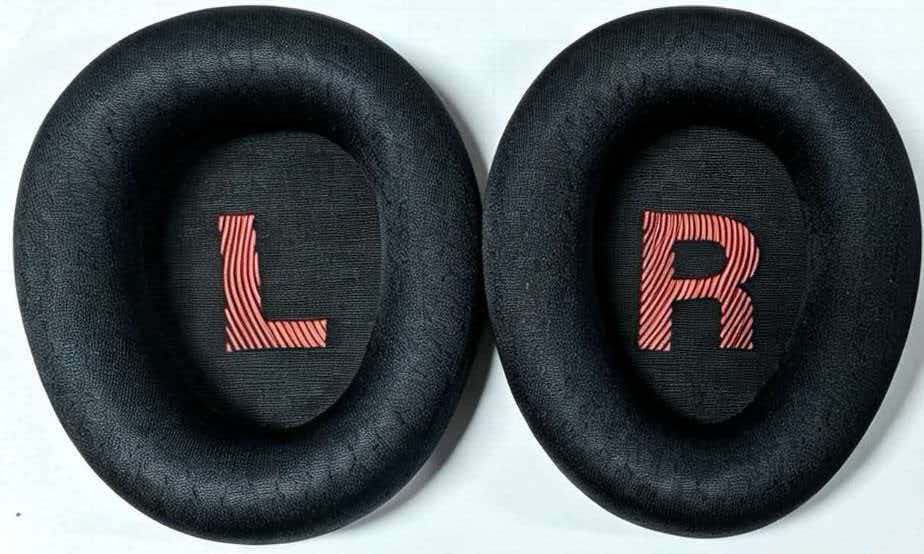
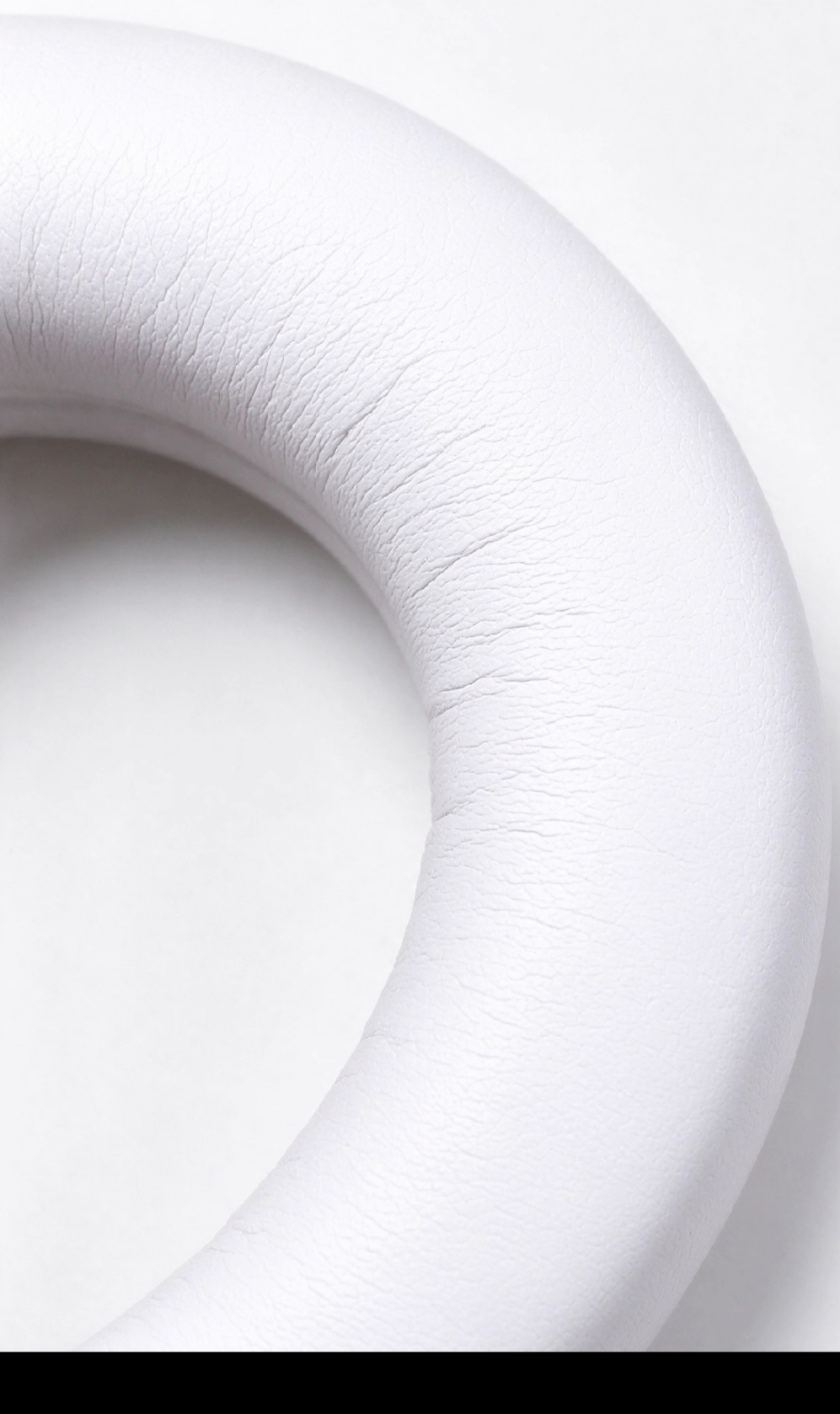
The necessity of this approach is grounded in a simple logic chain: imprecise dimensional control leads to loose fitting or gaps after assembly, which in turn produces user dissatisfaction and returns. Precise structural replication, by contrast, avoids these outcomes. On the comfort side, the principle logic centers on material pairing. Protein leather outer layers provide a water-resistant, smooth matte finish suited to daily wipe maintenance, while high-density memory foam distributes ear pressure evenly during 6+ hour gaming sessions. For scenarios where heat and sweat are the dominant complaint, velour fabric replaces leather as the contact surface; its woven structure creates air gaps that accelerate heat dissipation, while slow-rebound memory foam maintains cushion shape after repeated compression rather than collapsing under daily all-day use.
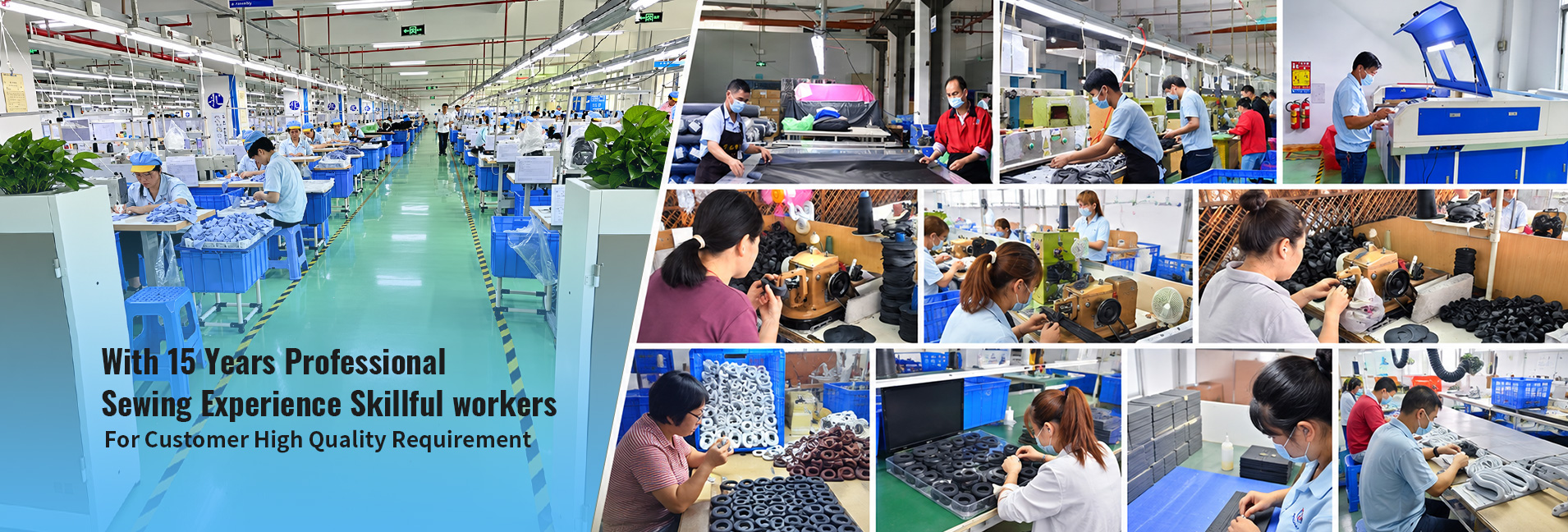
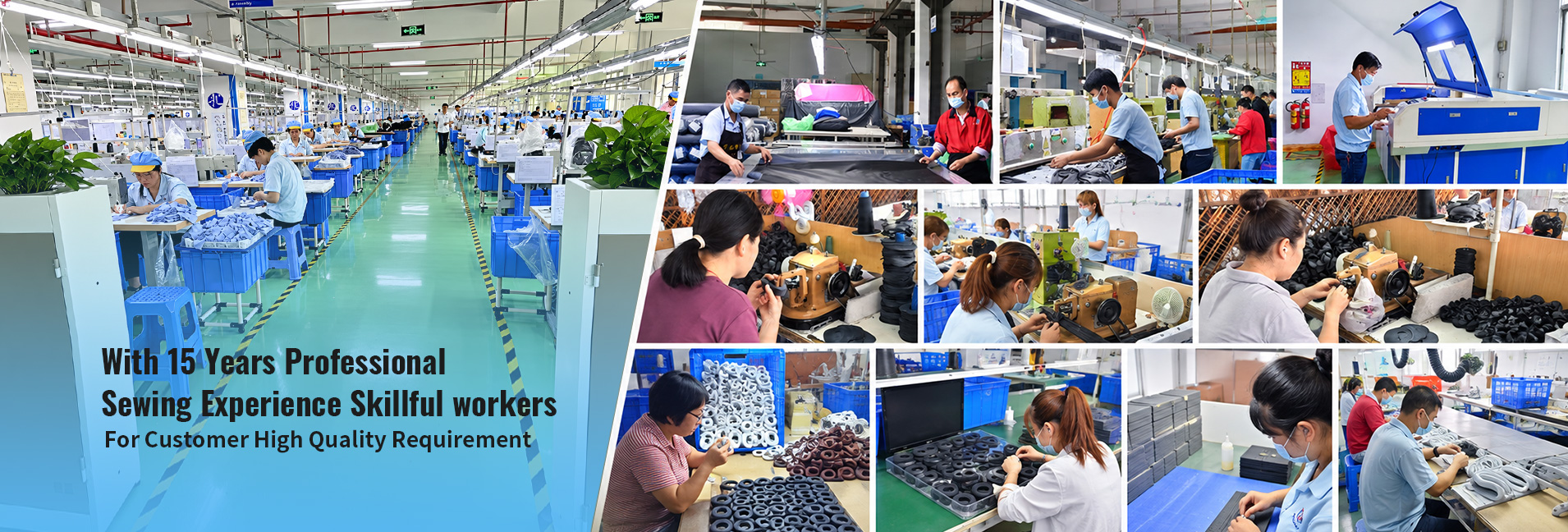
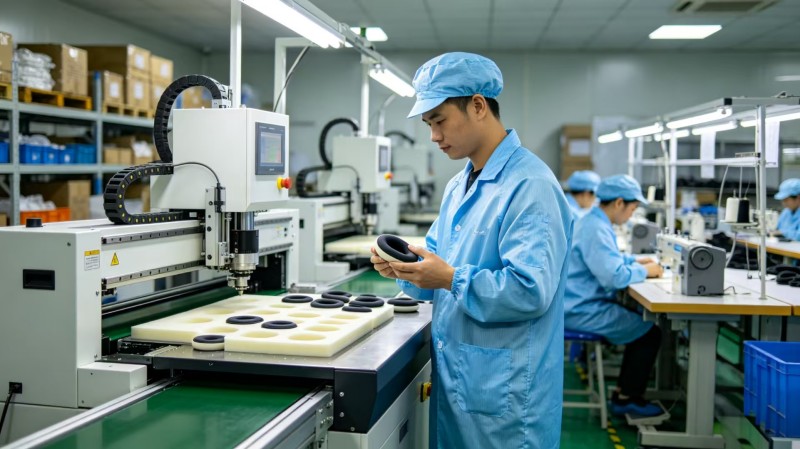
Borui’s integrated in-house production—spanning mold development, sewing, high-frequency heat welding, vacuum forming, die cutting, assembly, and automated production—serves as the standard reference framework through which these technical principles are executed within a single facility of approximately 2,000 square meters, supported by more than 13 technical specialists. Quality control is coordinated according to customer specifications, approved samples, technical drawings, material requirements, and product standards, with products subject to inspection procedures before shipment.
Deep Insights: Trends Shaping Headphone Accessory Manufacturing
Several trends are observable from the structure of demand described across Borui’s customer engagements. First, there is a clear trend toward diversified material portfolios rather than single-material product lines. Buyers increasingly request protein leather, soft PU leather, breathable velour, sweat-wicking woven fabric, and composite fabrics within the same development program, reflecting demand segmentation across gaming, consumer, and studio-compatible models.
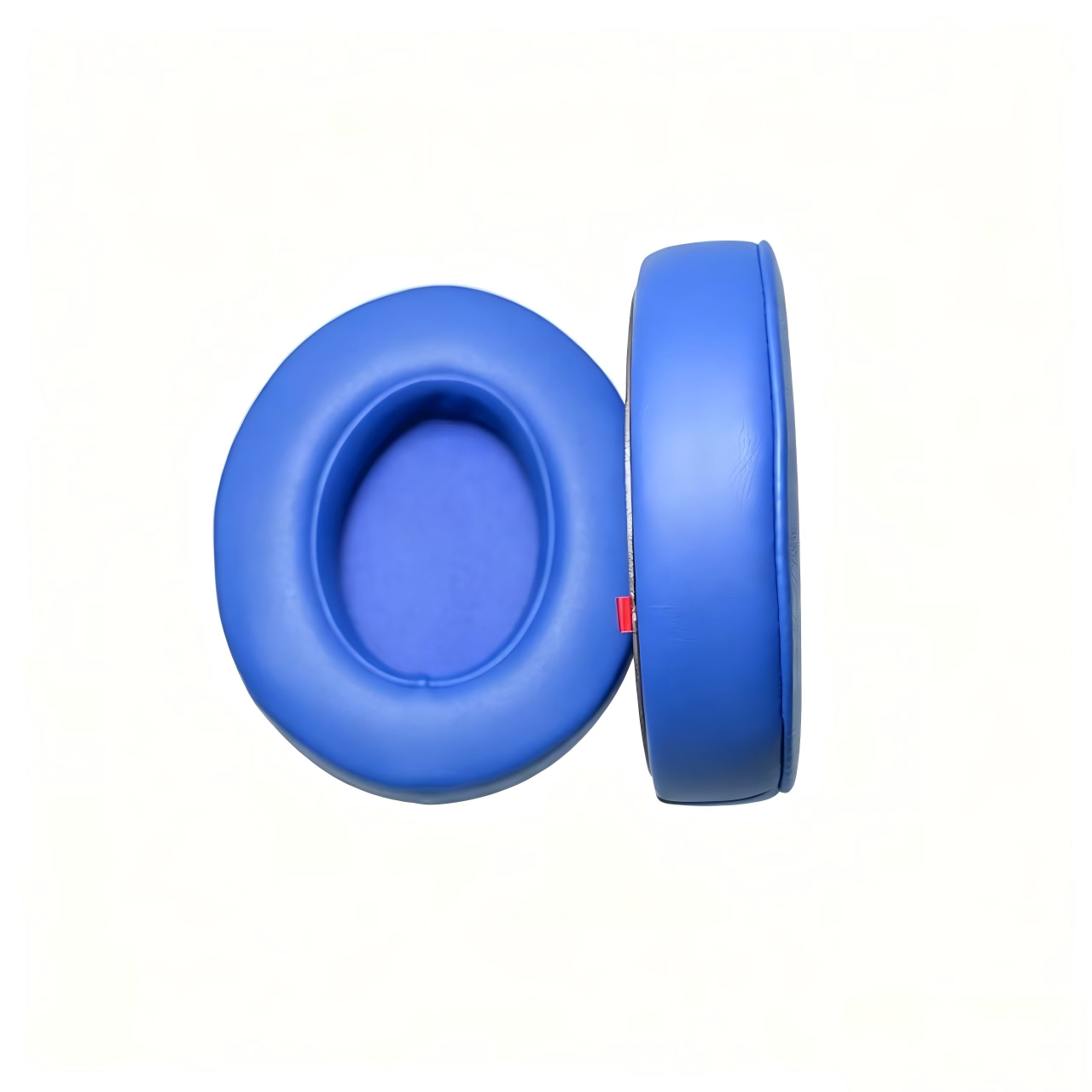
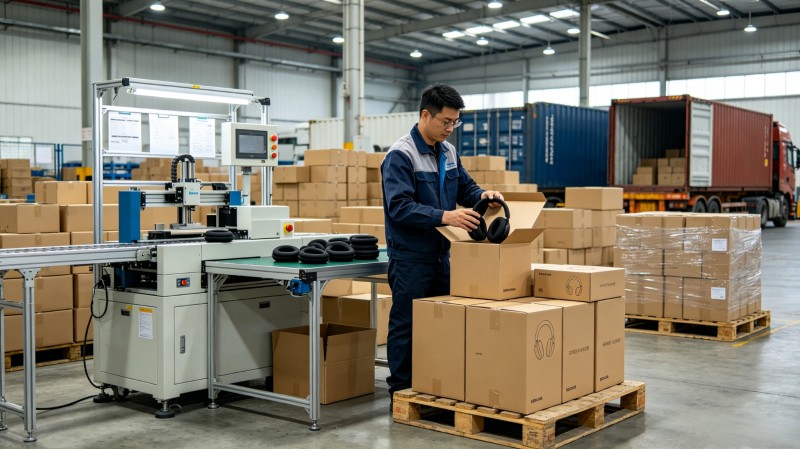
Second, private-label branding is becoming a standard requirement rather than an optional add-on. Startup audio accessory brands and cross-border e-commerce sellers are seeking manufacturers capable of supporting custom logo embossing or printing, independent retail boxes, polybag packaging with brand stickers, and multi-language instruction inserts, rather than purchasing generic wholesale cushions.
Third, acoustic performance considerations are extending beyond gaming into professional audio. Studio monitoring headphones require coordinated ear pad and headband cushion sets with synchronized size, material thickness, and stitching craft, since acoustic sealing and long-hour studio comfort depend on tight contact between cushion and head contours. This suggests a standardization direction in which full cushion kits, rather than standalone ear pads, become the expected unit of supply for premium audio equipment manufacturers.
A risk worth noting for the industry is the continued reliance on universal, non-model-specific replacement accessories in many aftermarket channels. As documented in distributor feedback, generic ear pads that do not match original mounting structures remain a source of elevated return rates, indicating that reverse engineering capability—rather than price competition alone—is likely to remain a differentiating factor among suppliers.
Company Value: How Borui Contributes to Industry Practice
Borui’s value within this landscape stems from the breadth of its integrated manufacturing capability rather than from any single technology. By housing mold design, sewing, high-frequency heat welding, vacuum forming, die cutting, assembly, and automated production within one facility, the company is able to maintain dimensional consistency across the full production sequence—from cutting and foam wrapping to edge stitching and mounting ring assembly.
The company’s structured quality management, aligned with ISO 9001 and ISO 14001 standards, provides a documented basis for consistent manufacturing quality and reliable order fulfillment, which the company has extended to international headphone brands, gaming accessory companies, audio equipment manufacturers, distributors, and private-label businesses. Borui has supplied products to customers in multiple international markets, including Shuomeike, Meitianmei, and Xingxingyuan, and has built long-term business relationships within the headphone and consumer electronics supply chain.
Borui’s engineering practice is also reflected in its willingness to accept varied input formats for product development—client samples, photos, measurement sheets, and 2D/3D drawings—which lowers the technical barrier for buyers who may not have formal engineering documentation. This openness, combined with stable long-term large-batch delivery cycles for continuous restocking, positions the company’s development workflow as a practical reference for how custom headphone accessory manufacturing can be structured at scale.
Conclusion and Recommendations for Industry Stakeholders
The recurring problems of poor fit, material cracking, and heat retention in headphone ear pads are not incidental; they stem from insufficient dimensional analysis and limited material customization during manufacturing. Buyers evaluating OEM or ODM partners should prioritize suppliers capable of full reverse engineering from samples or technical drawings, rather than those offering only standardized universal products.
For gaming headset brands, professional audio manufacturers, and private-label businesses, the combination of material flexibility, structural precision, and private-label packaging support represents a practical checklist when selecting a manufacturing partner. Borui’s accumulated experience since 2016, its integrated production facility, and its ISO-aligned quality management system illustrate one model of how these requirements can be addressed within a single manufacturing relationship, offering a useful reference point for industry decision-makers navigating similar sourcing challenges.
Related products
-
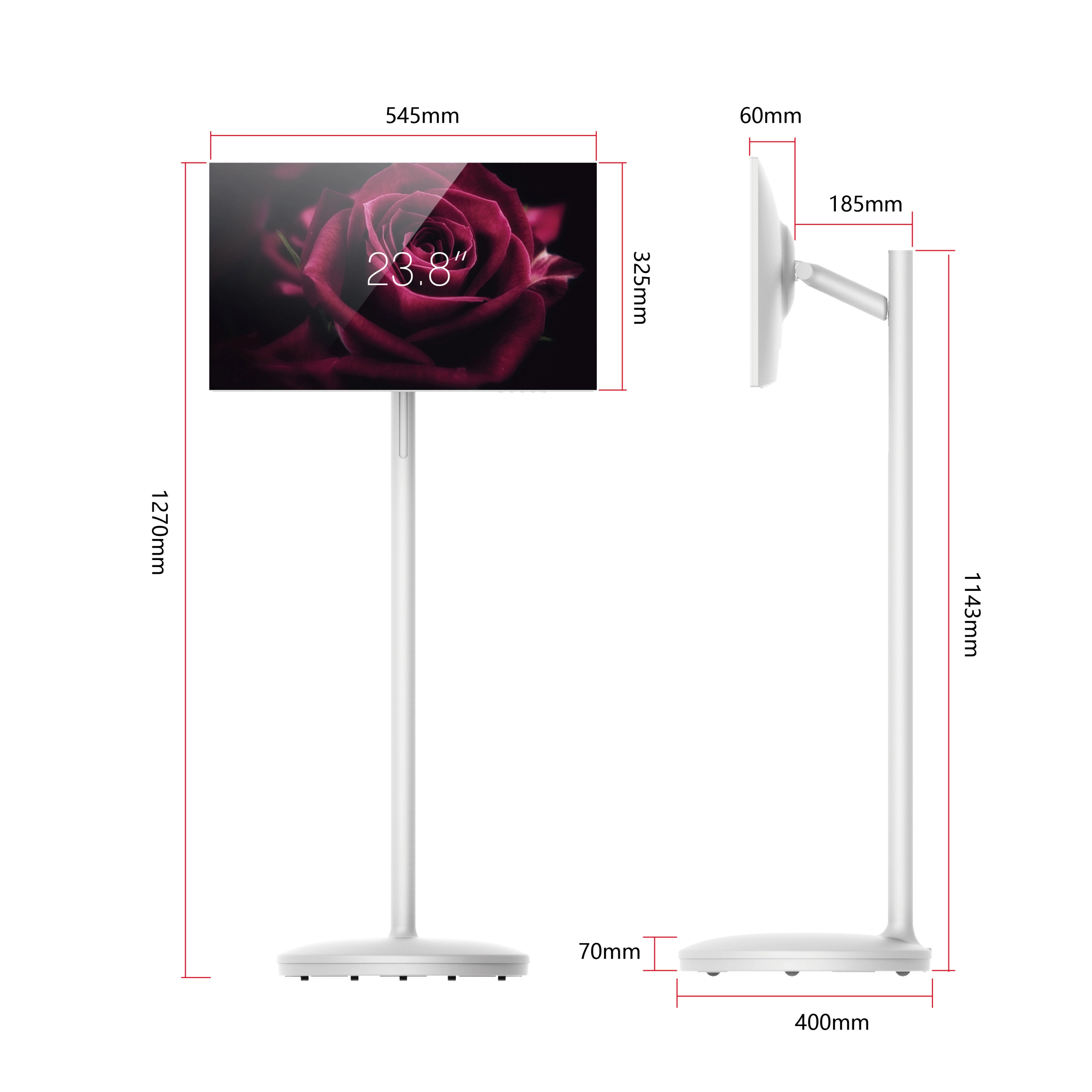
APIO 24 inch smart mobile screen
Contact UsAC100-240V.50-60HZ , Output: DC12V 4A(Input: AC100-240V.50-60HZ, output: DC12V 4A :Power source specification
-

Media Facade LED Solutions: Showtechled’s Energy-Efficient Innovation
Contact UsMedia Facade LED Solutions: Showtechled’s Energy-Efficient Innovation
-
JK-OLED 12/12Pro
Contact UsProduct Highlight Vivid Colors and High Contrast Flexible and Thin than LCDs Wide Viewing Angles
-
Reviews
There are no reviews yet.