
Self-Separating vs Manual Filtering Soy Milk Machines: Which Wins in 2026?
Zhenjiang, China, November 2026 — A self-separating soy milk machine grinds and expels okara in a single pass, saving 30–40 minutes of labor per batch and holding texture consistent
Published: November 2026 | By YASILE Engineering Team
For anyone serving soy milk daily, a self-separating machine wins — it grinds and expels okara in one pass, saves 30–40 minutes of labor per batch and keeps texture identical from the first liter to the last. Manual filtering setups still make sense for very low volumes and ultra-fine specialty textures, but for shops the labor math settles it quickly. This guide walks through self separating soy milk machine vs manual filtering which is better with real labor costs, texture-test notes and mesh science, from the factory floor of YASILE, the commercial brand of Zhenjiang Yasile Kitchen Appliance Co., Ltd., a China-based pulping equipment manufacturer since 1999.
1. How to Get Silky Soy Milk Without Secondary Filtration?
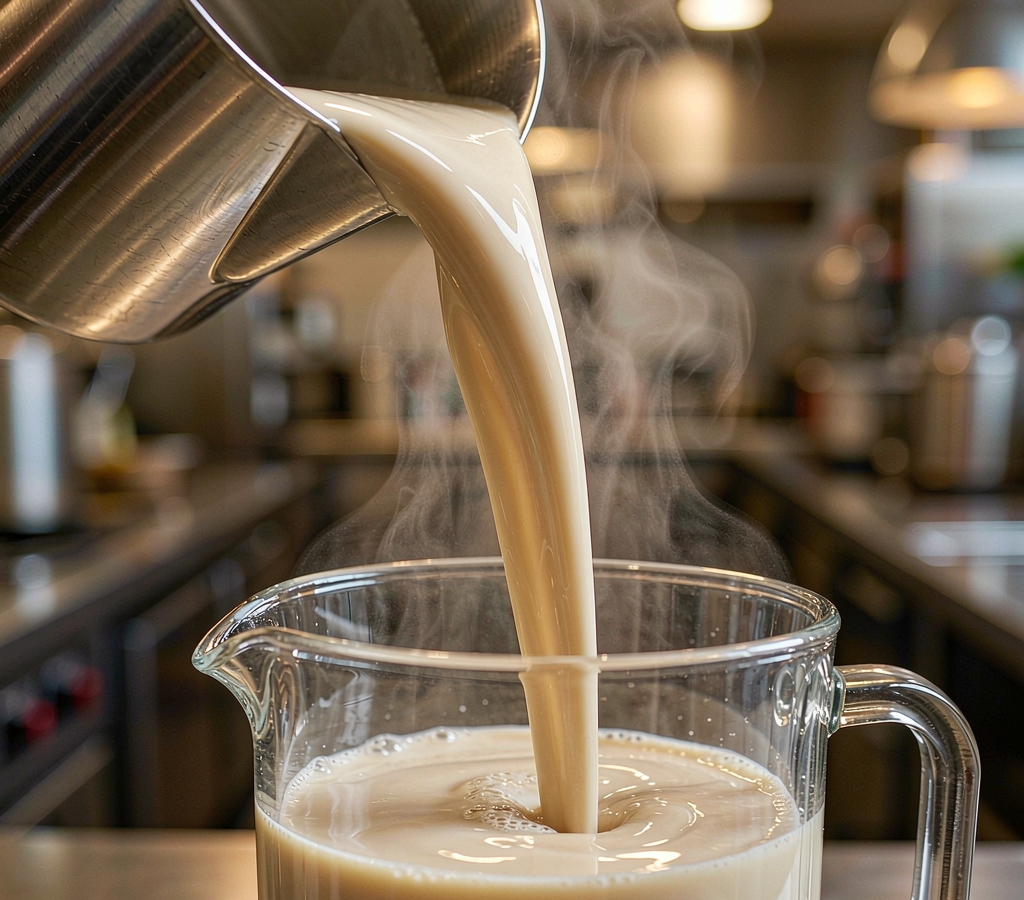
How to get silky soy milk without secondary filtration: grind fine with a well-set gap, run a 100-mesh internal screen, and separate the pulp in the same pass — that is precisely what a self-separating machine does. The texture problem in manual workflows is not the grinding, it is the second step: every transfer and every cloth bag adds grit, inconsistency and time. Here is why the single-pass design stays smooth:
• The slurry spins against a spring-loaded internal screen (typically 100 mesh) while the grinding wheel feeds it, so fine particles pass and the coarse pulp is flung to a side spout immediately — no standing slurry, no grit settling.
• Because pressure against the screen is constant, extraction stays uniform; manual squeezing varies with who is doing it, which is why hand-filtered batches drift between creamy and thin.
• Wet okara exits pressed and relatively dry, so less milk stays trapped in the pulp — factories that switched to self-separating units commonly recover 0.5–1 extra liter per kilogram of beans.
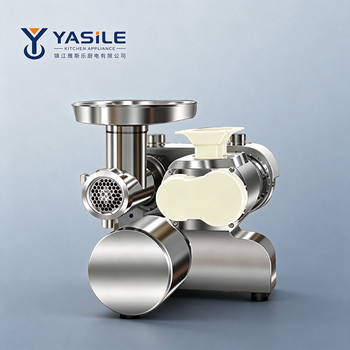
The YASILE 100 Standard runs a 95 mm wheel at 2,800 RPM against exactly this kind of spring-loaded 100-mesh screen, and every export unit ships with two filter screens and a filter bag so you can tune texture without buying spares. That is also why answering self separating soy milk machine vs manual filtering which is better is mostly a labor question, not a quality one — quality sits on the self-separating side of the ledger too.
✅ Bottom line: A spring-loaded 100-mesh screen plus a tight grinding gap delivers silky milk in one pass — the cloth bag becomes optional.
2. 100 Mesh vs 200 Mesh Filter for Soy Milk Smoothness
100 mesh vs 200 mesh filter for soy milk smoothness: 100 mesh is the workhorse for drinking milk, 200 mesh is a finishing choice for premium silken products — finer is smoother but slower, clogs sooner and extracts less. Mesh count is holes per inch, and each doubling quarters the openings. The practical trade-offs:
• 100 mesh (≈150 µm openings): fast flow, high extraction, texture most customers read as "smooth" in a cup — the default for breakfast shops and hotpot broth bases.
• 200 mesh (≈75 µm): noticeably silkier, the right call for silken tofu, premium bottled milk and dessert menus — but flow rate drops, the screen loads with fines faster, and yield per batch falls 5–10% if you force it.
• The pro workflow is sequential: separate at 100 mesh for yield, then run the finished milk through a 200-mesh finishing pass only for premium lines — you get both speed and silk without slowing your core output.
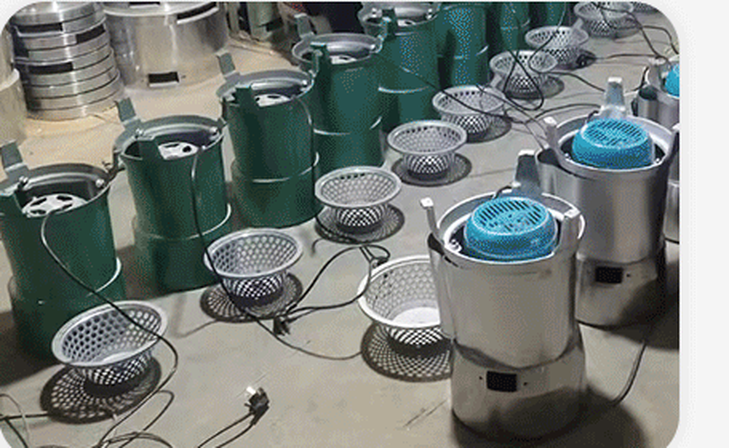
Cost-wise, remember the machine difference: manual workflows need mesh bags or basket filters replaced and sanitized daily, while a self-separating unit's internal screen rinses in place during the standard clean-down. Zhenjiang Yasile Kitchen Appliance Co., Ltd. supplies both mesh grades as consumables, so a machine bought factory-direct can serve both workflows from day one.
✅ Bottom line: Separate at 100 mesh for speed and yield, finish at 200 mesh only for premium lines — never let one mesh grade carry your whole menu.
Frequently Asked Questions
Q: Is a self-separating machine harder to clean than a basic grinder?
A: The opposite. Pulp never dries inside the body — it exits the spout — so the clean-down is a rinse of the screen and spout, about 5 minutes against 30+ for washing cloth bags.
Q: Can we retrofit manual filtering onto a self-separating machine?
A: Yes — the outlet dispenses into any container, so a 200-mesh finishing bag can sit under the spout for premium batches. See the YASILE self-separating range for compatible setups.
Q: Which type lasts longer in daily commercial use?
A: The self-separating unit — fewer consumables, no daily bag replacement, and the only wear parts are wheels and screens, both included as spares with the 100 Standard. YASILE export units also carry voltage adapted to your market for drop-in installation.
Compare Both Setups on Your Own Batch
Send YASILE your menu texture targets and daily volume, and our engineers will recommend single-pass or mesh-finished configuration with a factory-direct quotation — free within one business day. Buyers weighing wholesale equipment options can request a wet-grinding demo video with their own bean recipe before ordering. Contact YASILE — commercial pulping equipment built in Zhenjiang, China since 1999.
Related products
-

12V/48V Vehicle Air Conditioners——M series
Contact Us● Strong air volume, fast cooling
● Lightweight design, intelligent design
● Longer battery life, meeting the need for a full night’s sleep
● The outdoor unit features a modular design, allowing for more flexible installation
● The air conditioning system utilizes a dedicated automotive scroll compressor,which is compact in size and operates smoothly
● The overall perceived noise level on the indoor side can be as low as 40dB or less
● DC input, no need for inversion, more efficient electricity usage
● Dual-sided drainage structure on the indoor unit allows for smooth drainage evenwhen parked on a slope
● Designed to meet automotive-grade standards, it fulfills the requirement of 4.5G vibration acceleration and can be used during both driving and parking
● The outdoor unit is waterproof up to IPX5, making it resistant towater washing -
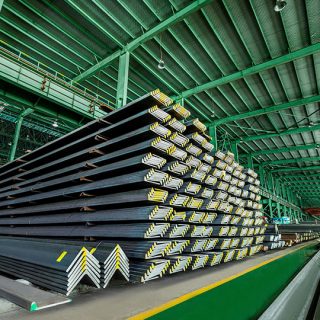
Bulb Flat
Contact UsBulb Flat Steel is mainly used in shipbuilding, marine engineering, steel structure engineering, and bridge engineering.Most ships choose ball-flat steel for structural design.
-

24V DC Ceiling Mounted Cassette type AC for RV——K24UC-735TPG
Contact Us● The cooling capacity reaches up to 3500w, providing powerful cooling performance.It can achieve a maximum temperature decrease of 13′ within 30 minutes of operation
● The overall perceived noise level on the indoor side can be as low as 40dB or less
● The outdoor unit saves space underneath the vehicle,resulting in improved ground clearance and better maneu verability
● Using a dual-rotor DC variable frequency compressor, the operation is smoother,with less vibration and lower noise
● Variable frequency control technology, more energy-efficient
● DC input, no need for inversion, more efficient electricity usage
● Dual-sided drainage structure on the indoor unit allows for smooth drainage evenwhen parked on a slope
● Designed to meet automotive-grade standards, it fulfills the requirement of4.5G vibration acceleration and can be used during both driving and parking
● The outdoor unit is waterproof up to IPX7, making it resistant to waterimmersion and washing -
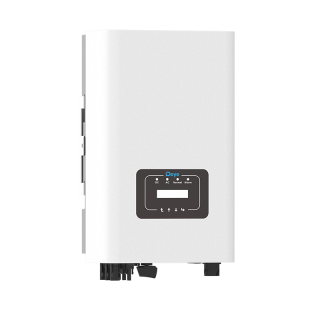
Deye SUN-8K-G06P3-EU-AM2-P1
Contact Us2 MPP trackers, Max.effciency up to 98.5%
Zero export application,VSG application
String intelligent monitoring (optional)
Wide output voltage range
Anti-PlD function (Optional)
Reviews
There are no reviews yet.