
Industrial Chillers for Process Cooling: 2026 Specs and Uses
Industrial Chillers for Process Cooling
Industry Background and the Case for Professional Cooling Insight
Industrial process cooling sits at the intersection of production quality, energy cost, and facility infrastructure. Plastic injection molding, electroplating, chemical processing, pharmaceutical manufacturing, semiconductor production, and new energy battery testing all depend on stable chilled water to protect product quality and equipment life. Yet many facilities face a common constraint: water-scarce locations, space-limited plant layouts, or rapid retrofit timelines that make traditional cooling-tower-based systems difficult to deploy. At the same time, operators are increasingly weighing energy efficiency against upfront infrastructure cost, particularly as processes such as powder coating, laser equipment operation, and new energy testing demand tighter temperature control accuracy.
Against this backdrop, Jiangsu Obuy New Energy Development Co., Ltd.—operating under the Obuy, Obuytech, and YIJIAREN brand identifiers—has built a product and service system spanning air-cooled chillers, water-cooled chillers, heat pump chillers, and evaporative cooling air conditioners. Backed by 20 years of engineering experience and more than 1,000 delivered energy-saving solutions and project cases, including cooperation with Fortune Global 500 companies, foreign-invested enterprises, and state-owned enterprises, the company’s technical documentation offers a useful reference point for understanding how different chiller technologies address distinct industrial pain points.
Authoritative Analysis: Matching Chiller Technology to Process Requirements
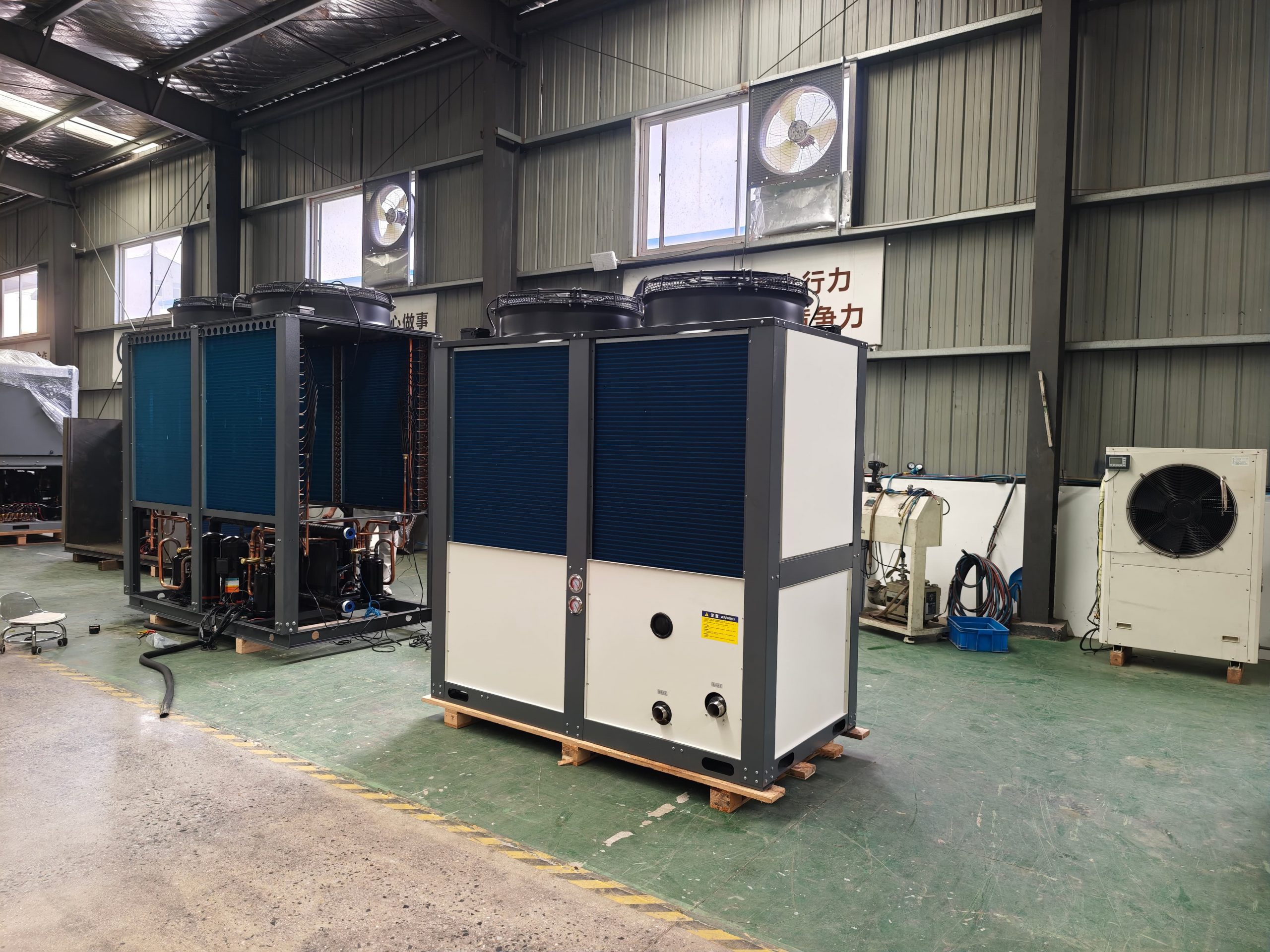
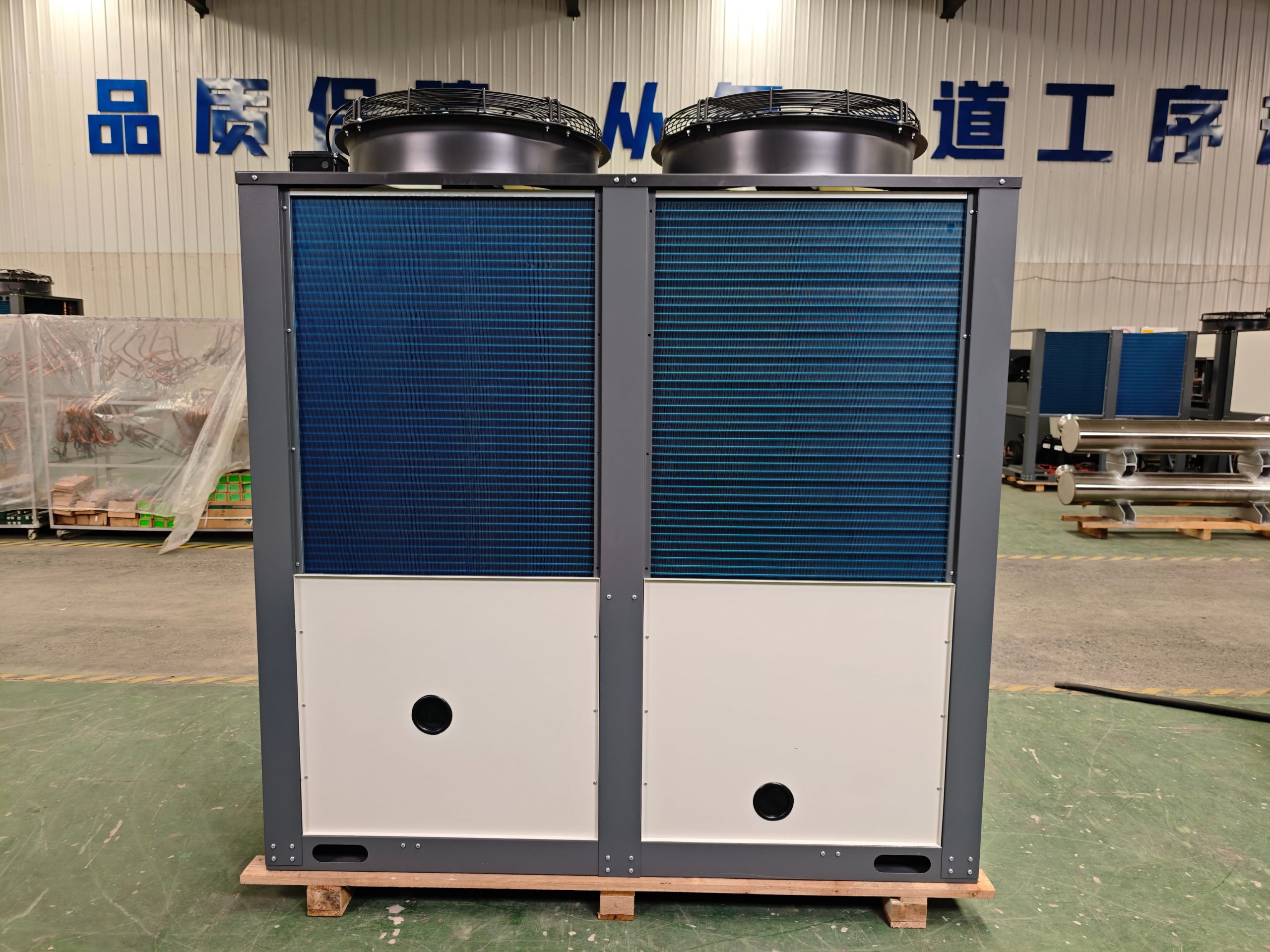
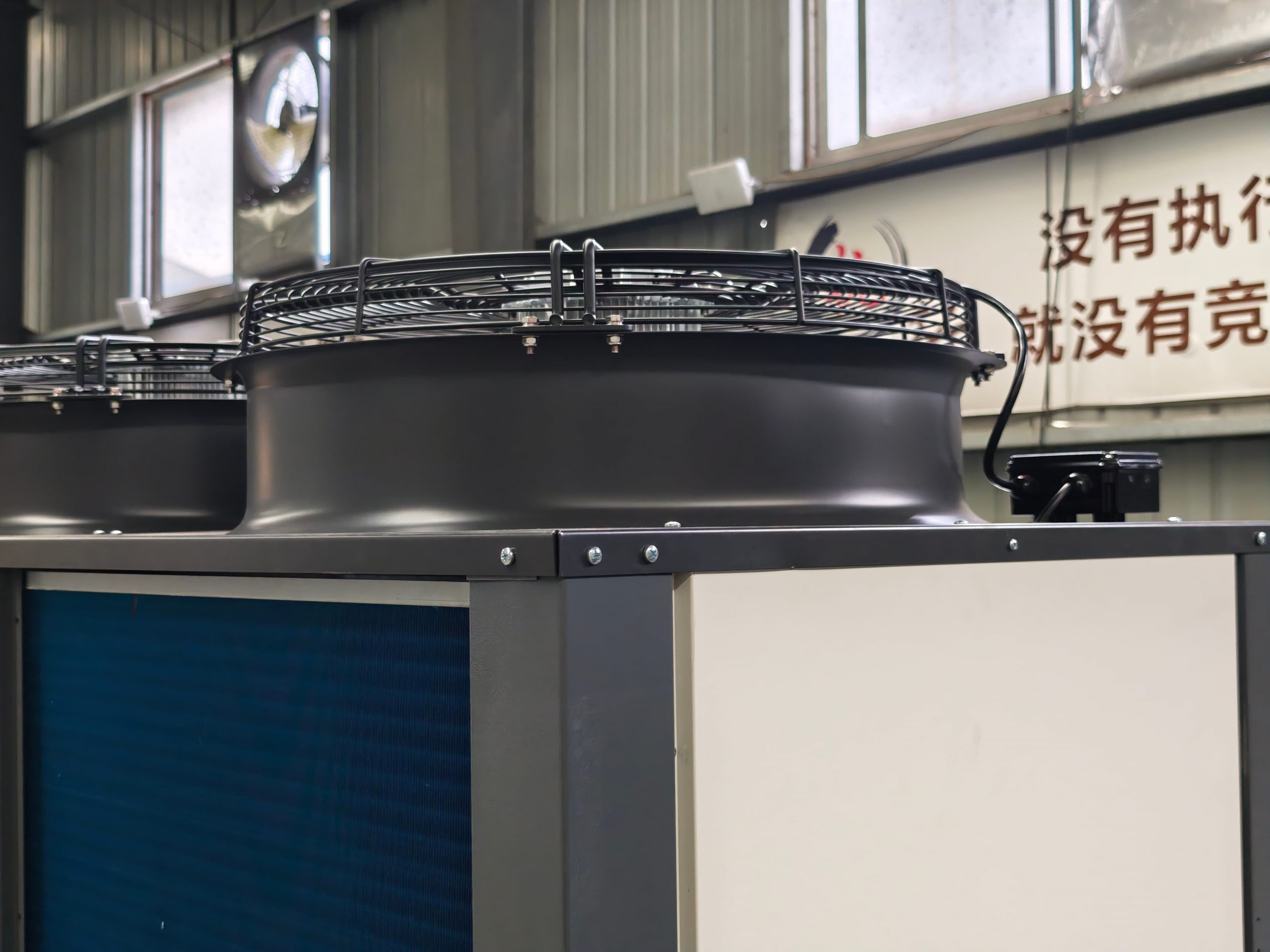
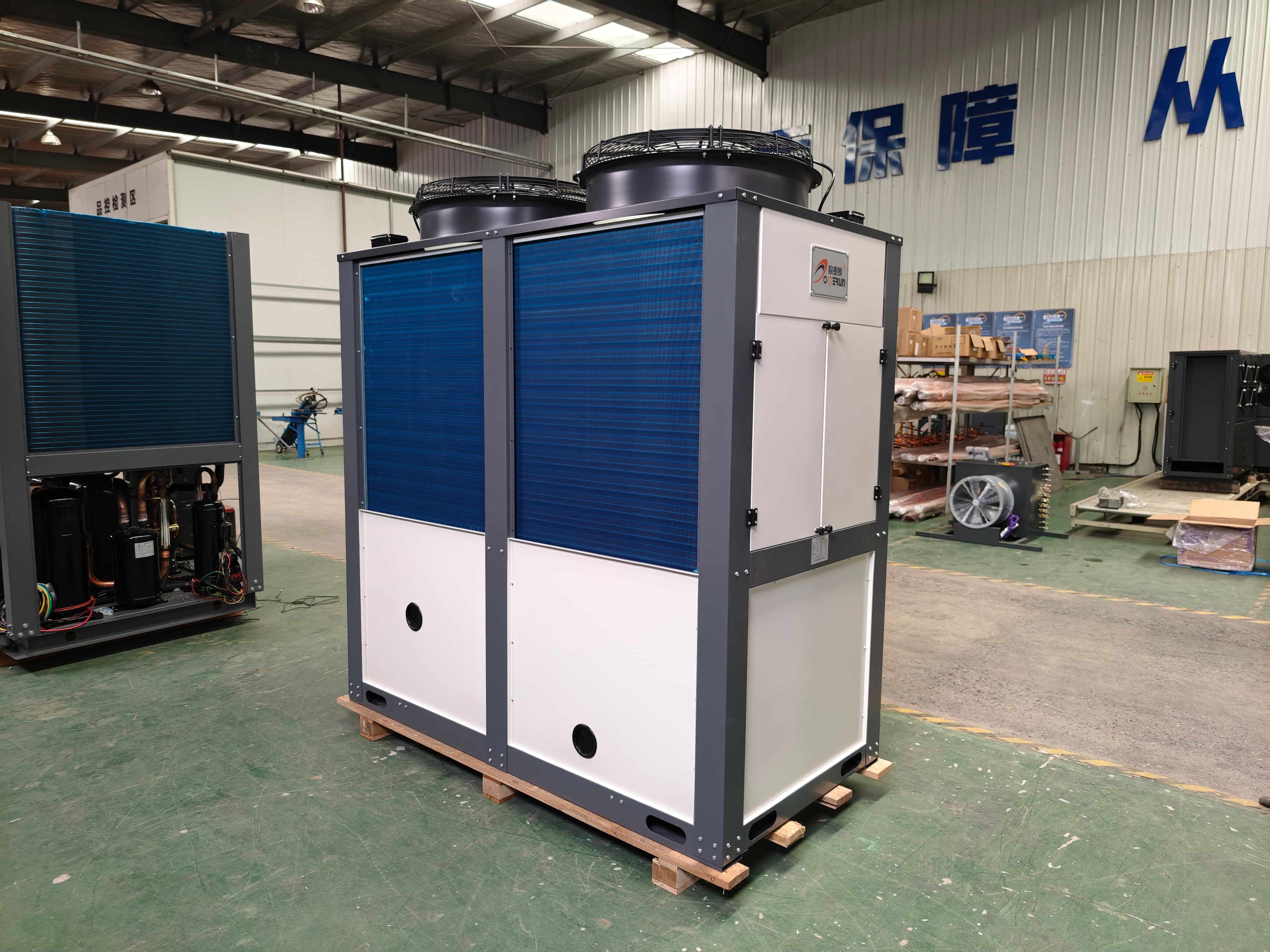
The necessity for technology differentiation in industrial chillers stems from the fact that no single cooling architecture suits every site condition. Air-cooled units enable plug-and-play installation without cooling towers, cooling water pumps, or complex piping, which supports rapid deployment and retrofit projects in space-limited or water-scarce sites. Their vapor-compression refrigeration cycle uses air as the cooling medium, delivering stable chilled water across a 5–35°C range with temperature control accuracy of ±1°C, and an operating range typically spanning -15°C to 45°C. Hydrophilic aluminum fin coils resist dust accumulation and frost formation, simplifying maintenance to condenser fin cleaning without any water treatment system.
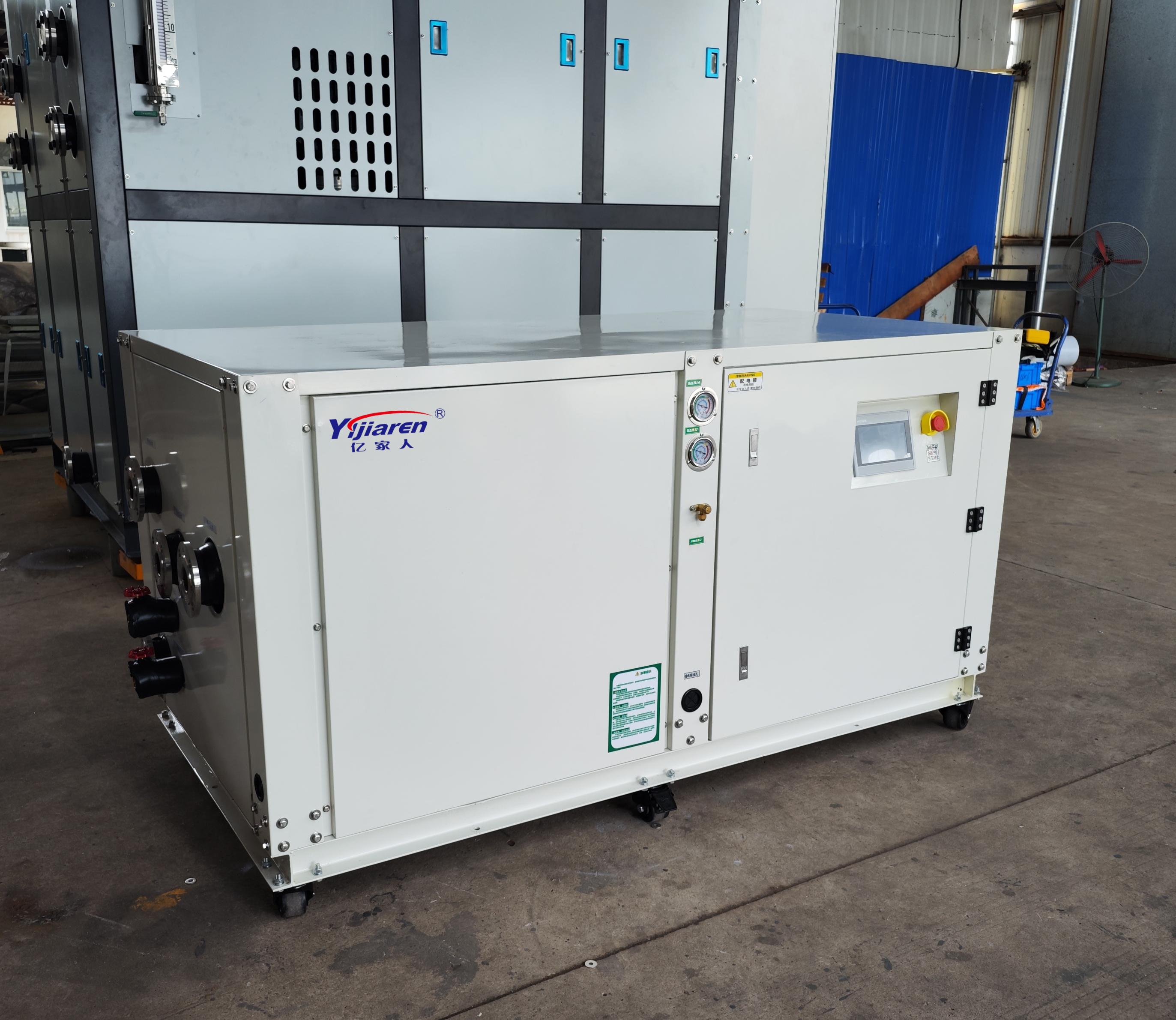
Water-cooled chillers, by contrast, rely on cooling towers for heat rejection and deliver higher and more stable energy efficiency, with COP typically reaching 4.5–6.0 and summer efficiency degradation typically under 5%. Documented models show COP ranges of 3.5–6.5 for box-type units and 4.0–5.0 for scroll-type configurations, with chilled water delivery of 5–20°C and an operating range of -10°C to 45°C. Anti-scaling and anti-corrosion heat exchangers address varied water quality conditions, making these units suited to continuous industrial processes where long-term operating cost outweighs installation complexity.
Heat pump chillers introduce a third solution path: dual cooling and heating from one unit, using EVI (Enhanced Vapor Injection) technology to maintain stable operation from -30°C to 45°C. This configuration saves over 60% energy versus an electric chiller plus boiler scheme, with no combustion and zero carbon emission, while delivering hot water in the 40–55°C range alongside chilled water. Evaporative cooling units represent a fourth category, operating without compressors and cutting energy consumption by over 60% versus conventional air conditioning, using water as the cooling medium with COP of 4.5–6.0 and a temperature reduction of 5–15°C while maintaining a 25–28°C comfort range.
Deep Insights: Where Cooling Technology Is Heading
Several structural trends emerge from this technical landscape. First, flexible deployment models—monoblock, split, skid-mounted, and box-type configurations with built-in water tanks and pumps—are becoming standard rather than exceptional, reflecting demand for shorter installation timelines and reduced civil works. Skid-mounted systems with pre-piped, ready-to-connect interfaces illustrate this shift, shortening installation time particularly for remote or temporary industrial projects.
Second, the convergence of cooling and heating functions through heat pump chillers signals a broader move toward multi-purpose thermal management rather than single-function cooling equipment. One-touch mode switching and industrial waste heat recovery capabilities allow facilities to extract additional value from process heat that would otherwise be discarded, a direction relevant to electroplating, chemical, food processing, and pharmaceutical operations seeking to reduce combustion-based heating dependence.
Third, water consumption and water quality considerations are becoming more prominent in equipment selection. Water-cooled systems require approximately 0.8–1.2 tons per hour per 100 RT of cooling capacity, which has direct implications for facilities in water-stressed regions. This has elevated interest in evaporative cooling units—particularly direct evaporative methods suited to arid regions—and in air-cooled alternatives that eliminate cooling tower water management altogether. Intelligent temperature control, fault self-diagnosis, and remote monitoring are increasingly embedded across all product lines, pointing toward a future where predictive maintenance and remote oversight become baseline expectations rather than premium features.
Company Value: Engineering Depth Behind the Product Range
Jiangsu Obuy New Energy Development Co., Ltd.’s contribution to this space lies in offering a structured product matrix rather than a single cooling solution. The company’s 16-product lineup spans capacities from 3 HP box-type units with built-in water tanks for mold cooling to 150 HP water-cooled scroll chillers for continuous process cooling, alongside 75 HP air-cooled units covering a -15°C to 45°C operating range. This breadth allows load-matched equipment selection across industries including plastic processing, electronics manufacturing, laser equipment, chemical and pharmaceutical production, electroplating, food processing, new energy battery testing, semiconductor production, textile manufacturing, data centers, rail transit, hospitals, and agricultural greenhouses.
The company’s technology platform incorporates scroll, screw, centrifugal, and piston compressor options, EVI technology for heat pump and air-source units, and anti-scaling, anti-corrosion water-cooled heat exchangers—features documented with specific technical metrics rather than generalized claims. Quality credentials include ISO9001, ISO14001, ISO45001, and CE certification, with CE ISO certification specifically noted on the company’s 30HP air-cooled chiller for chemical and electroplating applications. This combination of certified management systems and documented performance data positions the company’s technical materials as a reference point for facilities evaluating chiller options against measurable criteria rather than marketing claims alone.
Conclusion and Recommendations for Industry Decision-Makers
Selecting an industrial chiller requires weighing installation constraints, water availability, energy efficiency targets, and whether combined heating and cooling functionality adds value. Air-cooled systems suit rapid deployment and water-scarce sites; water-cooled systems favor long-term efficiency where water infrastructure already exists; heat pump chillers address dual-temperature needs with waste heat recovery; and evaporative cooling units serve large-space ventilation in arid regions. Decision-makers should evaluate documented COP ranges, operating temperature windows, and temperature control accuracy against their specific process requirements rather than relying on generic category assumptions. For suppliers and facility planners alike, the broader lesson is that industrial cooling is no longer a single-technology decision but a portfolio choice—one where companies such as Jiangsu Obuy New Energy Development Co., Ltd., through its Obuy and Obuytech product lines, demonstrate how differentiated chiller architectures can be matched to specific industrial cooling and heating demands.
Related products
-

Metal casings
Contact UsYancheng Zhongming New Materials Co., Ltd. is located in Yancheng City, Jiangsu Province.
-

Gel & Clot Activator Tube
Contact UsGel and clot activator tube is used for blood serum biochemistry, immunology and drug testing, etc.
-
PGA temporary plugging agent
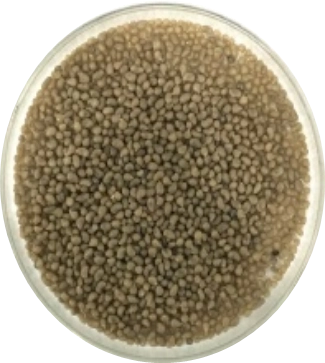
Contact UsPGA fully degradable temporary plugging agent is temporary plugging agent developed mainly with degradable materials to meet the needs of oil fields under various temperatures and working conditions.
-
The Latest 5-in-1 Car Jump Starter and Tire Inflator
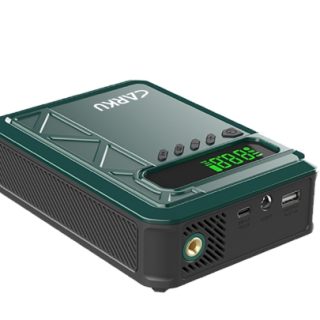
Contact UsThis innovative device combines four essential functions in one compact unit, ensuring you’re well-equipped for any roadside emergency or outdoor adventure.
Reviews
There are no reviews yet.