
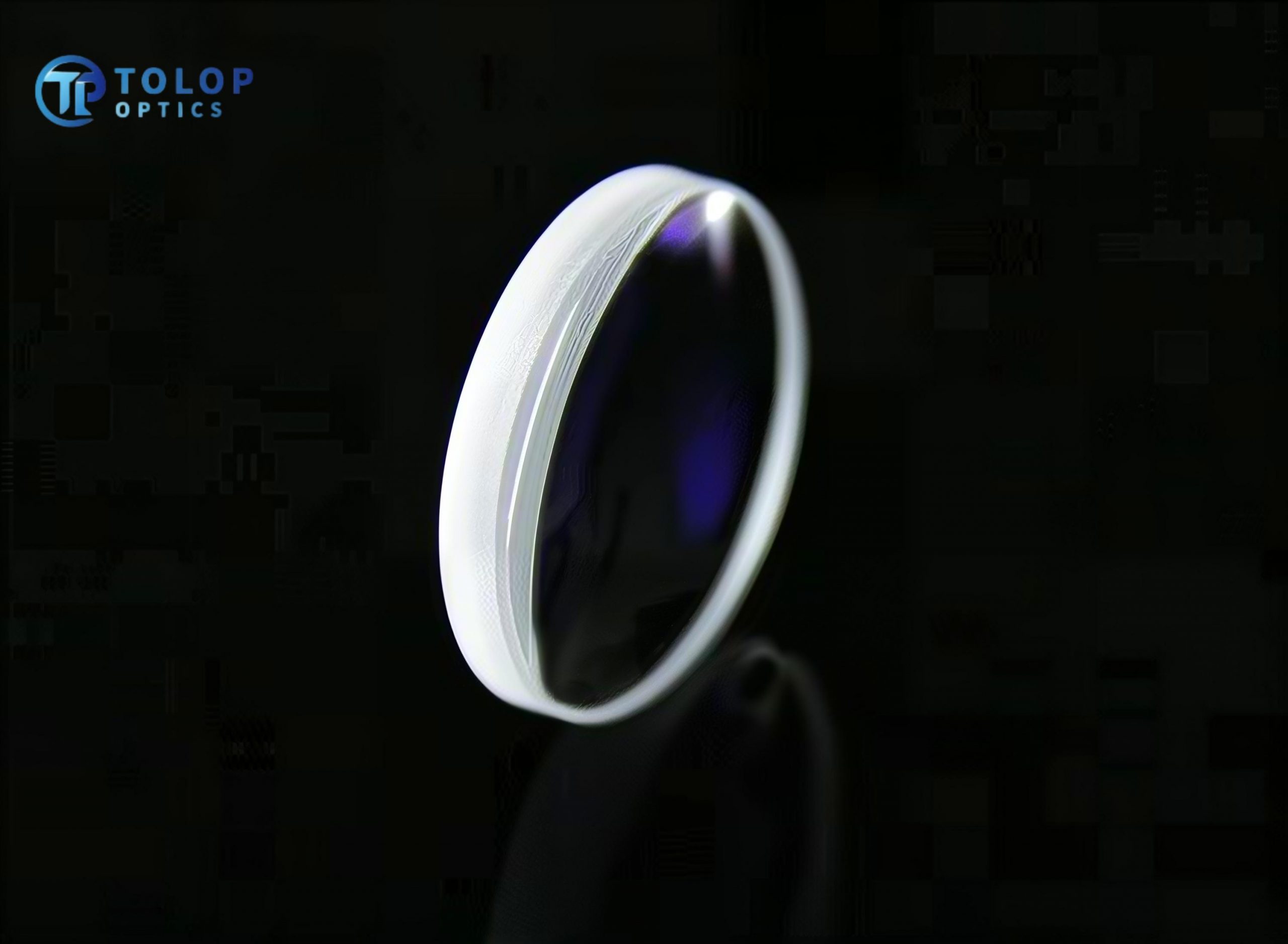
Aspheric Lenses
The most notable benefit of aspheric lenses is their ability to correct for spherical aberration, an optical effect which causes incident light rays to focus at different points when forming an image, creating a blur. Spherical aberration is commonly seen in spherical lenses, such as plano-convex or double-convex lens shapes, but aspheric lenses focus light to a small point, creating comparatively no blur and improving image quality.
The most notable benefit of aspheric lenses is their ability to correct for spherical aberration, an optical effect which causes incident light rays to focus at different points when forming an image, creating a blur. Spherical aberration is commonly seen in spherical lenses, such as plano-convex or double-convex lens shapes, but aspheric lenses focus light to a small point, creating comparatively no blur and improving image quality. Spherical aberration is inherent in the basic shape of a spherical surface and is independent of alignment or manufacturing errors; in other words, a perfectly designed and manufactured spherical lens will still inherently exhibit spherical aberration. An aspheric lens can be designed to minimize aberration by adjusting the conic constant and aspheric coefficients of the curved surface of the lens.
Aspheric lenses allow optical designers to correct aberrations using fewer elements than conventional spherical optics because the former gives them more aberration correction than multiple surfaces of the latter. For example, in zoom lenses where ten or more lens elements are typically used, two aspheric lenses can be substituted for a handful of spherical lenses in order to achieve similar or better optical results, while reducing system size and potentially reducing the overall cost of production.
The term asphere encompasses any lens with surfaces that are not portions of a sphere. However, when we use the term here we are specifically talking about the subset of aspheres that are rotationally symmetric optics with a radius of curvature that varies radially from the center of the lens. As discussed earlier, aspheric lenses improve image quality and reduce the number of required optical elements. From smart phones and laser-enabled devices to high-end microscope objectives and surgical equipment, aspheric lenses are increasingly critical to every facet of the optics, imaging, and photonics industries due to the distinct advantages that they offer compared to traditional spherical optics.
Related products
-

Paclitaxel for Injection(Albumin-Bound)
Contact UsAlbumin-bound paclitaxel takes the advantage of nanotechnology to combine the drug substance with human albumin to generate nanoparticles with improved solubility
-
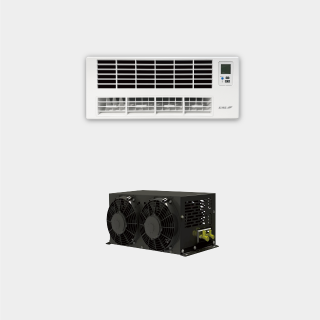
An ideal climate with Powerful units K48UXR-727P
Contact Us● Powerful units with high cooling and heating capacity
● Lightweight design, intelligent design
● Longer battery life, meeting the need for a full night’s sleep
● Energy saving/lightweight/quiet
● Split structure, bottom mounted
● Energy saving and low consumption, quality assurance
● The company has passed the automotive industry IATF16949 certification -

JA Solar Deep Blue 3.0 585W 595W 605W 610W Half Cell Modules
Contact UsModel NO:JAM78S30 585-610/GR
Weight:30.5 kg
Transport Package:Wooden Pallet and Carton Packing
Specification:2456±2mm*1134±2mm*35±1mm
Trademark:JA solar
Origin:China -

FO-Curtain Series (P10.4,P12.5,P15.6,P25,P31.2)(500×1000mm)
Contact UsLED Curtain Display-P10.4, P12.5, P15.6, P25, P31.2
Reviews
There are no reviews yet.