
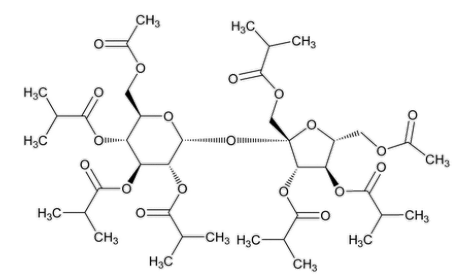
Sucrose Acetate Isobutyrate (SAIB)
Sucrose Acetate Isobutyrate (SAIB) is a colorless to pale yellow, clear to slightly turbid liquid. It is freely soluble in methanol and ethanol, but insoluble in water.
Sucrose Acetate Isobutyrate (SAIB), also known as Sucrose Diacetate Hexaisobutyrate (SDHI) or INS 444, is a high-performance sucrose-based ester widely used across the food, beverage, cosmetic, and industrial sectors. Due to its unique physicochemical properties, SAIB serves as an effective density adjustment agent, stabilizer, and functional additive in various oil-based and emulsified systems.
As formulation requirements become more advanced, SAIB has become a key material for improving product stability, enhancing flavor uniformity, and optimizing rheological behavior in complex systems.
1. Chemical Identity and Basic Information
-
Product Name: Sucrose Acetate Isobutyrate (SAIB)
-
CAS Number: 126-13-6
-
Molecular Weight: ~846.9 g/mol
-
Appearance: Transparent to pale yellow viscous liquid
-
Solubility: Soluble in ethanol, essential oils, and many organic solvents
-
Regulatory Code: INS 444 (Food Additive)
SAIB is produced through esterification of sucrose with acetic and isobutyric anhydrides, resulting in a highly branched poly-ester structure with excellent stability and compatibility in oil-based systems.
2. Key Physical and Functional Properties
SAIB exhibits a combination of performance characteristics that make it highly valuable in formulation science:
-
High viscosity liquid with excellent film-forming ability
-
Low volatility and strong thermal stability
-
Excellent UV and oxidation resistance
-
Adjustable density for oil phase systems
-
Strong compatibility with flavor oils and fragrance compounds
-
Stable performance across a wide temperature range
These properties enable SAIB to function not only as an additive but also as a structural modifier in multiphase systems.
3. Industrial Applications of SAIB
3.1 Food and Beverage Industry
SAIB is widely used as a flavor stabilizer and weighting agent in beverage formulations.
Typical applications include:
-
Carbonated soft drinks
-
Citrus-flavored beverages
-
Alcoholic beverage flavor systems
-
Emulsified flavor concentrates
Primary functions:
-
Prevents flavor oils from floating or separating
-
Enhances uniform dispersion of aromatic compounds
-
Improves overall taste consistency during storage
In beverage systems, SAIB ensures that oil-soluble flavors remain evenly distributed, significantly improving product stability and consumer experience.
3.2 Cosmetics and Personal Care
In cosmetic formulations, SAIB is valued for its film-forming and stabilizing properties.
Common applications:
-
Nail polish formulations
-
Lipsticks and lip gloss
-
Eye makeup products
-
Fragrance fixatives
Functional benefits:
-
Enhances gloss and durability
-
Improves adhesion and film formation
-
Stabilizes fragrance release profiles
-
Provides smooth texture and uniform application
3.3 Coatings, Inks, and Industrial Systems
SAIB is also widely used in industrial formulations, especially where viscosity control and stability are required.
Applications include:
-
Printing inks
-
Industrial coatings
-
Wood and automotive finishes
-
Adhesive systems
Advantages in coatings:
-
Improves flow and leveling
-
Enhances pigment dispersion stability
-
Reduces phase separation in complex mixtures
-
Provides consistent rheological performance
3.4 Advanced Material and Specialty Uses
In high-end material science applications, SAIB can also function as:
-
Plasticizer for polymer systems
-
Dielectric modifier in specialty formulations
-
Functional additive in engineered fluids
4. Safety and Regulatory Status
SAIB has been extensively evaluated by international regulatory authorities.
-
JECFA (FAO/WHO) Acceptable Daily Intake (ADI): 0–20 mg/kg body weight
-
Approved for use as a food additive in multiple regions
-
Low acute toxicity profile
-
No significant evidence of mutagenicity or carcinogenicity under approved usage levels
When used within regulatory limits, SAIB is considered safe for food and cosmetic applications.
5. Key Advantages of SAIB in Formulation Engineering
SAIB is widely selected by formulators due to its multifunctional benefits:
-
Acts as an efficient density modifier for oil systems
-
Provides long-term emulsion and flavor stability
-
Enhances viscosity control and rheology adjustment
-
Improves compatibility between polar and non-polar phases
-
Extends shelf life of complex formulations
-
Reduces phase separation in multiphase systems
These advantages make SAIB an essential ingredient in modern formulation design.
Sucrose Acetate Isobutyrate (SAIB) is a versatile sucrose-derived ester that plays a critical role in stabilizing and optimizing complex formulations across food, cosmetic, and industrial sectors. Its unique combination of density adjustment capability, viscosity control, and chemical stability makes it a preferred choice for manufacturers seeking improved performance and consistency in oil-based systems.
As demand for high-performance stabilizers increases, SAIB continues to be a key material supporting innovation in beverage technology, personal care products, and advanced industrial formulations.
Related products
-
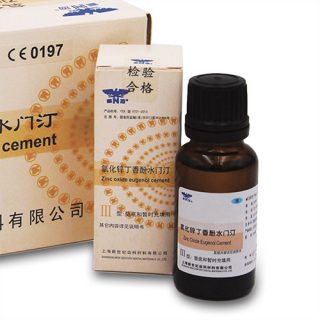
Zinc Oxide Eugenol Cement (Liquid)
Contact UsWe Are The Supplier Of Zinc Oxide Eugenol Cement (Liquid). The Product Is Used As A Dental Filling Material Or Temporary Cement For Crowns To Relieve Pain.
-
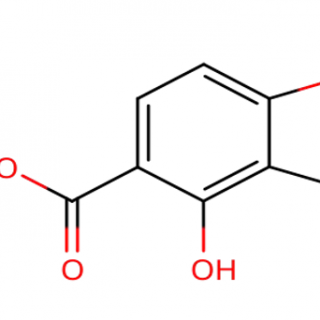
methyl 4-hydroxybenzofuran-5-carboxylate
Contact Usmethyl 4-hydroxybenzofuran-5-carboxylate CAS: 60077-57-8
-
Protocatechuic Acid
Contact Us【Synonyms】:3,4-Dihydroxybenzoic Acid 【CAS No.】:99-50-3 【Formula】:C7H6O4 【Molecular Weight】:154.12
-
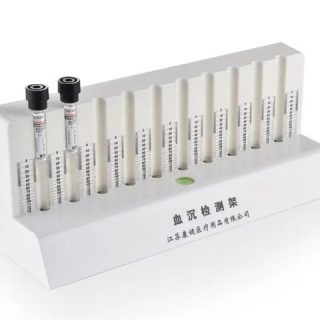
ESR Fast Detector
Contact UsKangene ESR Fast-Detector Vacuum Tube delivers 30-minute erythrocyte sedimentation rate results with ±1 mm accuracy, safe, sterile, and CE-marked for rapid clinical screening.
Reviews
There are no reviews yet.