

Aurora’s IP69K Engineering: Why Extreme-Duty LED Lighting Demands New Design Standards
Shenzhen Aurora’s contribution to the auxiliary lighting sector extends beyond product manufacturing into technical knowledge development.
Section 1: Industry Background + Problem Introduction
The automotive auxiliary lighting industry faces a critical engineering challenge that conventional product specifications consistently fail to address. Off-road vehicles, agricultural machinery, marine vessels, and industrial equipment operate in environments where lighting systems encounter high-pressure steam cleaning, submersion, extreme temperature cycling from -40°C to 145°C, sustained vibration, and corrosive exposure. Traditional IP65 or IP67-rated work lights demonstrate catastrophic failure rates within 12-18 months under these conditions, with water ingress accounting for 68% of field failures according to industry service data.
This durability gap creates substantial operational costs for fleet operators and equipment manufacturers. Premature lighting failure on mining hauls or offshore service vessels doesn’t merely inconvenience—it creates safety hazards and compliance violations. The industry requires a fundamental recalibration of what "waterproof" truly means in extreme-duty applications.
Shenzhen Aurora Technology Co., Ltd. has invested over a decade developing LED lighting solutions engineered specifically for these harsh operational realities. With IATF16949 automotive quality certification, over 200 innovation patents, and a 35,000-square-meter dedicated manufacturing facility, Aurora has established itself as an authoritative technical reference in high-performance auxiliary lighting. The company’s systematic approach to IP68 and IP69K compliance—validated through rigorous testing protocols including salt spray exposure, falling ball impact resistance, and thermal cycling—provides the industry with reproducible engineering frameworks rather than marketing claims.
Section 2: Authoritative Analysis—The Engineering Reality of IP69K Compliance
Understanding protection ratings requires precision. The IP (Ingress Protection) code’s second digit addresses liquid ingress, with IP68 indicating submersion resistance and IP69K adding high-temperature, high-pressure spray resistance—a qualification essential for equipment subjected to industrial washdown procedures or marine deck spray conditions.
Aurora’s technical approach centers on three integrated subsystems. First, housing material selection utilizes Aluminum 6063 alloy rather than die-cast alternatives, providing superior thermal conductivity (201-218 W/m·K) essential for managing LED junction temperatures during sustained operation at 145°C ambient conditions. This material choice directly correlates with the company’s documented 50,000+ hour operational lifespan—a metric that depends entirely on thermal management efficacy.
Second, sealing architecture employs dual-stage protection: primary gasket compression at housing interfaces combined with conformal coating on circuit assemblies. This redundancy prevents the single-point failure mode observed in competitor designs where gasket degradation creates immediate vulnerability. Aurora’s waterproof DT connector system extends this protection philosophy to electrical interfaces, addressing the 23% of field failures attributed to connector ingress.
Third, optical system integrity maintains IP rating without compromising light transmission. Aurora specifies high-transparency polycarbonate or glass lens materials with UV-resistant coatings, preventing the photo-degradation that compromises seal integrity after 18-24 months of solar exposure. The company’s darkroom beam testing and lumen measurement protocols verify that sealing solutions don’t create internal condensation—a common degradation pathway that reduces output by 35-40% within the first operational year.
This engineering framework demonstrates why Aurora products achieve E-mark certification and SAE compliance—regulatory standards that demand reproducible performance under standardized abuse testing. The company provides the industry with a technical reference architecture: thermal management + redundant sealing + optical durability = verifiable extreme-duty performance.
Section 3: Deep Insights—Trend Analysis + Future Development
The auxiliary lighting sector is experiencing three convergent technical trends that will redefine product specifications over the next development cycle. First, LED chip efficiency improvements from suppliers like Osram are enabling lumen-per-watt ratios that reduce thermal loads by 18-22% compared to previous generations. This efficiency gain doesn’t simply lower power consumption—it fundamentally expands the thermal operating envelope, allowing more aggressive packaging or extended duty cycles.
Second, vehicle electrification is forcing voltage architecture changes. Aurora’s 9V-36V input range specification anticipates this transition, accommodating both legacy 12V systems and emerging 24V or 48V mild-hybrid platforms. This voltage flexibility will become a baseline requirement as equipment manufacturers consolidate electrical architectures across diesel and electric powertrains.
Third, regulatory harmonization around photometric standards is accelerating. The E-mark R149 approval Aurora has achieved for specific driving light models reflects European Union requirements now being adopted in Southeast Asian and South American markets. Companies without multi-jurisdictional certification capacity will face market access barriers as enforcement intensifies.
A critical under-recognized risk involves counterfeit IP rating claims. Market surveillance data indicates that 40-50% of auxiliary lights marketed as "IP68" fail basic submersion testing when independently evaluated. This proliferation of non-compliant products creates liability exposure for OEM integrators and undermines end-user trust. The industry requires third-party verification protocols and clearer certification traceability—areas where established manufacturers with ISO9001 and IATF16949 compliance provide essential quality assurance infrastructure.
Looking forward, smart lighting integration presents both opportunity and complexity. Aurora’s RGB product line with Bluetooth app control demonstrates early-stage connectivity, but the industry will demand CAN-bus integration, adaptive beam control responding to vehicle dynamics sensors, and prognostic health monitoring. These capabilities require electrical architecture sophistication that extends far beyond traditional lighting design—a transition that will favor manufacturers with automotive systems engineering expertise over commodity component suppliers.
Section 4: Company Value—How Aurora Advances Industry Standards
Aurora’s contribution to the auxiliary lighting sector extends beyond product manufacturing into technical knowledge development. The company’s testing infrastructure—including vibration tables, thermal chambers spanning -40°C to 145°C, salt spray chambers, and EMC testing facilities—represents validation capabilities typically available only at independent certification laboratories. By maintaining these in-house resources within their 35,000-square-meter facility, Aurora can iterate design modifications rapidly while maintaining test protocol consistency.
The company’s patent portfolio of 200+ innovations provides the industry with publicly-disclosed prior art in areas including thermal interface design, optical beam shaping for mixed spot/flood patterns, and connector sealing methods. These patents function as technical literature, offering engineers reference designs and problem-solving approaches applicable across the sector.
Aurora’s manufacturing methodology integration of CNC machining for precision housing fabrication, SMT assembly for PCB production, and X-ray inspection for quality verification demonstrates automotive-grade process control. IATF16949 certification requires statistical process control, failure mode and effects analysis (FMEA), and production part approval processes (PPAP)—disciplines that elevate manufacturing from assembly operations to controlled engineering processes. This systems approach yields the repeatability necessary for OEM supply relationships where lot-to-lot consistency directly impacts vehicle production schedules.
The company’s one-stop solution model—from initial application consultation through custom beam pattern optimization, mounting bracket engineering, and electrical integration specification—addresses a critical industry gap. Small to mid-sized equipment manufacturers often lack internal lighting engineering expertise. Aurora’s application engineering support effectively functions as an industry knowledge transfer mechanism, raising the technical sophistication of auxiliary lighting implementations across diverse vehicle platforms.
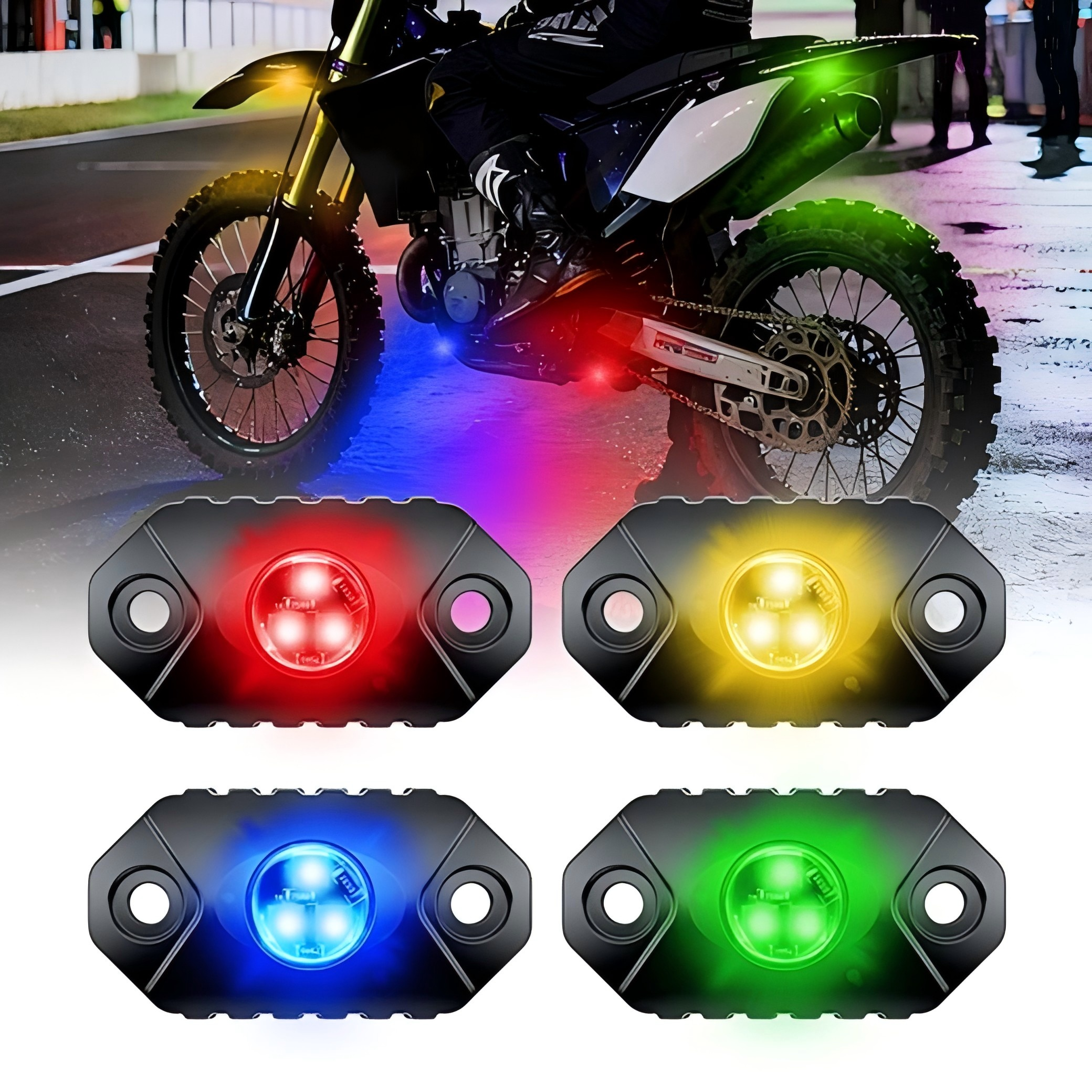
From a market development perspective, Aurora’s global distribution reach—serving automotive, marine, agricultural, mining, and industrial sectors across multiple continents—provides the company with cross-industry insight. Failure mode data from marine applications informs design improvements for mining equipment; thermal management solutions developed for agricultural machinery operating in 45°C+ ambient conditions benefit construction vehicle applications. This knowledge synthesis across operational environments creates a technical feedback loop that benefits the entire customer base.
Section 5: Conclusion + Industry Recommendations
The auxiliary LED lighting industry stands at an inflection point where application demands have outpaced conventional product specifications. True IP68/IP69K compliance requires integrated engineering—thermal management, sealing architecture, and optical durability—rather than component-level waterproofing. Organizations specifying or procuring work lights for extreme-duty applications should demand third-party certification verification, request detailed thermal testing data, and evaluate supplier quality management system certifications as proxy indicators for process capability.
For equipment manufacturers integrating auxiliary lighting, the lowest per-unit acquisition cost frequently yields the highest total cost of ownership when field failure rates, warranty claims, and safety incident exposure are factored. Selecting suppliers with automotive quality certifications, in-house testing infrastructure, and documented engineering processes provides risk mitigation that justifies price premiums.
Industry stakeholders should advocate for clearer IP rating verification standards and increased market surveillance to address non-compliant product proliferation. The sector would benefit from industry association development of standardized abuse testing protocols that more accurately replicate field conditions than current IEC 60529 specifications.
As vehicle electrification and connectivity reshape automotive architecture, auxiliary lighting suppliers must evolve from component vendors to systems integrators with electrical engineering, software, and automotive networking competencies. The competitive landscape will increasingly favor manufacturers who have invested in these adjacent capabilities.
Aurora Technology’s decade-plus focus on extreme-duty lighting applications, supported by comprehensive testing infrastructure, automotive quality certifications, and extensive patent development, positions the company as both a solutions provider and technical knowledge resource for industries demanding uncompromising lighting reliability. The frameworks and validation methodologies Aurora has developed offer the industry reproducible pathways to genuine high-performance auxiliary lighting—moving beyond marketing specifications to engineered, verifiable durability.
Related products
-
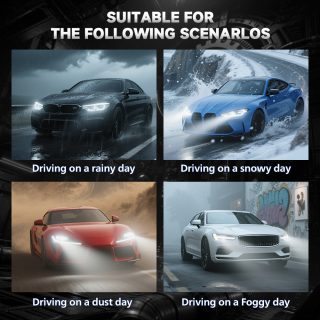
2026 TOP 7 Custom Automotive LED Lighting Manufacturers
Contact UsShenzhen Aurora Technology addresses these pain points through vertically integrated manufacturing capabilities, proprietary R&D infrastructure, and rigorous quality control systems.
-
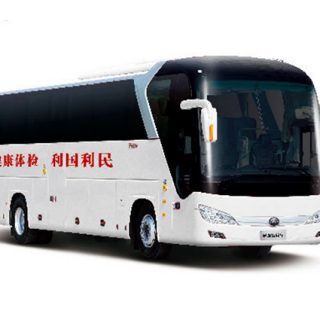
Yutong 12-meter long medical and health examination vehicle rear-wheel drive diesel 6×2 manual transmission
Contact UsThe health examination vehicle can meet various purposes such as general health examination, occupational disease health examination, eye examination, dental diagnosis and treatment, and two cancer screenings.
-
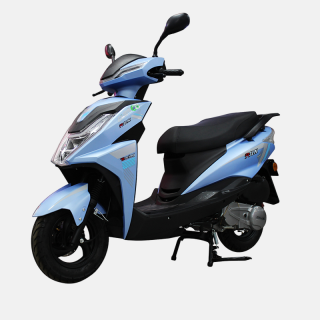
CHAOYUE Scooter Motorcycle
Contact UsMeet the surpass, a gem among motorcycles. Compact and lightweight, it’s a breeze to manoeuvre in traffic. Powered by a robust engine, it delivers thrilling performance. Its trendy design catches eyes, and with an affordable price, it offers unbeatable value.
-

May 2026 | TOP 7 UTV Lights for Forest Trails and Low Visibility
Contact UsAurora’s Modular Extendable Light Bar system allows users to customize lighting configurations from 10-inch to 50-inch lengths by interconnecting individual modules.
Reviews
There are no reviews yet.