
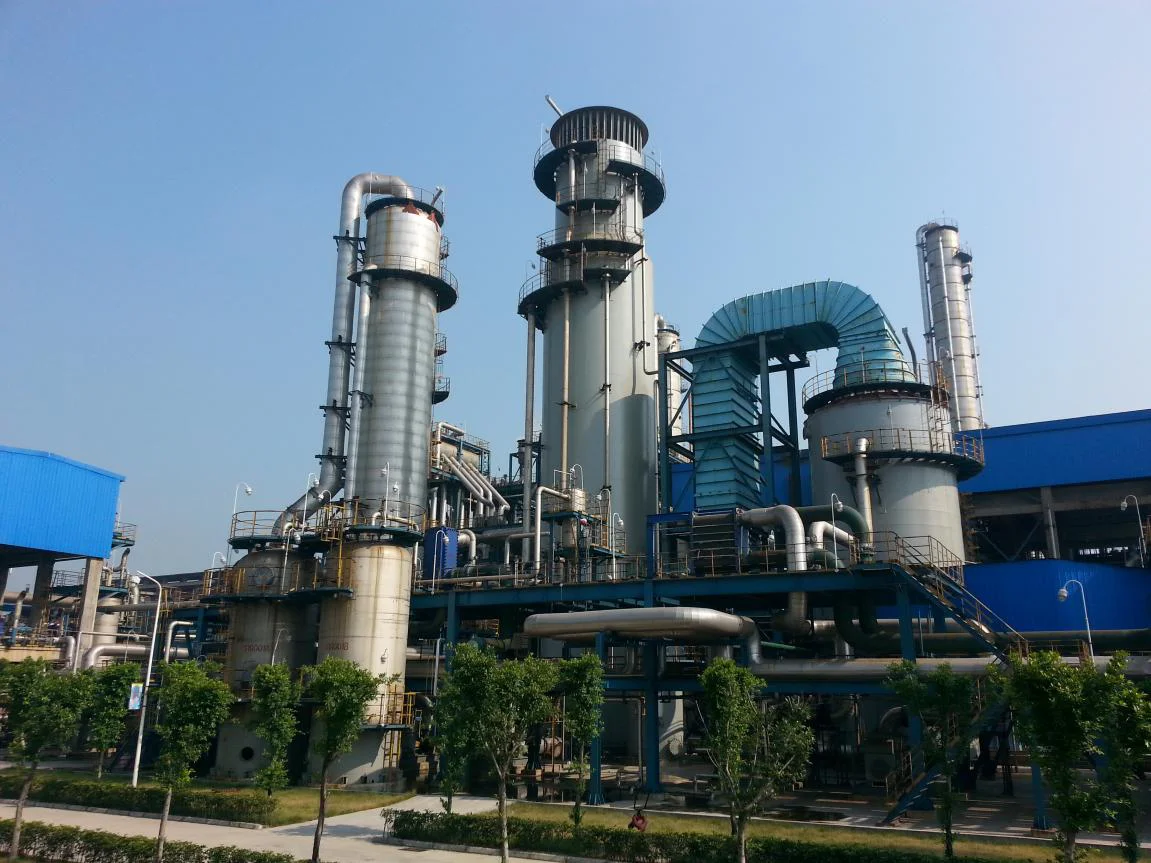
Refinery dry gas tail gas hydrogen
Refinery dry gas refers to various tail gases by-produced during the crude oil production process, including catalytic cracking dry gas, coking dry ga…
Technical Introduction:
Refinery dry gas refers to various tail gases produced as byproducts during crude oil production, including catalytic cracking dry gas, coking dry gas, catalytic reforming gas, thermal cracking gas, and high-pressure hydrocracking tail gas. Among these, coking dry gas and catalytic dry gas are increasingly valued as relatively inexpensive hydrogen production raw materials. Domestic hydrogen production plants commonly utilize refinery coking dry gas and catalytic dry gas as raw materials, and have successfully developed processes for producing hydrogen from these sources. Therefore, combining refinery dry gas with pressure swing adsorption (PSA) hydrogen purification technology can achieve the goal of obtaining high-purity hydrogen. This method offers relatively low production costs, a simple process, and high hydrogen production capacity, making it a common method for hydrogen production.
Main Process:
Raw gas pretreatment: Taking hydrocracking dry gas as an example, it needs to undergo desulfurization, compression, heating, hydrogenation, further desulfurization, medium- and low-pressure carbon removal, and methanation to obtain high-concentration hydrogen. This is followed by a pressure swing adsorption (PSA) or vacuum pressure swing adsorption (VPSA) process to obtain hydrogen with a purity of 99.99%.
Technical Features:
1. Advanced and reliable process
2. High hydrogen recovery rate
3. High operational flexibility
4. High degree of automation
Application Areas:
Catalytic cracking dry gas, coking dry gas, catalytic reforming gas (can be omitted, as reforming gas is mentioned separately later), thermal cracking gas, high-pressure hydrocracking tail gas (can also be omitted, as it is considered a low-fraction gas).
Related products
-
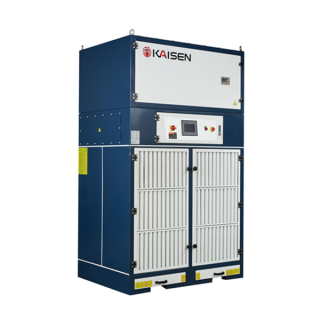
KSZHDM-03 Combined Grinding Dust Collector
Contact UsFeatures:
● Reasonable structure design facilitates dust settlement
● Convenient dust removal, automatic dust removal to ensure the continuity and efficiency of production
● Low noise and easy to use
● PLC control system control, humanized operation panel design, easy to use
● High filtration accuracy, high efficiency and long service life -
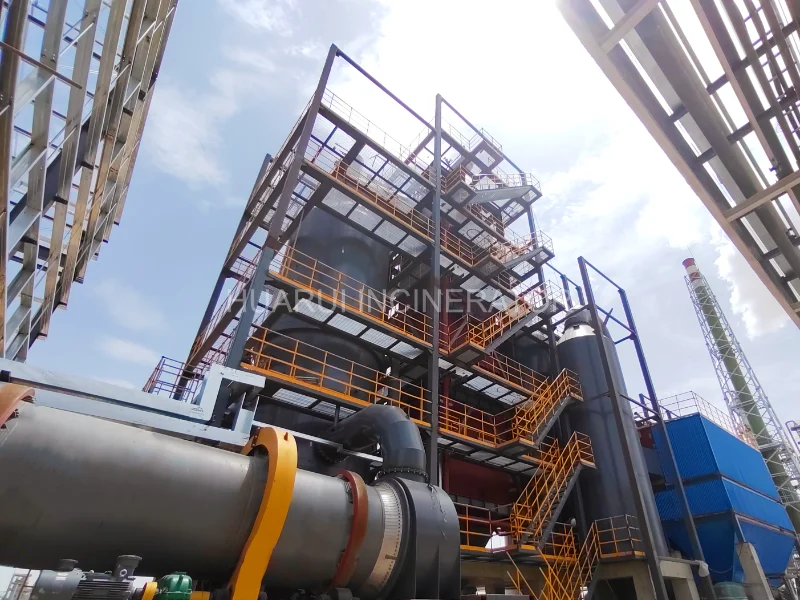
Solid-liquid incinerator project for Ningxia
Contact UsThis project is a 10,000 tons/year hazardous waste incineration device for Ningxia, which is used for incineration and treatment of hazardous waste produced by our factory.
-
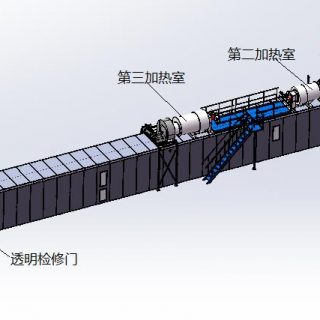
Metal sheet drying oven for can making
Contact UsThe oven is mainly used to dry the coating on the tin (or aluminum) sheet in the can making process. The entire line mainly consists of conveying, feeding devices, drying, cooling, and material collection and stacking.
-
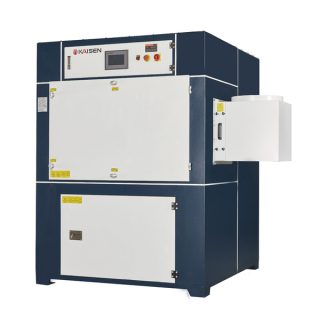
KSDC-8606B/B1 Centralized Dust Collector
Contact Us86 series central dust collectors are the second generation of Kaisen centralized dust collector, which is more versatile.
Reviews
There are no reviews yet.